

Mayor John Whitmire proposed a $7 billion budget Tuesday for fiscal year 2026, closing a projected $220 million deficit without implementing new fees or taxes for residents.
The proposal pulls $3.03 billion from Houston’s general fund, with roughly 58 percent of that going toward the police and fire departments, in line with an approved contract with the firefighters union and a proposed contract with the police union.
Whitmire’s team said it made cuts without sacrificing services for residents by consolidating teams, eliminating vacant positions throughout city departments and offering voluntary retirement buyouts to municipal employees.
More savings will come from efficiencies identified by accounting firm Ernst and Young and potential contributions from the state and county governments, Whitmire said.
EARLIER: More than 700 Houston employees have taken buyouts, freeing up millions to ease deficit
“I will also emphasize, we’re not through,” Whitmire said at a Tuesday news conference to unveil the spending plan. “We will be implementing the reorganization of this city government as we go forward. We’ll continue to collaborate with other levels of government, but we will also make certain that we listen to Houstonians.”
If approved as presented, the total budget would increase by $160 million compared to the current year, but general fund spending would go down $74.5 million. The unallocated fund balance remaining in the general fund, however, is projected to decrease by more than $100 million compared to the current budget.
City officials have projected a $220 million deficit for the fiscal year that begins July 1, due in part to storm debris cleanup costs and a $1.5 billion contract and backpay settlement with the Houston firefighters union. That shortfall briefly swelled to more than $300 million after the city lost a lawsuit over its drainage spending. The Whitmire administration since has worked out a settlement with the plaintiffs.
City Controller Chris Hollins must certify the city has enough money to fund the proposed budget before City Council can approve the plan prior to the July 1 start of the new fiscal year. Hollins issued a statement that his office will begin a “thorough review” of the proposed budget.
When the projected deficit reached $330 million late last year, Hollins said he would be unable to certify the budget without significant changes. He cautioned the mayor’s office after two of the country’s Big Three credit rating agencies dropped Houston’s credit rating outlook from “stable” to “negative.”
Whitmire acknowledged the agencies’ warnings in his budget overview, saying the administration would continue building on previous pension reforms and benefit packages.
The police budget, the largest single portion of general fund spending, would increase by more than $36 million to account for the proposed contract with the Houston Police Officers Union. If City Council approves the agreement, it will be the third labor contract negotiated by the Whitmire administration. All three proposed significant raises to the police, municipal and fire departments.
PUBLIC SAFETY SPENDING: Houston’s overtime spending expected to top the controller’s projections at $148 million
The newest proposal would increase police officer base pay by 10 percent next year and by 36.5 percent over the next five years.
Whitmire lauded the deal as a way to recruit and retain officers, which would help fill more than 1,000 vacant positions and cut down on police overtime. The administration projected police overtime will top $56 million this year, despite being budgeted for $13.7 million.
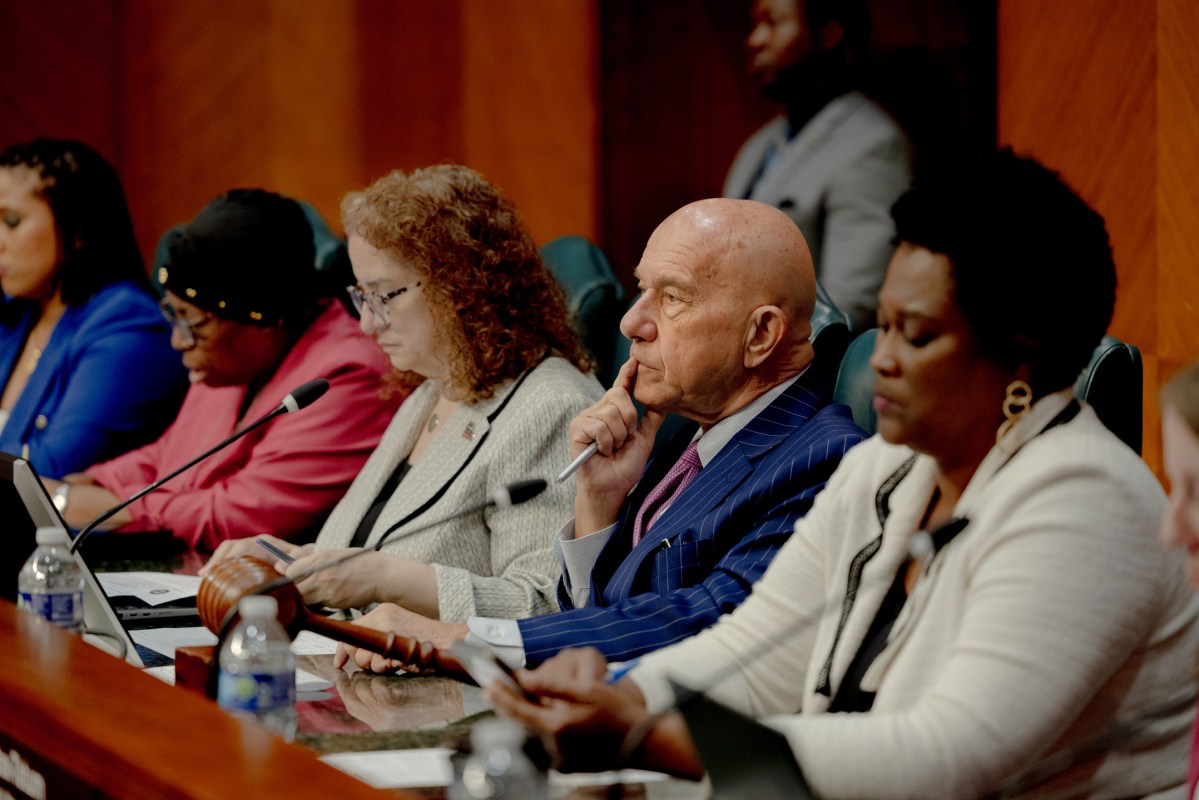
City Council will consider the contract in the coming weeks. At-Large Councilmember and Finance Committee Chair Sallie Alcorn said she generally was supportive of the proposed contract with the HPOU, but she also anticipated the city would eventually have to go to the voters for additional revenue to pay for the three contracts.
The city regularly bumps up against local and state mandated revenue caps, limiting the amount it can bring in from property taxes. The natural disasters last year made it possible for the city to increase the tax rate regardless of the revenue cap, but Whitmire rejected calls to increase revenue before implementing the recommendations from the Ernst and Young citywide efficiency study.
The voluntary retirement buyouts for municipal employees contributed the highest amount of savings to reduce the deficit, Whitmire said.
Whitmire Chief of Staff Chris Newport said the administration also found savings by eliminating vacant municipal positions, moving duplicative civilian departments in the police department within the city of Houston, combining 311 call centers and consolidating high-cost contracts.
City Council’s Finance Committee will meet Wednesday after the full council meeting to learn more about the proposed budget from the finance director. Elected officials will hold town hall meetings over the next month for residents to ask questions about the budget.
Whitmire’s budget will first appear on a City Council agenda May 28.

