

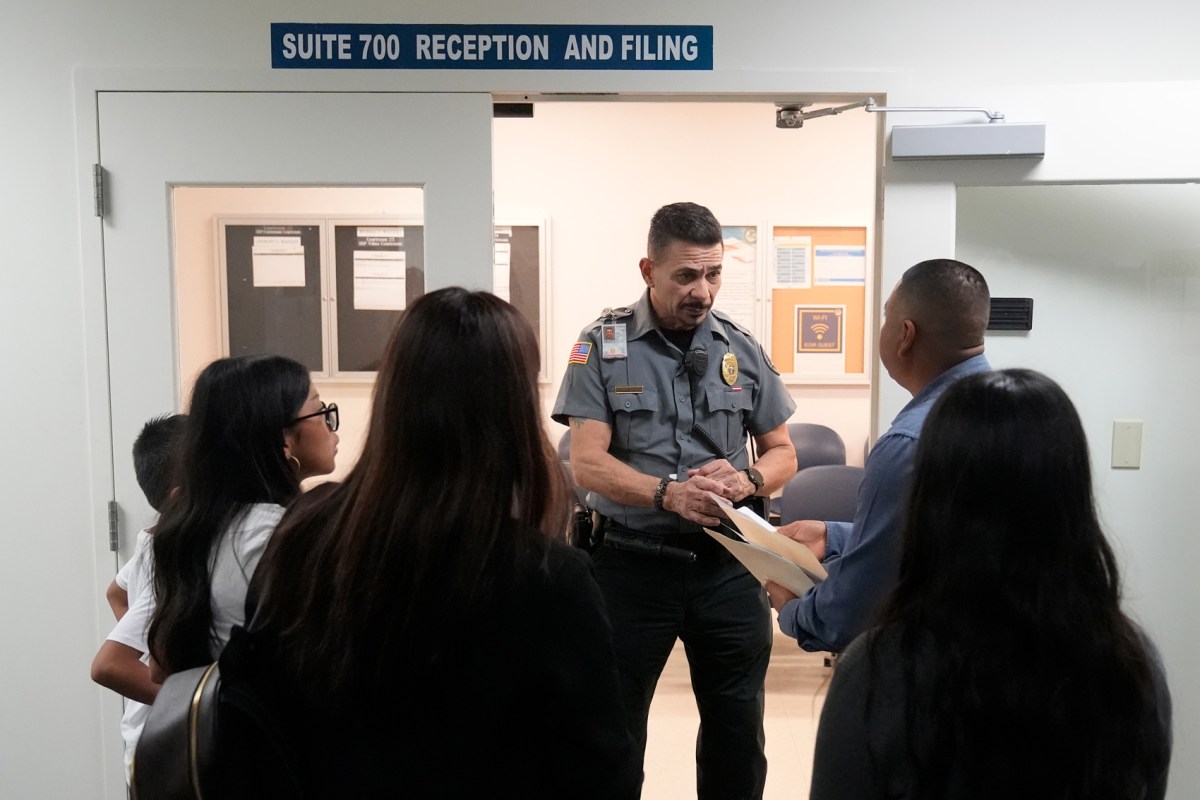
A program to legalize the immigration status of spouses of U.S. citizens remains in limbo after a judge extended a hold on the program until Sept. 23.
The Keeping Families Together program, as it is known colloquially, is expected to impact tens of thousands of Houston residents. Houston lawyers encourage eligible families to apply for the program as it makes its way through the courts.
The program was announced by President Joe Biden’s administration in June and began accepting applications on Aug. 19. A judge temporarily halted the program Aug. 26 days after Texas and 15 other states sued to block it, citing economic hardship. On Wednesday, the judge then extended the pause on the program until Sept. 23.
Families can still file applications while the court case continues. Applications will not be approved until a hold is lifted by a judge.
The program came after pressure from immigrant rights groups to expand legal pathways for long-term immigrants, a key Biden campaign promise.
Barring congressional action, Biden has used executive authority to provide access to legal pathways through humanitarian parole. But these efforts have been repeatedly challenged in the courts by Texas and other Republican states for overstepping executive authority.
The program removes current barriers to legalizing immigration status through marriage, which requires that some immigrants leave the country for their application to be processed. Some wait years outside the country awaiting a waiver approval. Some face a 10-year-ban on reentry when they leave.
Spouses must have resided in the U.S. for at least 10 years to be eligible for the new program. The benefits extend to undocumented children of parents who are married to a U.S. citizen.

“Pot of Gold”
In an immigration system bogged down by backlogs and years-long delays, the program streamlines the path to legalization.
Lawyers say the application process was moving swiftly in its first days.
FIEL Houston, a nonprofit organization that supports Houston’s immigrant communities, received 80 to 100 calls a day about the program when it was announced, legal services director Aura Espinosa said.
“They were relieved that they were not gonna go out [of the country] for the interview,” Espinosa said. “They were willing to do anything and go beyond to get those documents in.”
Ruby Powers, a Houston immigration lawyer, encouraged immigrants interested in the program to seek legal counsel and apply if eligible.
“This is an opportunity that is almost like a lottery or having a pot of gold sitting in front of you,” Powers said. “It doesn’t happen that often, and you have to seize the moment and take advantage of it.”
Anyone who thinks they might be eligible should still consult a lawyer to ensure its the best program for them and they don’t fall into any of the exceptions. To apply, people must undergo a background check. Having a criminal history could disqualify some people depending on the crime.
Gordon Quan, a Houston immigration lawyer, said his office immediately identified at least 60 clients eligible for the program.
The program will benefit clients who may have faced a longer road to legalizing their status. Contrary to legal arguments from the state, it will also benefit the city and state economically, he said.
“This will allow people to finally get work permits, to come out of the woodwork, to be able to work legally, stabilize their life and pay taxes,” Quan said.
Quan has notified his clients about the lawsuit, and said most continue to opt in to applying.
Lawyers said some clients hesitated to share their information with the government, especially with the possibility of a second Donald Trump presidency looming. But for many, the benefit can outweigh these doubts.
“It’s either you do it or you don’t benefit from the program,” said Vanessa Ruiz, a lawyer in Dallas for the De Castroverde law firm, which represents clients in Texas and Nevada.
The initial excitement about the program has morphed into skepticism, Espinosa of FIEL said. Recently, more families have canceled their appointments to apply for the program.
Even though the future of the program remains uncertain, Espinosa stressed that the window to apply may be short.
“Whoever still wants to put in their application, don’t waste time,” Espinosa said.


