

CONROE — Kurt Remington remembers the anxiety of navigating the foster care system all too well.
He remembers the quiet moments of doubt that lingered as he and his wife Brittany struggled to adopt their two daughters, Kinley, 9, and Sawyer, 7.
The couple always wanted to adopt, and Brittany knew, as a children’s case worker for Montgomery County nonprofit Arrow Child and Family Ministry, their best bet would be to become foster parents. But they had no idea how draining the process would be.
Kurt and Brittany discovered each of their children came with a court appointed special advocate (CASA), a trained volunteer who is assigned to cases in the child welfare system that mostly involve abused or neglected children.
CASA is a national organization with state and county affiliates, but each local chapter is run independently. The Remingtons’ eldest daughter, Kinley, who was originally from Harris County, was placed with a CASA worker who did little to help the couple navigate the complexities of their daughter’s cases, familial traumas or court proceedings, they said.
“As a foster parent, you have very little legal standing,” Brittany said. “And we had a negative experience with CASA at first. Kinley’s advocate would come in, sit on the couch and stare.”
Their second daughter, Sawyer, had an advocate who was far more engaged and helpful. It left an impression on Kurt.
“When we adopted Sawyer, it put a bug in me,” Kurt said. “The system, no matter how flawed it is, gave me two beautiful children, and I wanted to pay it forward.”
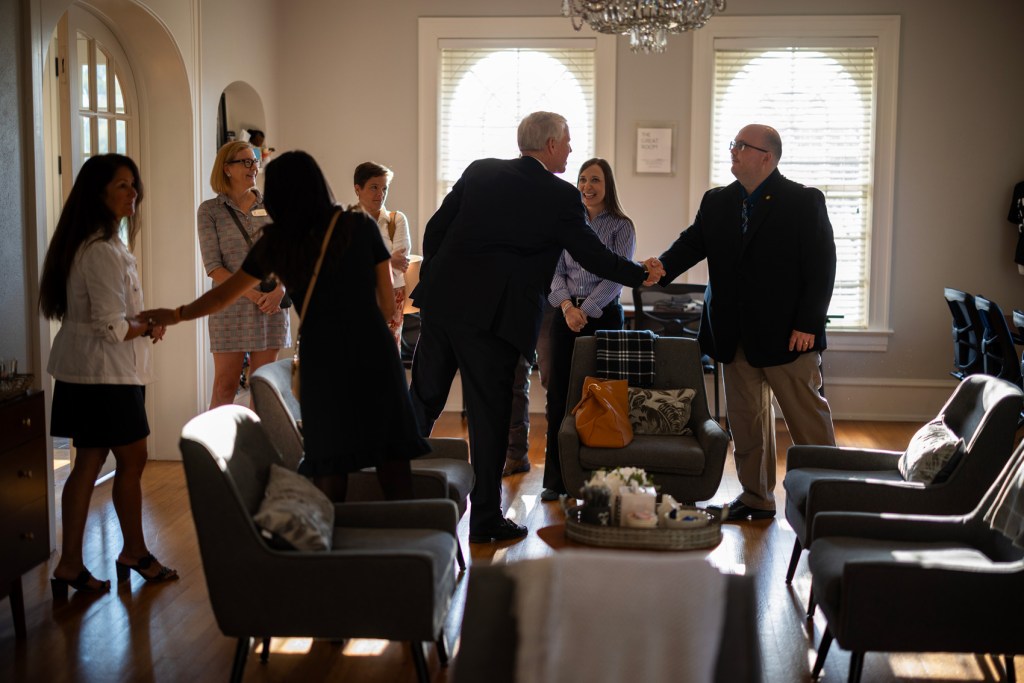
Kurt Remington meets with CASA staff and other soon to be advocates before being sworn in on Sept. 8 in Conroe. (Antranik Tavitian/ Houston Landing) 
Kurt Remington, along with a cohort of soon to be advocates, walk to the Montgomery County courthouse to be sworn in as CASA advocates in Conroe. (Antranik Tavitian/ Houston Landing) 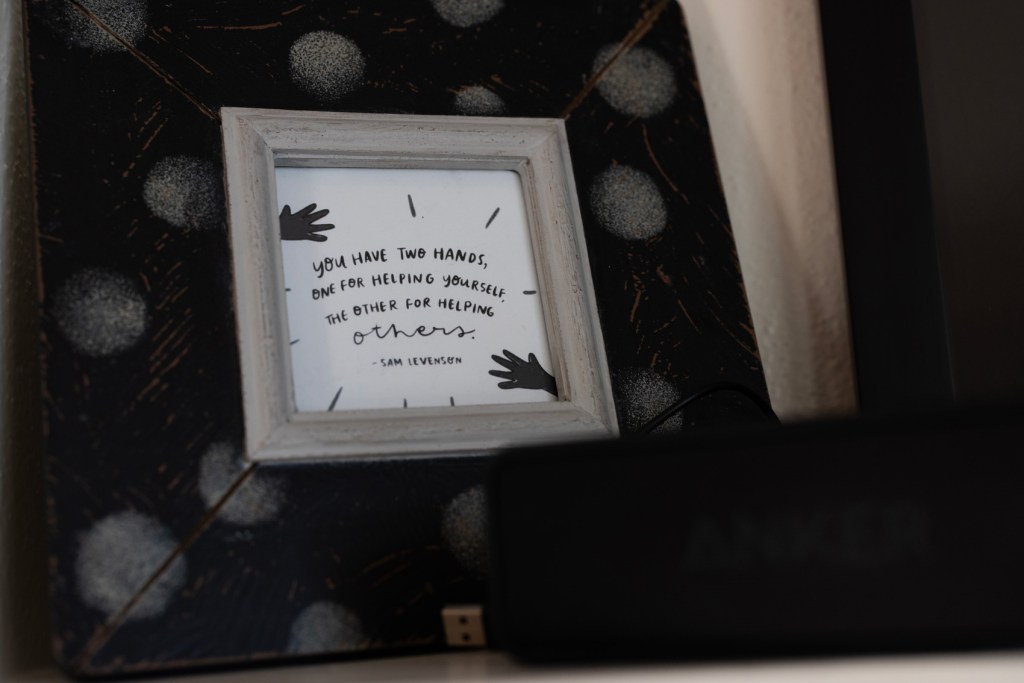
A framed quote reading “You have two hands, one for helping yourself. The other for helping others” at CASA Child Advocates of Montgomery County in Conroe. (Antranik Tavitian/ Houston Landing) 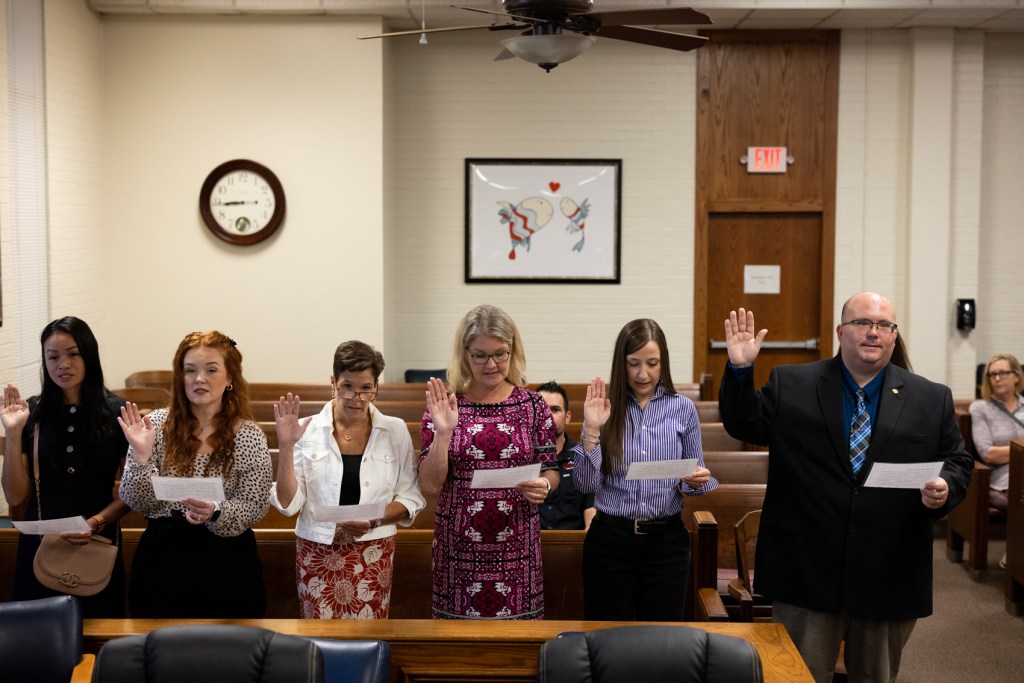
Kurt Remington, at right, along with his cohort, are sworn in as a CASA advocates by Judge Amy Tucker in Conroe. (Antranik Tavitian/ Houston Landing) 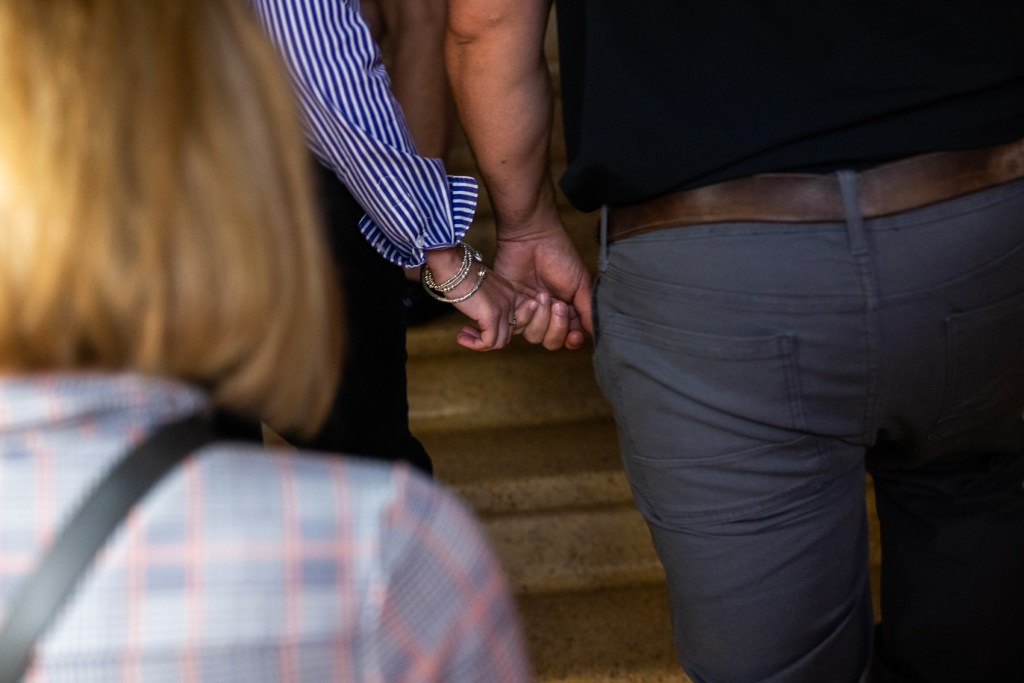
Michelle and Ryan Bayne hold hands after Michelle was sworn in as a CASA advocate. (Antranik Tavitian/ Houston Landing) 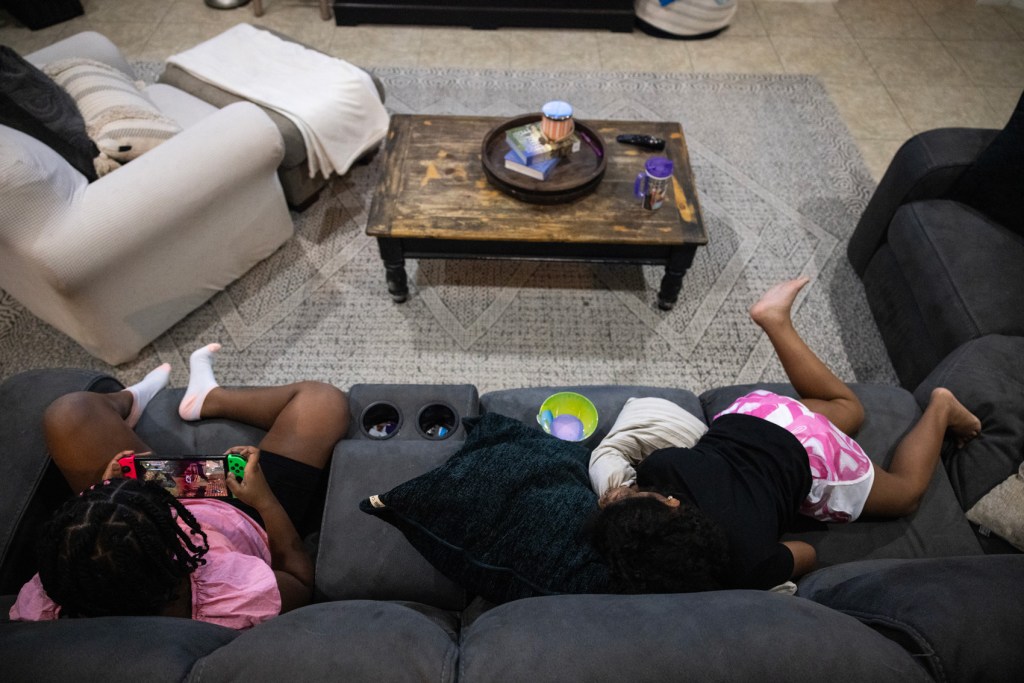
Kurt and Brittany Remington’s children play video games and watch TV at their home in Magnolia. (Antranik Tavitian/ Houston Landing) 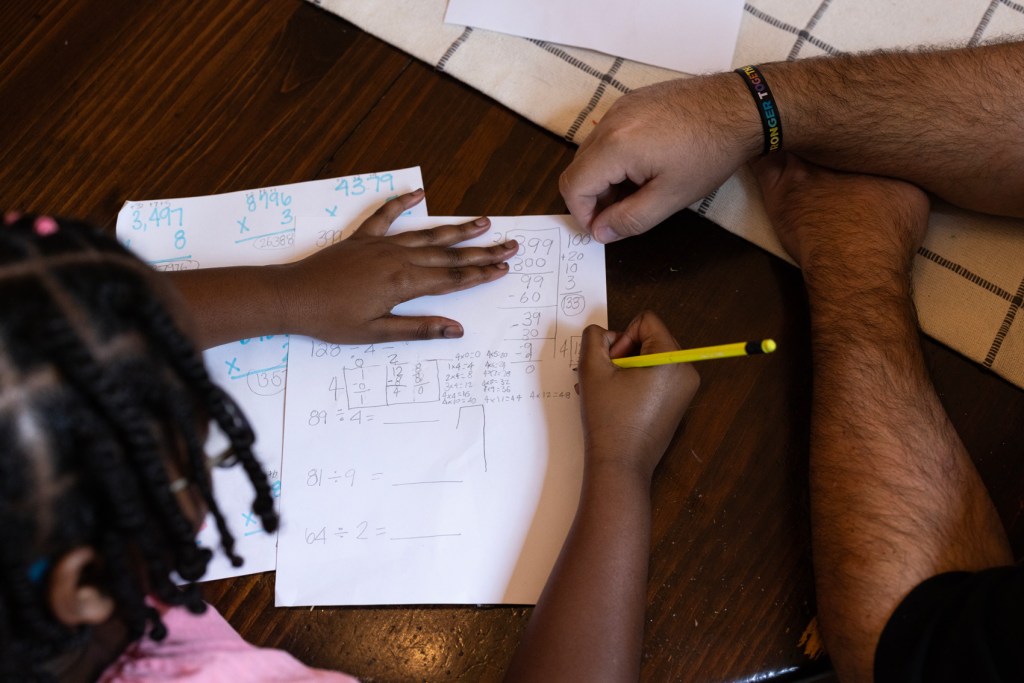
Kurt Remington, at right, helps his daughter with her math homework at their home in Magnolia. (Antranik Tavitian/ Houston Landing) 
Brittany Remington plays with her daughter in her room in Magnolia. (Antranik Tavitian/ Houston Landing)
The 41-year-old was diagnosed with rectal cancer in March 2022, and had taken to yoga to help with his recovery process. One day, he saw a sign at the gym looking for anyone interested in volunteering with CASA Child Advocates of Montgomery County, the county’s local chapter.
“When you get confronted with your own mortality, you think, what have I done with my life?” he recalled asking himself.
Kurt’s answer?
Become a CASA advocate.
What makes Montgomery County different?
Eight volunteers started Montgomery County’s local CASA chapter 31 years ago.
Ann Marie Ronsman, now president of Montgomery County’s CASA nonprofit, helped the program expand to about 200 active volunteers and 24 full-time employees serving over 450 children and families in crisis. More significantly, in 2016, the organization began training their volunteers using an attachment based, trauma-informed program called TBRI, or trust-based relational intervention — a process developed by the Karyn Purvis Institute of Child Development at Texas Christian University.
“TBRI sets kids up for success and creates an environment, so that it serves the child,” she said.
Ronsman explained this can be as simple as making sure a child has a snack and a drink every two hours to balance out their blood sugar and hydration. This is important, she said, because if a child has ever gone without food their body becomes conditioned to enter fight or flight mode whenever they’re hungry and often they will exhibit fear-based behaviors as a result.
“That’s why it doesn’t work when uninformed teachers or guardians take snacks away as a punishment,” Ronsman said.
People interested in becoming an advocate are required to undergo 35 hours of initial training (about 15 hours in-person at class and 20 hours independently online) plus three hours of courtroom observation. Afterwards, advocates are sworn in Montgomery County’s Child Protection Court by Judge Amy Tucker.
An advocate’s goal is to provide vulnerable children a safe, stable presence that will help them find a loving and permanent home as soon as possible, Ronsman explained. Cases usually last anywhere from 12 to 18 months.
Kurt Remington completed his training in August, was sworn into court in September and picked up his first case shortly thereafter.
“I don’t want to come off as a suit,” Remington stressed, remembering his own daughters’ experiences. “I don’t want to be another random person showing up in this revolving door of CPS caseworkers, therapists, etc.”
Over the past few months, it’s been exciting for him to connect with this child from his first case and approach the foster care system from a different perspective, but he isn’t able to share any more details about the status of the child’s case.
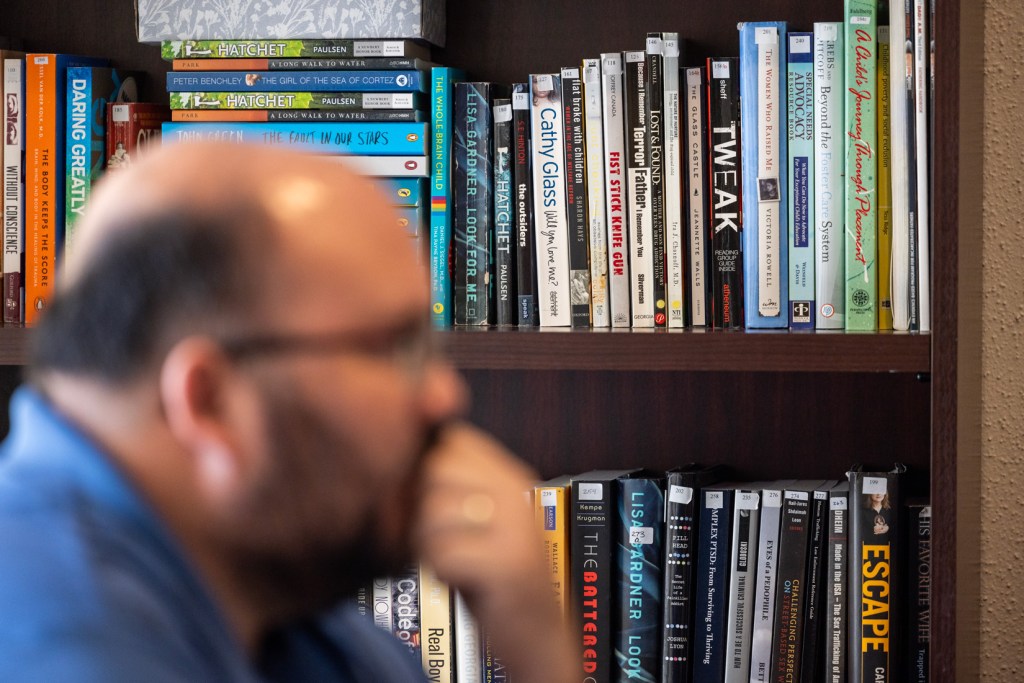
“Advocates are designed to be a sponge,” Remington said. “You absorb everything but don’t disclose anything. You can’t break confidentiality.”
That said, the experience has been more rewarding than he realized it could be back when he was fostering Kinley and Sawyer.
Foster parents, Remington added, are essentially glorified babysitters.
“CASA allows you to help in a more meaningful way than a foster parent,” he said.
Trials and triumphs of being an advocate
When COVID-19 hit, Lindsay Miller, a five-year CASA veteran, was assigned a case involving sisters Bekah Honey Fowler, 17, and Rachel Elizabeth Gautro, 14.
At the time, Miller explained, the pandemic had changed advocacy guidelines, and Montgomery County encouraged volunteers to meet with the children assigned to their case remotely.
“I thought there’s no way I’m going to meet these girls for the first time over a Zoom, and be able to connect with them,” Miller said. “So I kind of bucked the system a little bit, but we stayed outside of the house … and I brought tie-dye kits and T-shirts with me.”
The girls and Miller sat outside on the driveway of their foster care placement in Spring and started talking about their lives and family.
Bekah and Rachel shared with Miller that their mom constantly moved them and their brother across the country. They lived in and out of hotels, and Bekah, always the protective older sister, would bring home food from school to share with her siblings while trying to shield them from their mother’s addiction.
At the time Miller had no idea their case would go on for three and a half years.
But in between shifting caseworkers, therapists and specialists, it was Miller’s job to hold the case’s collective memory as the girls went through eight temporary placements and two foster care placements.
“The biggest thing for me was just staying together,” Bekah said. “If we can’t be together in this placement, then we can’t go to that placement.”
“And obviously we’d rather be with family than anyone else,” the older sister added.
But that search proved difficult.

By November 2022, the girls had moved around without much luck in finding a permanent home or a family willing to adopt them. In addition to being an advocate, Miller was also a development director for CASA in Montgomery County and decided she could use a bit more help.
In came Paolina Fasula, another advocate, who was familiar with Bekah and Rachel because they stayed at the same foster home that another one of Fasula’s kids was placed at.
The two advocates put their heads together and tried a last-ditch effort to bring the girls to the county adoption fair, where two families — one from Fort Worth and Corpus Christi — expressed interest in adopting the sisters.
Then it fell through.
“Those were pretty dark days,” Fasula said.
One day, Fasula was visiting with Bekah and Rachel.
Over Panda Express take-out, the girls began showing Fasula pictures of their extended family because their second-cousin, Melissa Herron, reached out and suggested that her mom, the girls’ great-aunt, might be able to adopt them.
After visiting with the girls, Fasula stopped at Home Depot and called her CASA supervisor to share that she thought Bekah and Rachel ought to be placed with a family member.
Meanwhile, Miller, who was already on the phone with that same coworker, had come to the same conclusion.
“It was this very bizarre moment where we both said: We need to go back to the family,” Miller said.
Suddenly, the wheels were in motion.
After adoption
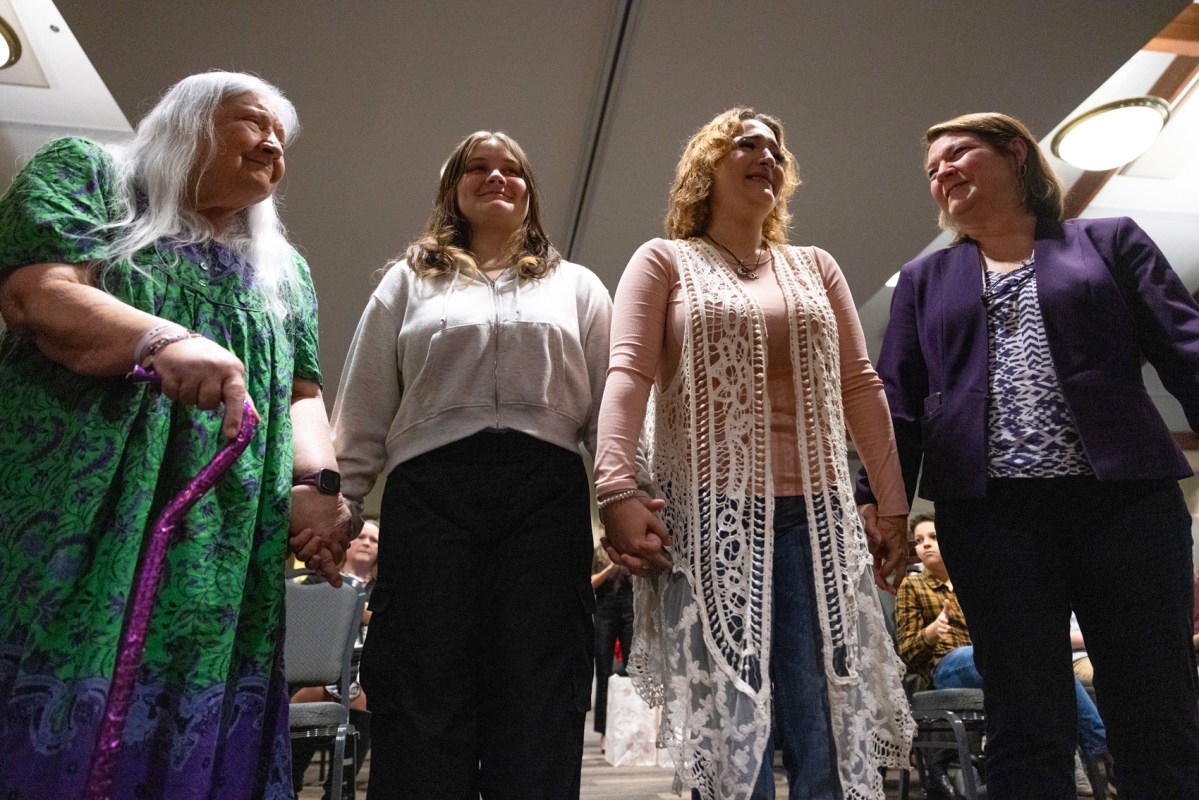
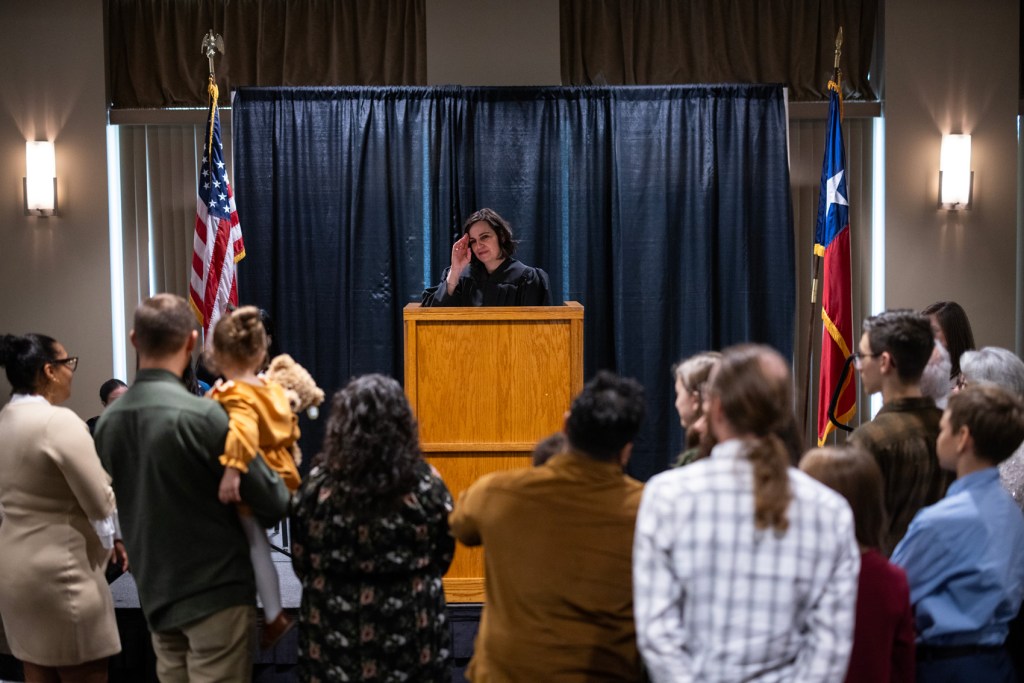
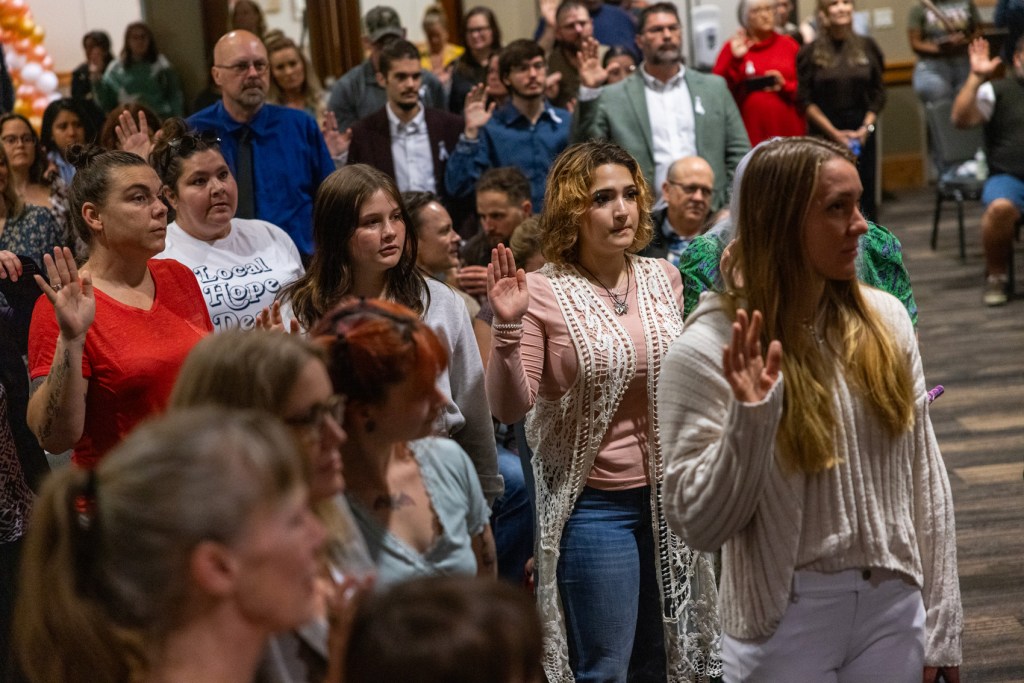
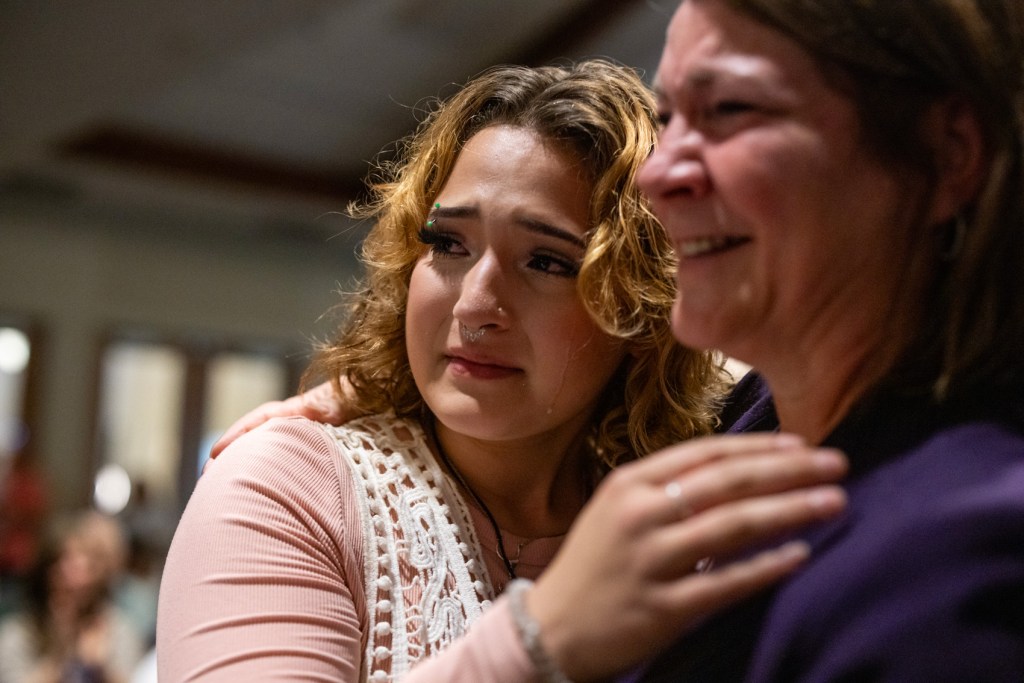
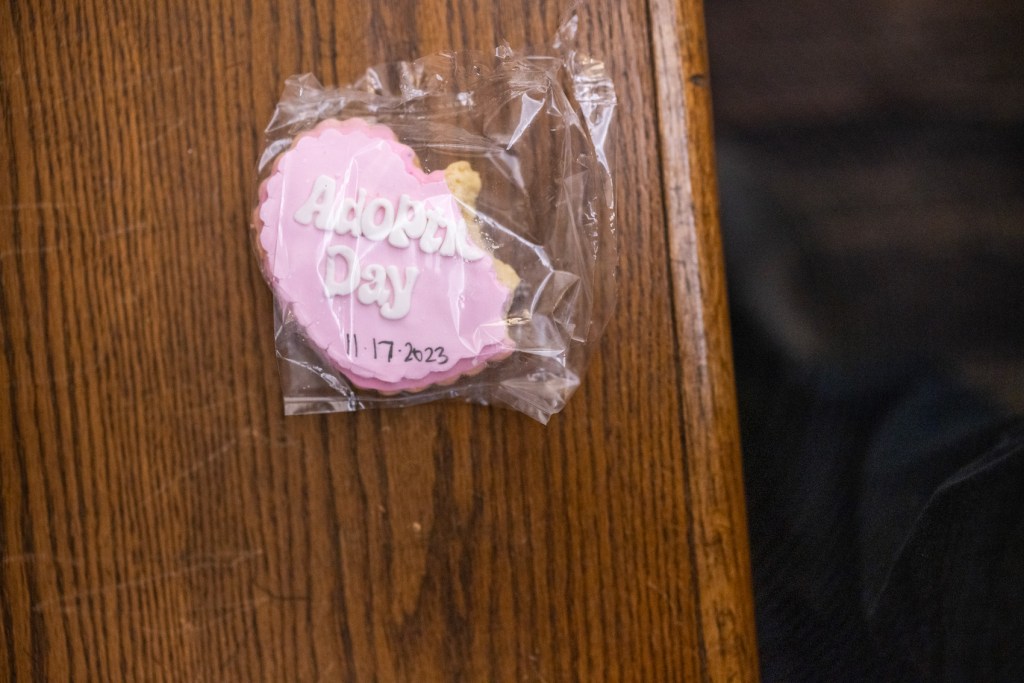
On Nov. 17, 2023, after years of uncertainty, Bekah and Rachel stood hand in hand with Herron, Fasula, their grandmother Tanya Fowler, great-grandmother Sheila and their soon-to-be guardian, their great-aunt Cindy Seale.
Seale, dressed in a sharp purple blazer, nervously passed around mint-flavored TicTacs to her family as Judge Amy Tucker called them to attention on National Adoption Day.
The judge smiled as she watched Bekah wipe away tears in between smiles.
“I was worried about y’all,” Tucker said. “I really wanted a change for you guys. You have such a light in your eyes, and it’s my great honor to be here today.”
A few days before Thanksgiving, after the papers were signed and Seale officially became Bekah and Rachel’s legal guardian, she paused to reflect on the last few months.
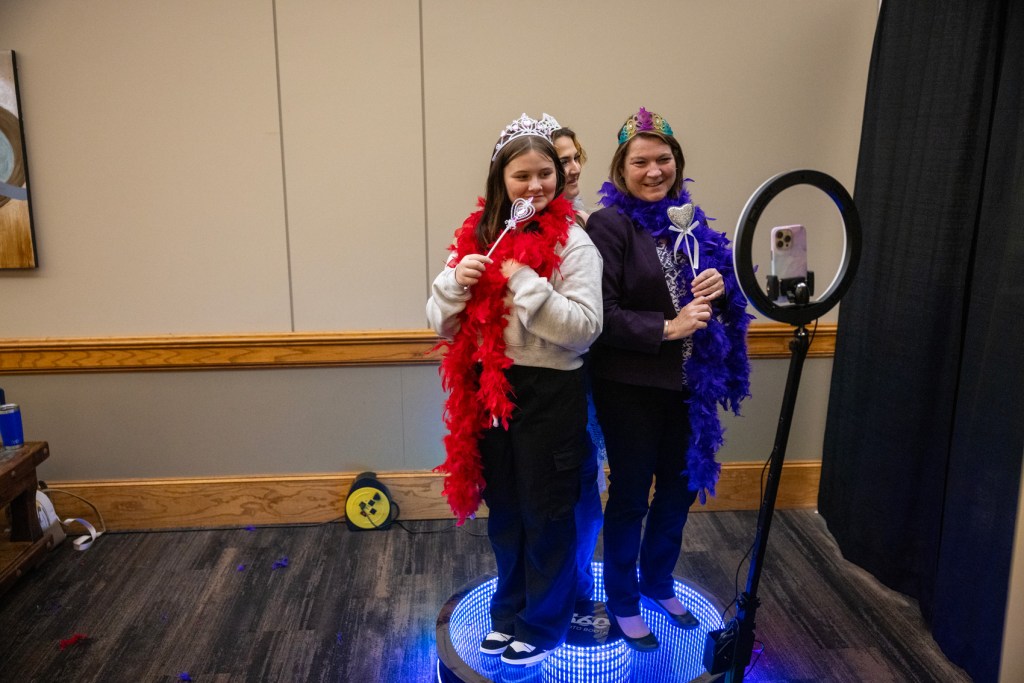
Rachel Elizabeth Gautro, 14, Bekah Honey Fowler, 17, and their newly adoptive mother Cindy Seale pose for a 360 selfie during a National Adoption Day event in Conroe. (Antranik Tavitian / Houston Landing) 
Rachel Elizabeth Gautro, 14, at right, hugs her former CASA advocate Paolina Fasula, at her home in Magnolia. (Antranik Tavitian / Houston Landing) 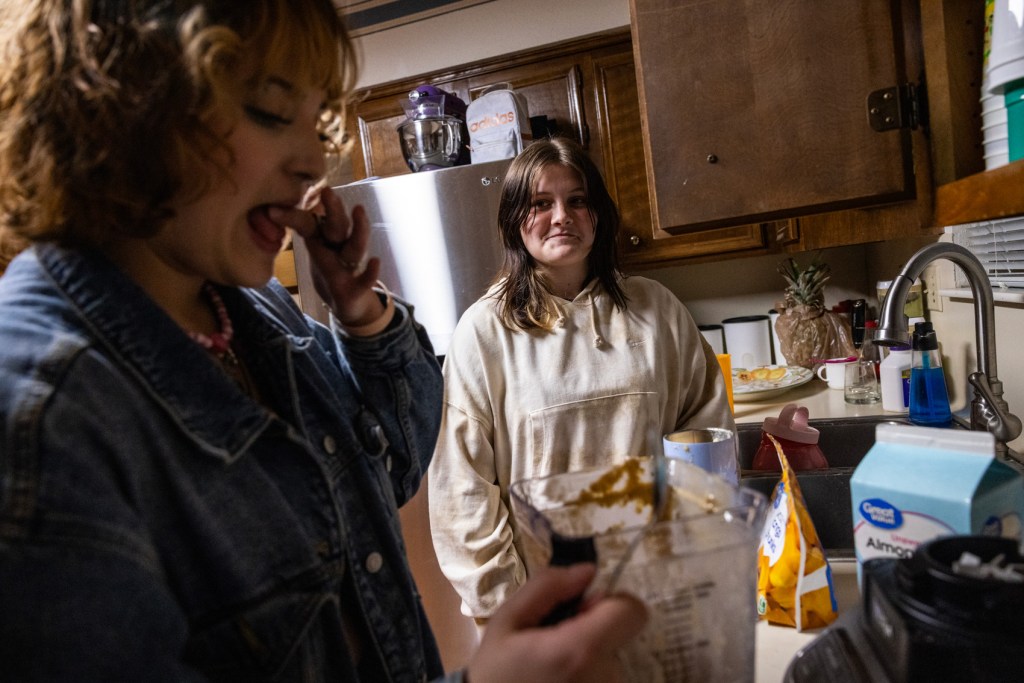
Bekah Honey Fowler, 17, at left, tastes her protein smoothie as her younger sister Rachel Elizabeth Gautro, 14, watches. (Antranik Tavitian / Houston Landing) 
Bekah Honey Fowler, 17, at right, practices an arm bar hold on Tim McKinney at Carlson Gracie Jiu Jitsu Magnolia. (Antranik Tavitian / Houston Landing) 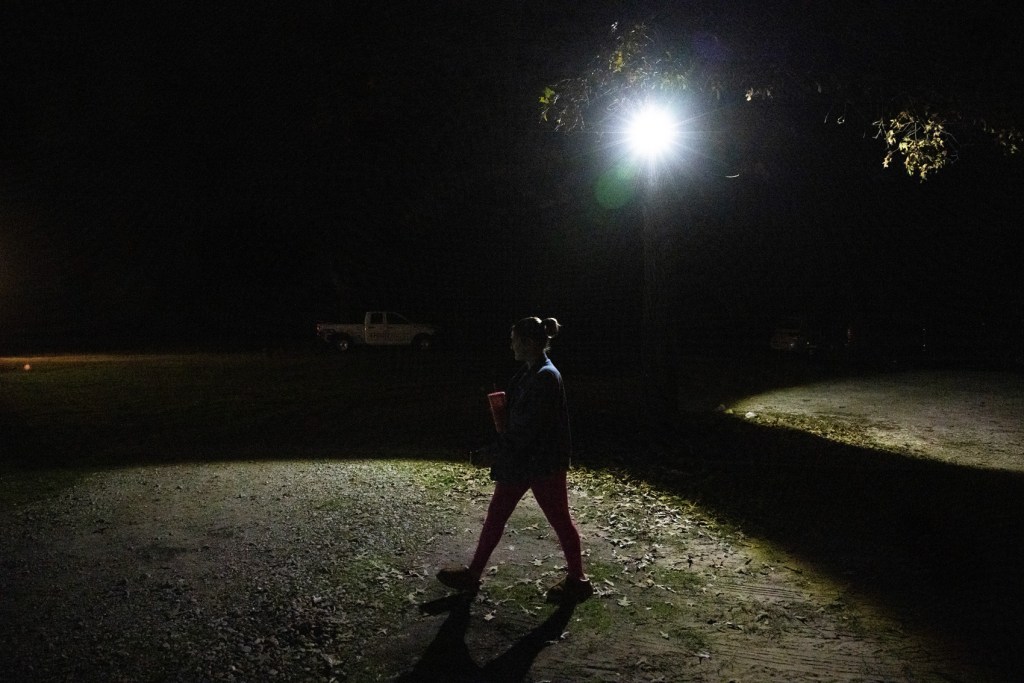
Bekah Honey Fowler, 17, walks to her jiu jitsu class in Magnolia. (Antranik Tavitian / Houston Landing)
“We wouldn’t be here without CASA,” Seale said, referring to Bekah and Rachel’s advocates.
“I mean literally, here,” she added, pointing to Bekah practicing jiu jitsui.
The sport has been an escape for the 17-year-old. Every Tuesday evening at 6:30 p.m. Bekah practices with several other teenagers and young adults, mostly boys, at a home gym in Magnolia run by former professional athlete John Davis.
Meanwhile, at Seale’s house down the road, Rachel and Fasula are in the kitchen walking through the 14-year-old’s latest assignments at school and how to enroll her in driver’s education classes.
“It’s the small things, placement and everything in between,” Fasula said. “We want kids not just to feel like we’re just checking in.”
That’s because Miller and Fasula have built a bond between Bekah and Rachel for life. Their advocacy is never truly over, not even after the adoption papers have been signed.
An earlier version of this article incorrectly stated that CASA Child Advocates of Montogmery County’s president Ann Marie Ronsman started the program. The Montgomery County chapter was established by eight local volunteers in 1992.


