

Recently you wrote about the reunification of a Venezuelan family at the Texas-Mexico border. How did you meet the family and get the access to tell the story?
I first met Jose in July at a protest for the Venezuelan elections. I was doing what journalists call “vox pop” or “man on the street” interviews, basically just going up to people and seeing if they would be willing to share their thoughts for a news article. I approached Jose and he was chatty right off the bat. He told me that his wife, Yasmin, and kids, Fabian and Julia, were on their way to meet him and had just gotten to Mexico. We talked for about 20 minutes and I asked for his number to keep in touch and see how his family was doing.
From there, I would text him every few weeks to check in on him and his family. Usually, there wasn’t a big update. They were still in Mexico asking for an appointment to enter the U.S. through an app known as CBP One. Finally, when I texted him in early November, he shared some good news. Yasmin, Fabian and Julia finally got an appointment and would be entering the U.S. just days after the election.
I then proposed an idea to Jose: Could I document their journey for the Houston Landing along with a photographer? I explained that we wanted to show all that families endure to make it to the U.S. He needed to discuss it with Yasmin first, but he was receptive to the idea. Once Yasmin agreed, we began planning the trip.
How do you help people feel comfortable talking to you when talking to you could expose them to harm later? What do you tell Jose to help him make these decisions?
I have multiple conversations with sources about their safety, and always make sure to tell them up front that their safety is my priority. In the case of Jose, I made clear when proposing the idea of following his family that everyone’s safety was of the utmost importance. As we started discussing what an in-depth feature of his family would look like, I let him know what I had in mind, but also made sure he knew that it was a two-way conversation where he could voice any concerns. For example, I suggested that photojournalist Lexi Parra and I could wait for Yasmin and the kids at the Reynosa airport when they arrived, but Jose thought it would make them a target for kidnappers, so we didn’t end up going. Every part of the process was discussed with Jose to make sure that he felt comfortable with the level of access he was granting.
In terms of the immigration consequences for people here in the U.S., everyone’s situation is different. Jose and his family received a status known as parole that grants them the right to be in the U.S. temporarily. Once they file their asylum case, they will also have deportation protections while the case is ongoing. While the current political conversation might lead people to believe that people are entering the country unannounced, that is often not the case. The U.S. government already knows that Jose and his family are in the U.S. and has their personal information including their address. Everyone’s immigration status is different, so they have to decide on what they’re comfortable with based on their situation.
There is always some risk involved in putting yourself in the spotlight, but I do believe that it can be an empowering experience, which is why I continue to do this work. In the case of Jose, he agreed to be interviewed because he thought it was important that his story be known. He is just one of millions of Venezuelans who have fled their country in recent years, and President Donal Trump often called them criminals on the campaign trail. Jose wanted to share his story to show what he believes is the true face of Venezuelan migration: his family’s struggles to have a better life.
related
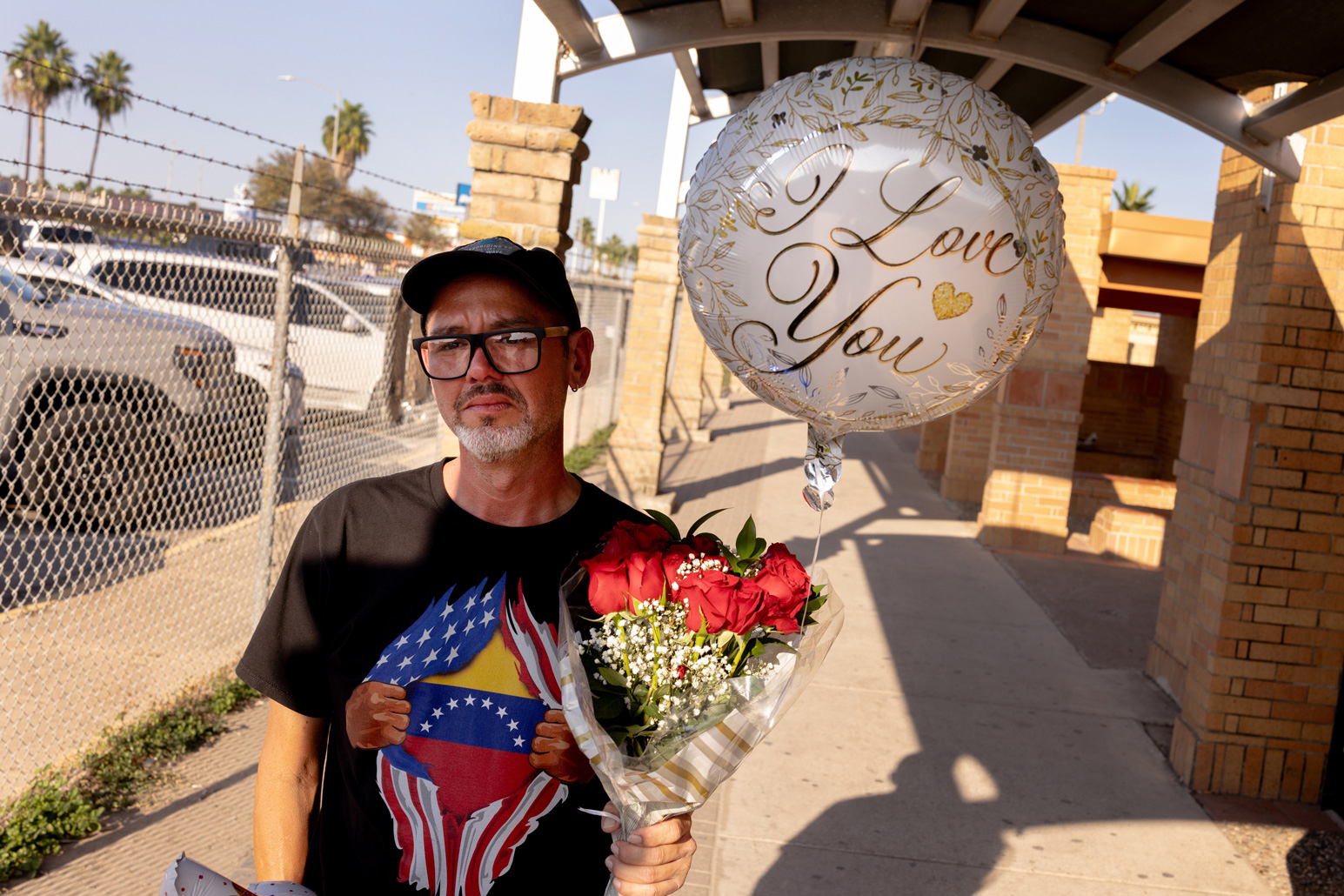
Behind the journey: A Venezuelan family braves jungle, cartels to be reunited in the U.S.
by Anna-Catherine Brigida / Staff Writer
I always want to make sure that my sources understand the risks they are taking, but ultimately defer to them to make the decision for themselves. I don’t make any promises to my sources about things I can do for them or how I can protect them. The only thing I promise them is that I will tell their story, and fortunately, many of them decide that this is enough.
How do you prepare for these interviews? What best practices do you lean on?
A lot of the background needed to prepare for these interviews, I’ve been doing over the course of my career for nearly a decade. I worked as a reporter in Central America for seven years, in Guatemala, Honduras and El Salvador, so I know the political situations of these countries well and continue to follow news there. I’ve never worked in Venezuela, but I’ve followed the situation there for years since its political and humanitarian crisis has had widespread impacts across the region. Immigration law is also notoriously wonky, so I’m constantly speaking to immigration lawyers and advocates about the system, how it’s changing and what it means for immigrants. I follow tons of journalists and newsletters on immigration. Basically, I’m constantly reading and staying up to date on both immigration policy and current events throughout Latin America where many migrants are fleeing.
Why do you care about immigration as an issue and a coverage area?
Growing up in Boston, most of my friends and classmates were immigrants or children of immigrants from all over: Haiti, Cape Verde, Vietnam, Colombia, El Salvador, Nicaragua, Poland, Albania, and more. It was just normal to me that immigrants are part of my community.
It wasn’t until I got to college at USC Annenberg in Los Angeles that I began focusing my reporting on immigration. I spent a semester abroad in Buenos Aires, Argentina and worked on my Spanish language skills. When I got back to LA, the number of families and minors from Central America was increasing, and many were making LA their home. So I worked on a project documenting one family from Honduras and their journey to the U.S. I wanted to better understand why people were fleeing, so I moved to Guatemala after graduation. What I thought would be a few months turned into seven years of reporting across the region. There was always another story to tell, and even after seven years, I felt like I had just scratched the surface. I covered migrant caravans, family separation, the impact of gang violence, multiple elections, climate change migration, resource conflicts, and so much more. When I got the job offer at the Houston Landing, I was excited to continue covering immigration from a city where immigrants have so clearly left their mark.

