

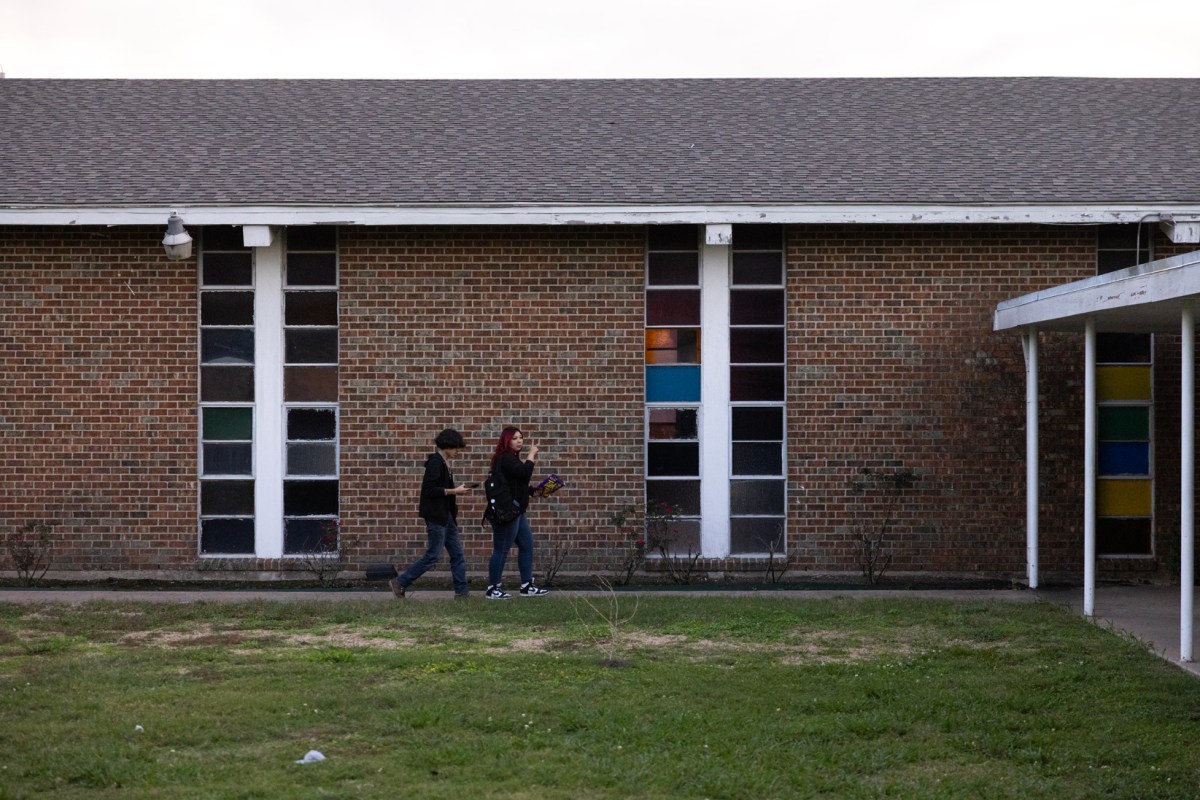
Houston ISD’s new “Sunrise Center” in Gulfton, one of the city’s lowest-income neighborhoods and a hub for new immigrants, is open for business, ready to provide families with free school uniforms, food, hygiene products and more.
Yet, in the first half of the school year, only a few families trickled into the center for help on a typical school day.
The same was true at three other Sunrise Centers — located near William P. Hobby Airport, north of downtown Houston and on the district’s south side — that also saw only a handful of visitors drop by on an average day.
Nearly a year after HISD rearranged its system for helping vulnerable students, cutting over 200 on-campus support staff and rolling out seven off-site Sunrise Center resource hubs, new data indicate district staff have produced mixed results bringing families into the facilities.
Over the first semester of the 2024-25 school year, four of the seven Sunrise Centers recorded an average of about three to seven visitors each per day, or 270 to 670 total sign-ins through the fall, according to a mid-year report HISD provided to the Houston Landing.
The three other centers recorded far higher levels, with 1,950 to 2,740 total sign-ins each over the same time span, as visitors sought help with everyday needs.
The report highlights the relatively disappointing return on investment in the four lesser-used centers, part of the roughly $7 million Sunrise Center initiative rolled out by state-appointed HISD Superintendent Mike Miles’ administration in the fall of 2023.
“I don’t think that we have hit our full stride at all of the centers,” said Najah Callander, who oversees the Sunrise Centers as HISD’s deputy chief of family community partnerships. “We would love to see the numbers grow, and we’re doing a lot of work to meaningfully connect with our community to see the numbers grow.”
HISD serves roughly 180,000 students, tens of thousands of whom come to school every day carrying the weight of hunger, homelessness, immigration concerns for family members and other challenges. When left unaddressed, those difficulties can interfere with students’ ability to learn.
Callander said HISD still has work to do informing certain communities that the Sunrise Centers are open and available. Several operate in spaces also used for other community-serving organizations, like a women’s shelter or YMCA. In some cases, families still associate the spaces with their partner organizations’ missions — for example, thinking only women eligible for the shelter are welcome — and may not realize that all HISD families can access help.
Despite sending mailers and hosting open houses, it has taken time to get the word out, Callander said.
Sharon Williams, who has a grandson in first grade at Codwell Elementary School, said she didn’t think she had received any information about the Sunrise Center a mile down the road from campus, even though one of her grandchildren regularly visits the Boys and Girls Club where it’s located.
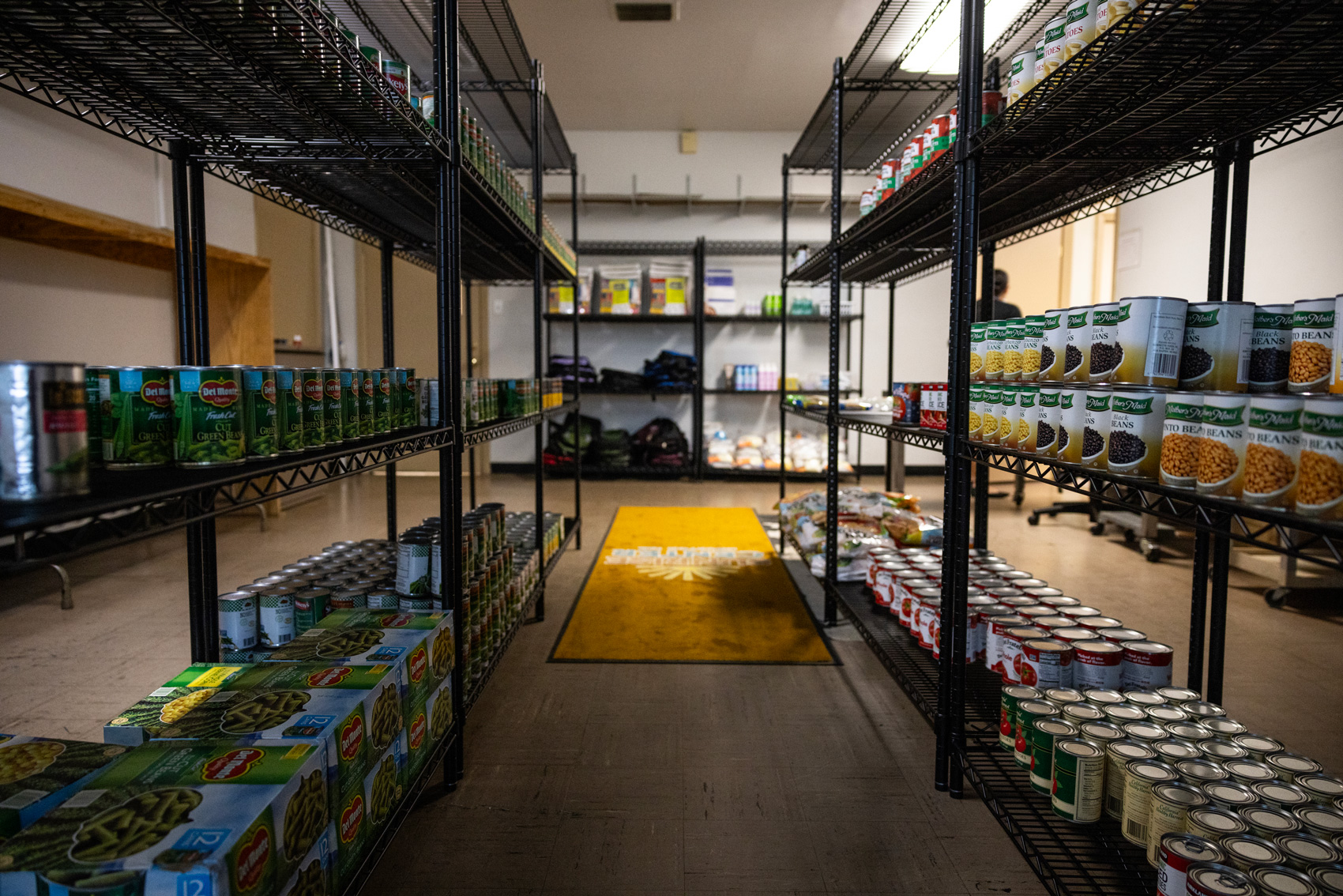
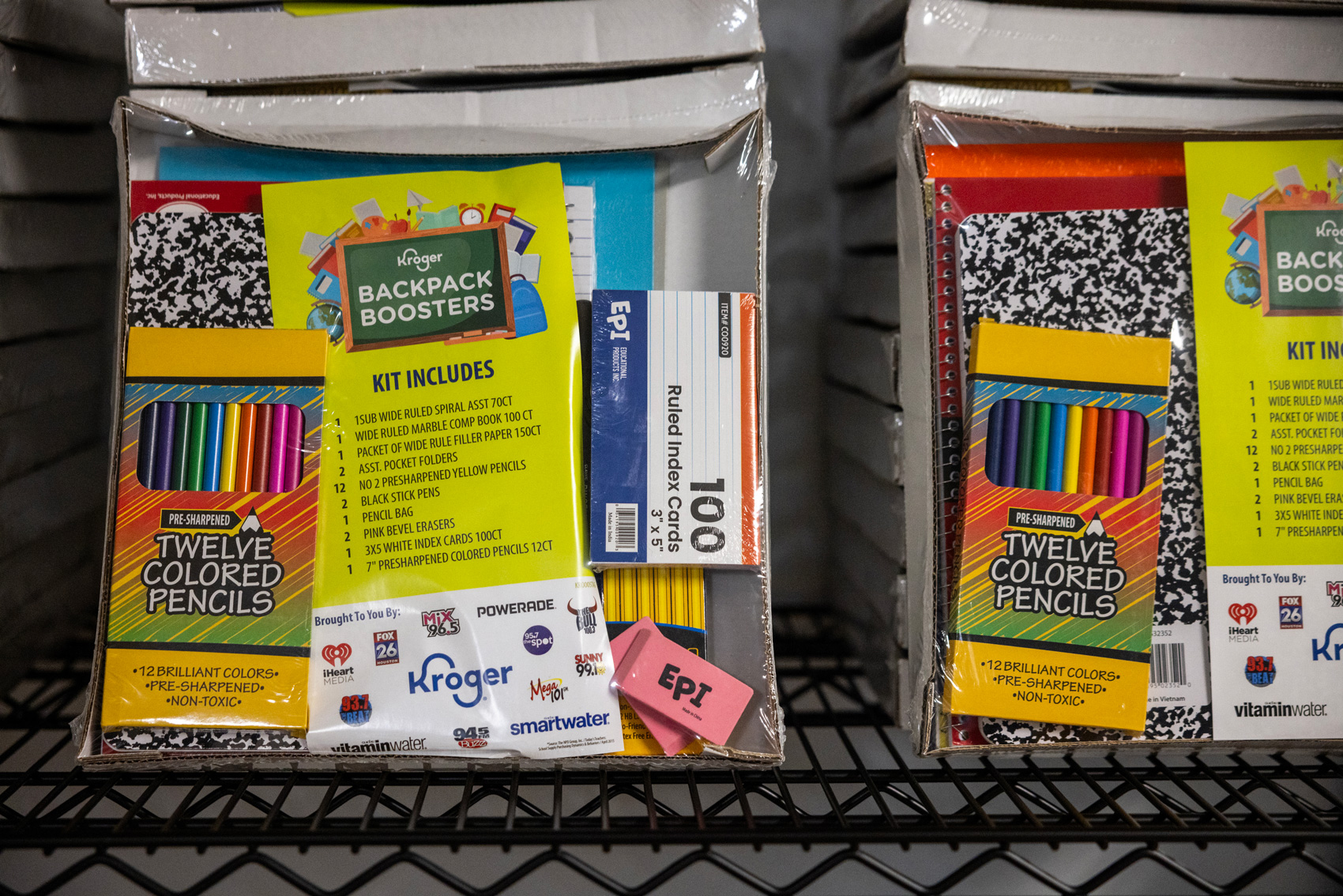
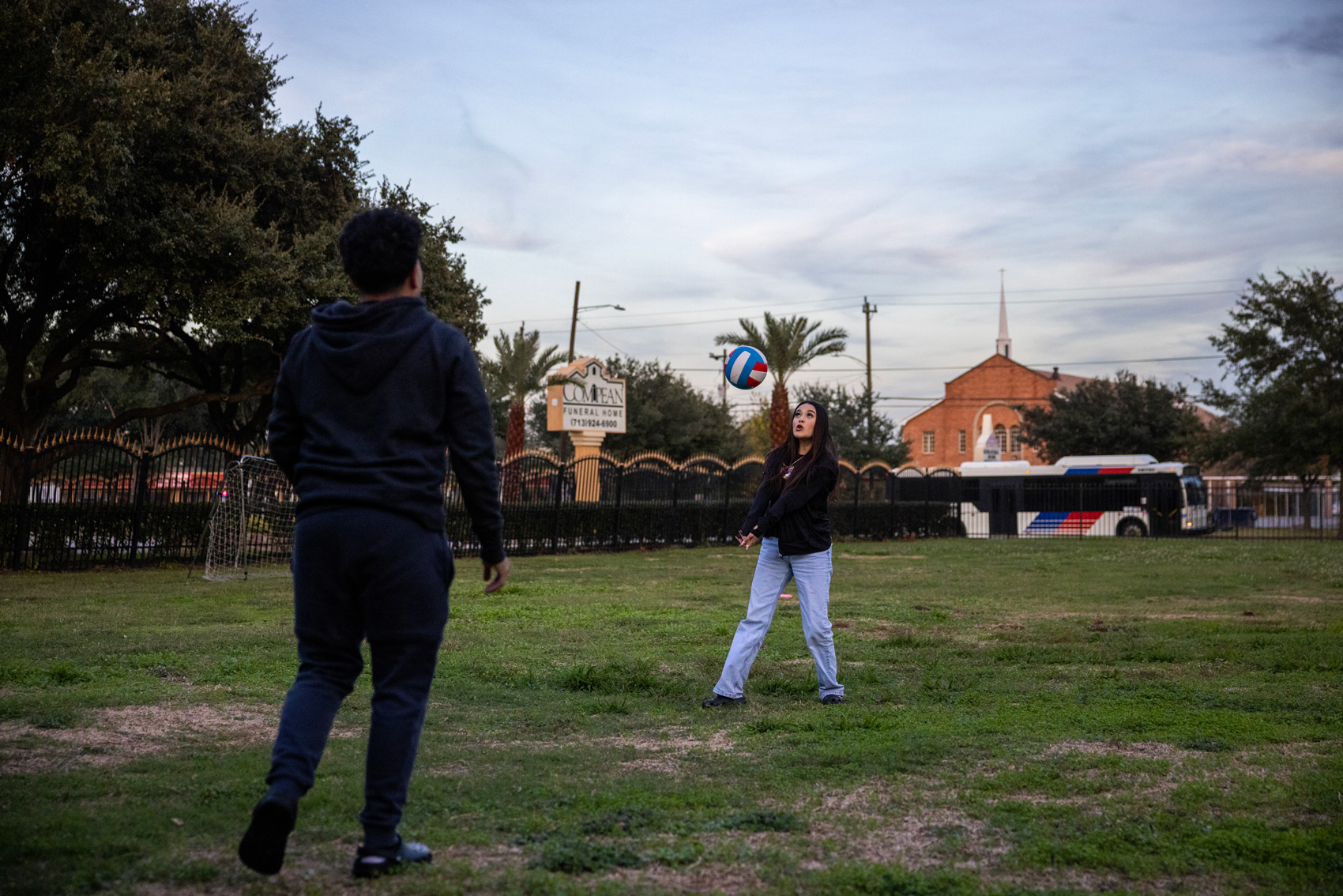
“They don’t tell us about too much over here, you’ve got to find out,” Williams said.
Mixed rollout
HISD opened the seven current Sunrise Centers in the fall of 2023, selecting locations across the city that placed most district families within a 10-minute drive of at least one center. Initially, Miles described the centers as a complement to a signature program known as wraparound, which placed at least one staffer at each campus to do social work-like duties.
However, Miles changed course last spring in the face of a big budget shortfall, reducing HISD’s wraparound specialist forces from roughly 280 to 60. The move pushed a larger share of responsibility for addressing students’ non-academic needs to the Sunrise Centers.
Community members and non-profit partners criticized the cuts, with many of them raising concerns that families already in need of resources may lack the transportation necessary to access Sunrise Centers. HISD says it provides bus passes to anyone that needs to access Sunrise Centers, and also makes deliveries of resources to schools or households, when families request.
A Landing investigation in March showed HISD employees have logged roughly half as many instances of providing non-academic help to students this year as they did last year before Miles’ cuts to on-campus support staff. HISD administrators have said the entry data is “unreliable,” and remaining campus staff and Sunrise Centers are filling the gap to help provide similar amounts of help to students.
More work to do
In November, on the one-year anniversary of the Sunrise Centers’ rollout, Miles acknowledged that some centers had seen more traffic while others had seen less. HISD was “still learning” what explained the differences between the centers, he said, but he was “not worried” because the level of use would continue to grow.
At HISD’s Morefield Sunrise Center on Houston’s south side, one of the four hubs that recorded fewer visitors, part of the issue may be brand recognition.
On a recent afternoon, none of the five family members of Codwell Elementary students interviewed by a Landing reporter outside of the campus were familiar with the Morefield Sunrise Center, which is located one mile down the road. One father later sent a text message to say his wife had received a flyer about the center from HISD, but that she had not yet visited the space.
Callander acknowledged that HISD still has to put in leg work to ensure families have full access to the Sunrise Centers. That process is underway, she said.
The district has started bringing groups of school staff members and parent organizations to nearby Sunrise Centers to tour the spaces, hoping to increase their comfort using services and referring families in need, Callander said. Staff from the centers also come to campuses to share information with the school community and provide resources directly.
At the three Sunrise Centers that have seen higher levels of traffic, staff have worked to “pound the pavement” to inform families about the support they offer, Callander said.
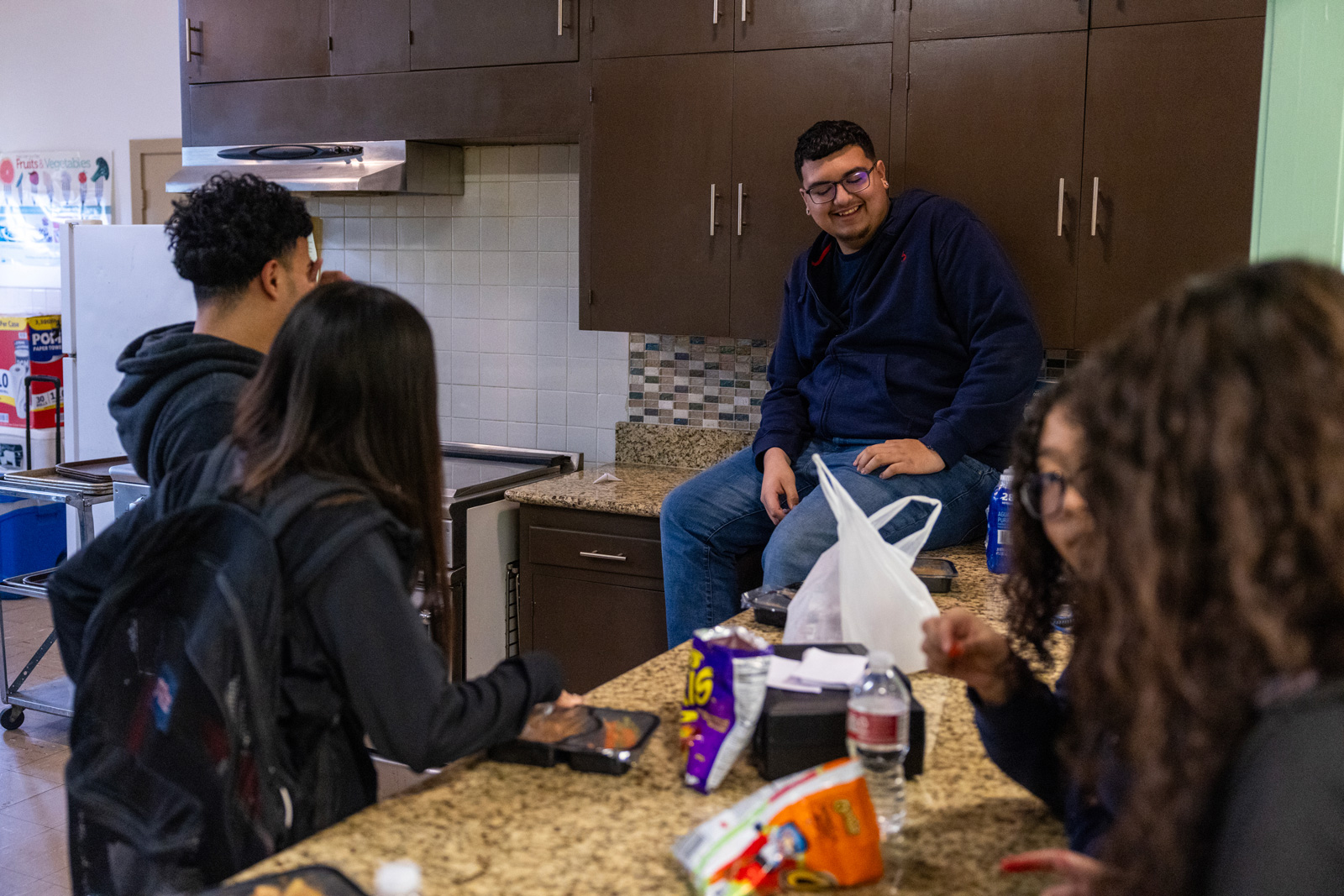
Those three centers share space with organizations that had a presence in the community before the HISD partnership. Now, the organizations have the chance to add “things that were always on their wish list,” like gardens or mental health services, thanks to the district’s resources, Callander said.
Callander predicts the other four centers will eventually serve more families with time and continued work.
“Everybody’s doing this work at the speed of comfort and trust,” Callander said. “With the three centers where we’re seeing some good usage … we’ve gotten to a place of trust more quickly than maybe we have with the other four. But I do think we are learning from the things that worked and applying them to the centers where we want to see more growth.”
Asher Lehrer-Small covers Houston ISD for the Landing. Find him @by_ash_ls on Instagram and @small_asher on X, or reach him directly at asher@houstonlanding.org.

