

State of H-Town is a weekly column wrapping up the latest in Houston-area politics.
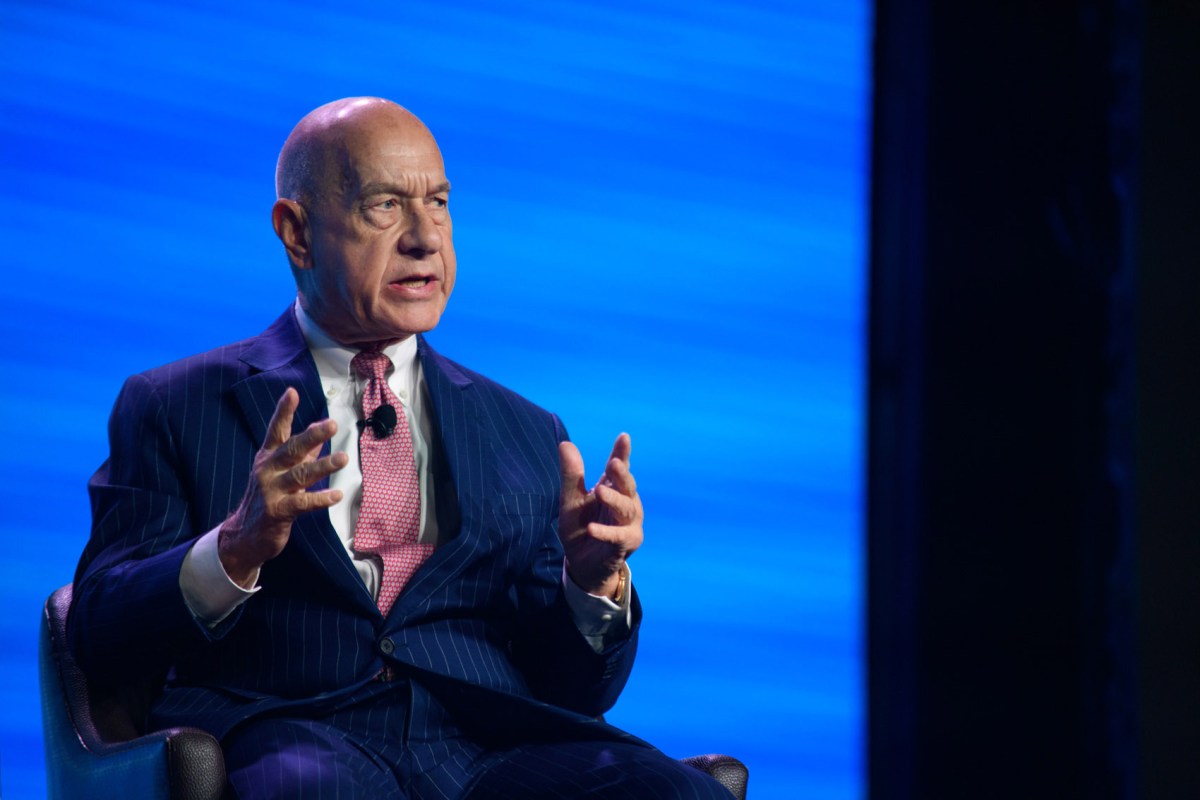
The recall effort against Houston Mayor John Whitmire may be finding its way into the headlines, but Houstonians frustrated with his leadership probably should not hold their breath.
Whitmire himself does not appear to be concerned about the campaign’s chances of success, dismissing them during a testy press conference on Wednesday.
“I think it’s silly. Doesn’t even deserve a response, quite frankly. I’m very pleased with our position,” Whitmire said. “I’ve traveled across Houston often by myself, and that’s the best review that I need.”
The residents frustrated with Whitmire are very real, as shown at the same press conference where the mayor clashed with media over his decision at the end of March to remove the Austin Street bikeway and the armadillo bike lane barriers on Heights Boulevard. Whitmire has faced fierce criticism over much of his time in office over road design decisions that his detractors say favor cars over alternative forms of transportation.
However, the bar the recall effort needs to clear will be high.
“Recall Houston” was formed last year by a group of local activists with the intention of recalling Whitmire through a ballot measure this year. To do so, the petitioners must collect a number of signatures equivalent to 25 percent of the total number of ballots cast in the last mayoral election. And they have 30 days to do it. That means the group will have just one month to obtain a little more than 63,000 signatures.
The group began accepting donations on March 26 in preparation for the effort, which is planned for this summer.
Recall efforts, however, are not uncommon in Houston and throughout the country, and they rarely succeed.
Former Mayor Sylvester Turner was threatened with a dead-on-arrival recall effort by residents who felt his response to the COVID-19 pandemic was too strong in 2020. Before him, Mayor Annise Parker faced her own recall petition drive in 2014 from anti-LGBTQ activists opposed to her support for an equal rights ordinance in Houston.
A petition to repeal the ordinance itself eventually was submitted to the city with roughly 50,000 signatures. It took weeks for the City Secretary’s office to count and validate the signatures, and the city said the effort fell about 2,200 short of the number needed to force an election. The Texas Supreme Court then ruled in 2015 that the petition was valid, and a citywide election at the end of that year overturned the ordinance.
East on Interstate 10, embattled New Orleans Mayor Latoya Cantrell faced a recall petition drive in 2023 over accusations of fraud and the city’s elevated crime rate that required 49,000 signatures to trigger an election. Organizers reported collecting 67,000, but a review by Louisiana officials found only about 27,000 of those were valid, and the effort failed.
All that is to say, recall petitions are not uncommon, but they rarely have the support to succeed.
Second chances
If at first you do not succeed, take comfort in being in the same political party as the governor.
Three local Republican candidates benefited from their party affiliations when Gov. Greg Abbott gifted them with appointments to local judicial posts after they lost their elections.
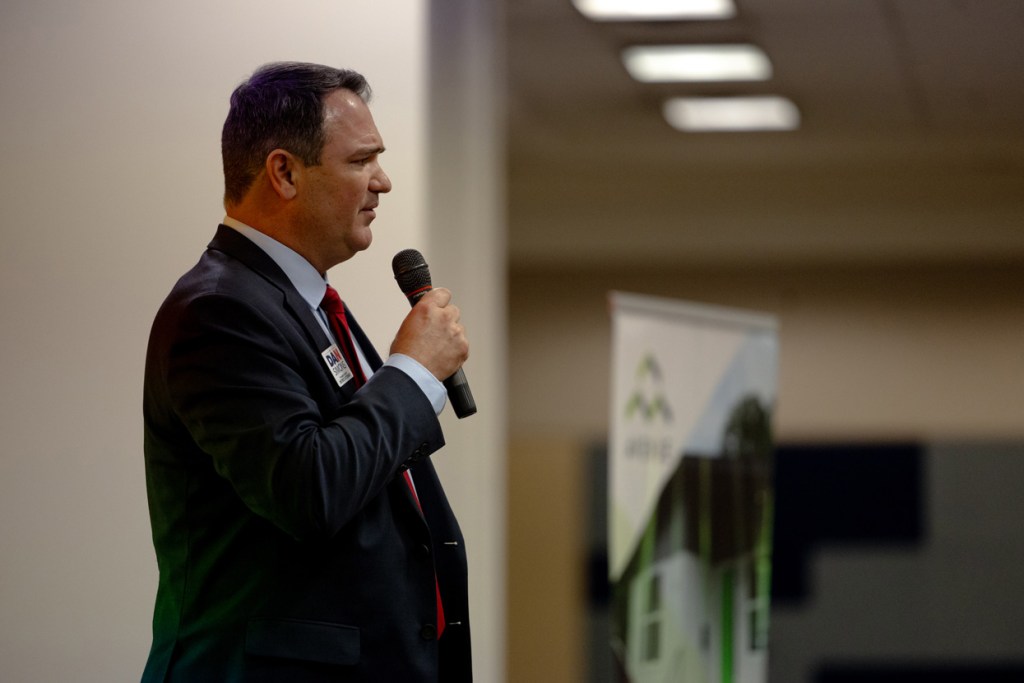
Dan Simons, an attorney and failed Republican candidate for district attorney, Lori Ann DeAngelo, the former appointed judge of the 268th District Court who lost her bid for reelection in November, and Maggie Jaramillo, who lost her 400th District Court seat in 2020, were appointed to judicial seats by Abbott in the past few months.
Those courts are now humming along, with their recently appointed judges at the helm.
The appointments – Simons to the 496th District Court, DeAngelo to the 495th District Court and Jaramillo to the Fort Bend County 458th District Court – grant each a two-year term. If they want to extend their terms, they will have to run for election in 2026, but they will also enjoy the advantages of incumbency in that election.
Abbott and other state Republicans have long sought to shape the Texas courts system to their liking, both at the Texas Supreme Court, where Abbott has appointed five of its nine members, or in Harris County, where millions of dollars from GOP-aligned groups were spent in 2022 and 2024 to unseat Democratic judges.
In November, nine Democratic incumbent judges in Harris County were unseated by Republican candidates – eight in district courts and one criminal court judgeship. The Democrats were painted as being soft on crime in political advertisements.
Considered a blue county since a Democratic sweep in 2018, the recent election results and appointments further prod Harris County back toward Republicans. Democrats did hang on to countywide seats, like the district attorney and county attorney offices, but the margins of victory for Democratic candidates were dramatically reduced this election cycle.
Harris County GOP Chair Cindy Siegel declared in the days after Election Day that local Republicans will continue to field candidates to challenge local Democrats up and down the ballot, meaning the political fight for control of the county courts is far from over.
Dubious bill proceeds
State Republican interest in Harris County extends to the legislature, as well.
State Rep. Joan Huffman’s Senate Bill 40 is continuing to move its way through the state Capitol building, despite Houston Landing reporting that the central premise of the Houston Republican’s bill is based on a falsehood.
Huffman’s bill that would ban political subdivisions from sending public funds to nonprofits that pay bail bonds for criminal defendants was filed in response to online misinformation claiming Harris County had dispersed 311 individual payments to one-such national nonprofit totalling $2.1 million. She called the practice “taxpayer funded bailing out of criminals” that is taking money away from public safety and crime victims.
It only took a couple of phone calls to learn the payments, which went viral among conservative activists last fall, are simply refunds for criminal defendants who had shown up to all of their court dates, much the same as if the individuals had paid their bail themselves then were refunded directly at the end of their court proceedings.
Despite the report in early February, SB 40 was overwhelmingly approved by the Texas Senate less than a week later. Only Houston State Sen. Molly Cook and two other Democrats voted against the bill.
The bill must now be approved by the House of Representatives and last week was referred to the Criminal Jurisprudence Committee. A hearing on the bill has yet to be scheduled.
If approved by the full House and signed into law by Gov. Greg Abbott, advocates and Harris County officials say it is unlikely to do anything because it bans a practice that is not occurring.

