

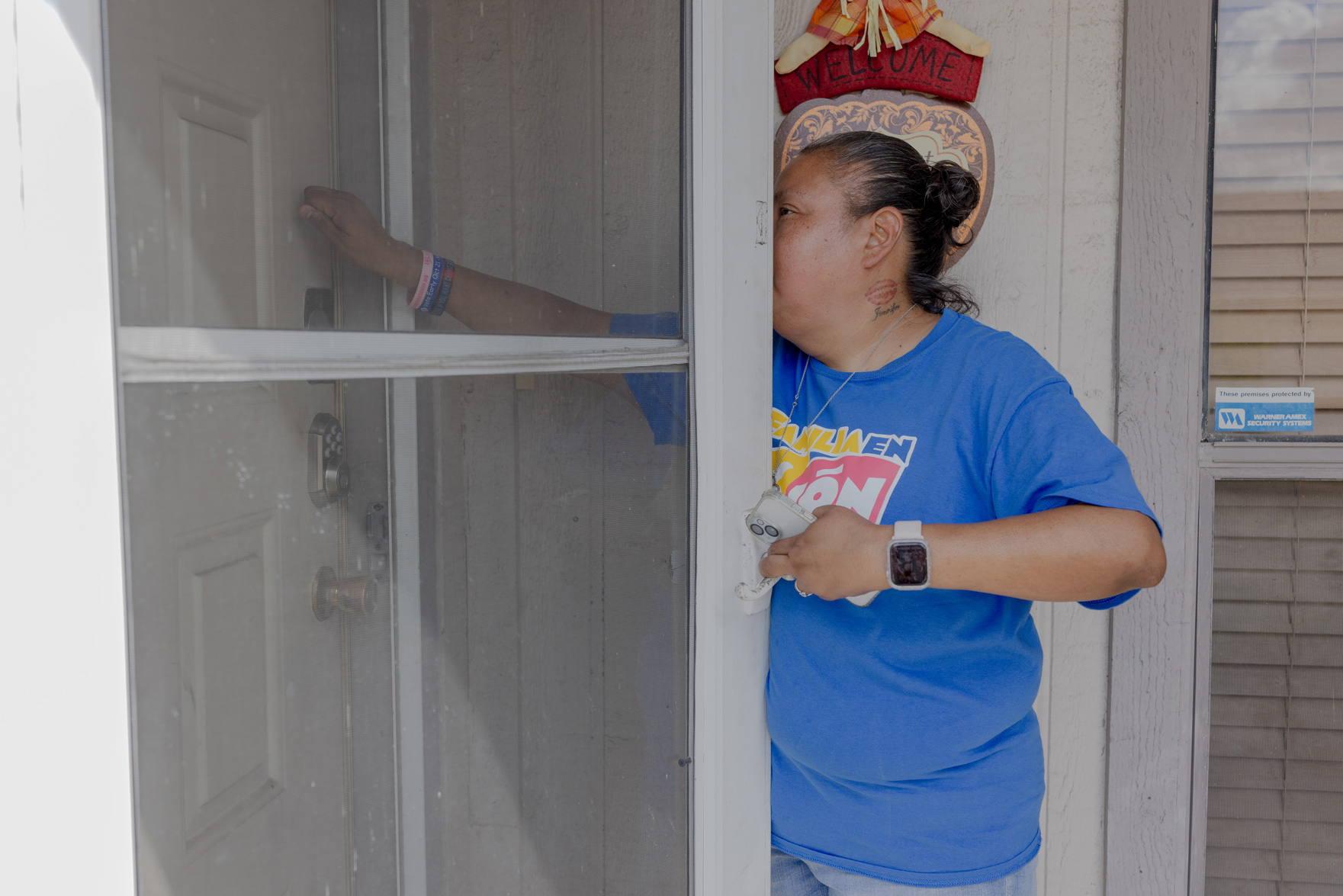
When José Fernández opened the door to his home in Katy, he didn’t expect someone to ask him, “Do you have a plan to vote?”
“Nunca viene nadie,” Fernández said. “They only leave pamphlets about candidates every so often.”
Turns out that Fernández did have a plan to vote. In fact, he said five family members were also ready to participate in the presidential election. But in the more than 30 years he’s been living at that address, Fernández said this was the first time a nonpartisan group or a candidate’s campaign knocked on his door with information about elections.
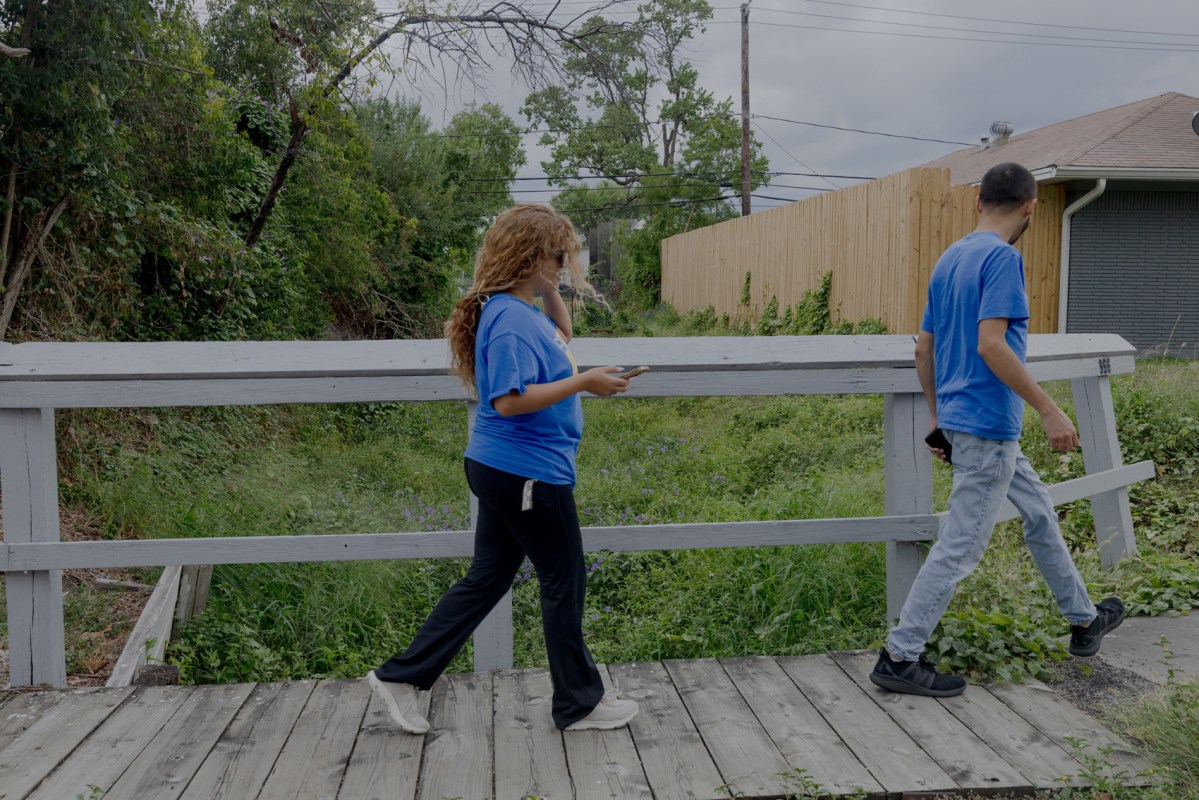
The person at his door that Saturday afternoon was Andrea Estrada, a canvasser working with Mi Familia en Acción. Estrada’s job until Election Day, Nov. 5, is to knock on doors of registered Latino voters, help them think of a plan to vote, provide resources on how to get information and ask what major issues they care about the most.
The share of eligible voters that identify as Hispanic or Latino is on the rise in Harris County, reaching 32 percent in 2022. In contrast, the share of white voters across the county has gotten smaller over the same period, going from 45 percent to 36 percent, reflecting similar statewide patterns.
Across Houston, organizations like Mi Familia en Acción are working to encourage registrations and get those who have registered to get out and vote.
“What I’ve noticed out in the Latino community is that most of the community are not encouraged enough to get out there to vote,” Estrada said. “So that’s what has sparked that interest in me to be a person that spreads information to these voters.”
‘A little push’
According to a poll conducted by the Latino civil rights organization UnidosUS, 52 percent of Latinos reported never having been contacted about the elections, and only 14 percent reported having been contacted by a nonpartisan organization or community group.
As of Wednesday, Oct. 10, the group of 13 canvassers had knocked on more than 5,500 doors. They have about three more weeks to reach as many registered voters as possible, said Jesús Zamora, Texas field director with Mi Familia en Acción.
Canvassers started on the East End and have since traveled through Southwest Houston, Acres Homes and Katy.
“The team is encountering that a lot of our residents aren’t wanting to participate in this election,” Zamora said. “If we can get to one family, then how many other Houstonians can we get to, to give them that little push from a nonpartisan standpoint?”
A big reason why people might not be engaged in the electoral process is lack of information, Zamora said, and it’s common for them to hear from people like Fernández, who say nobody had approached them with information before. In those cases, they refer them to HarrisVotes.com in order to familiarize themselves with their ballot before going to vote.
With early voting starting on Oct. 21 and Election Day less than a month away, Zamora’s team has been working Monday through Saturday, knocking on about 80 to 100 doors daily.
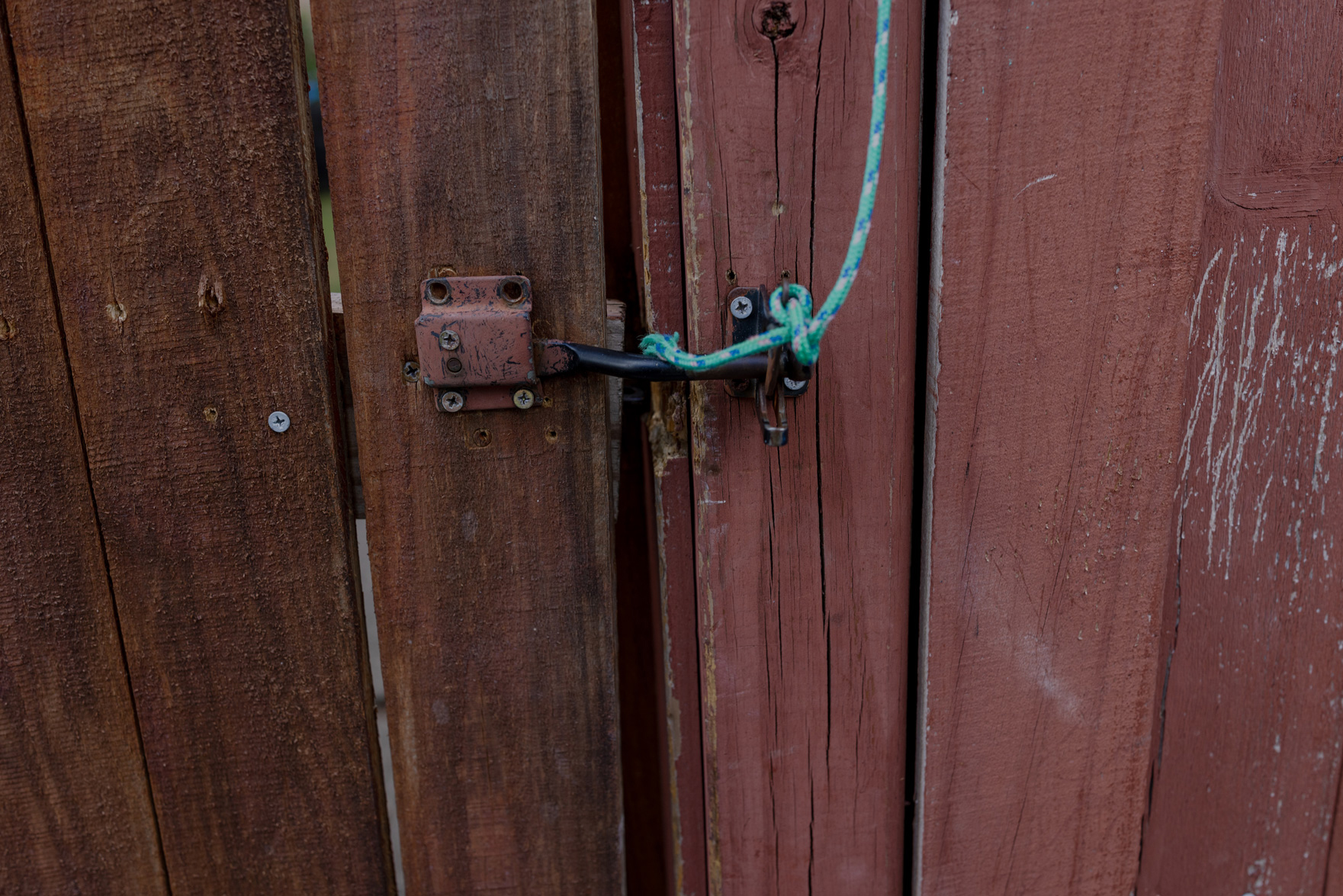
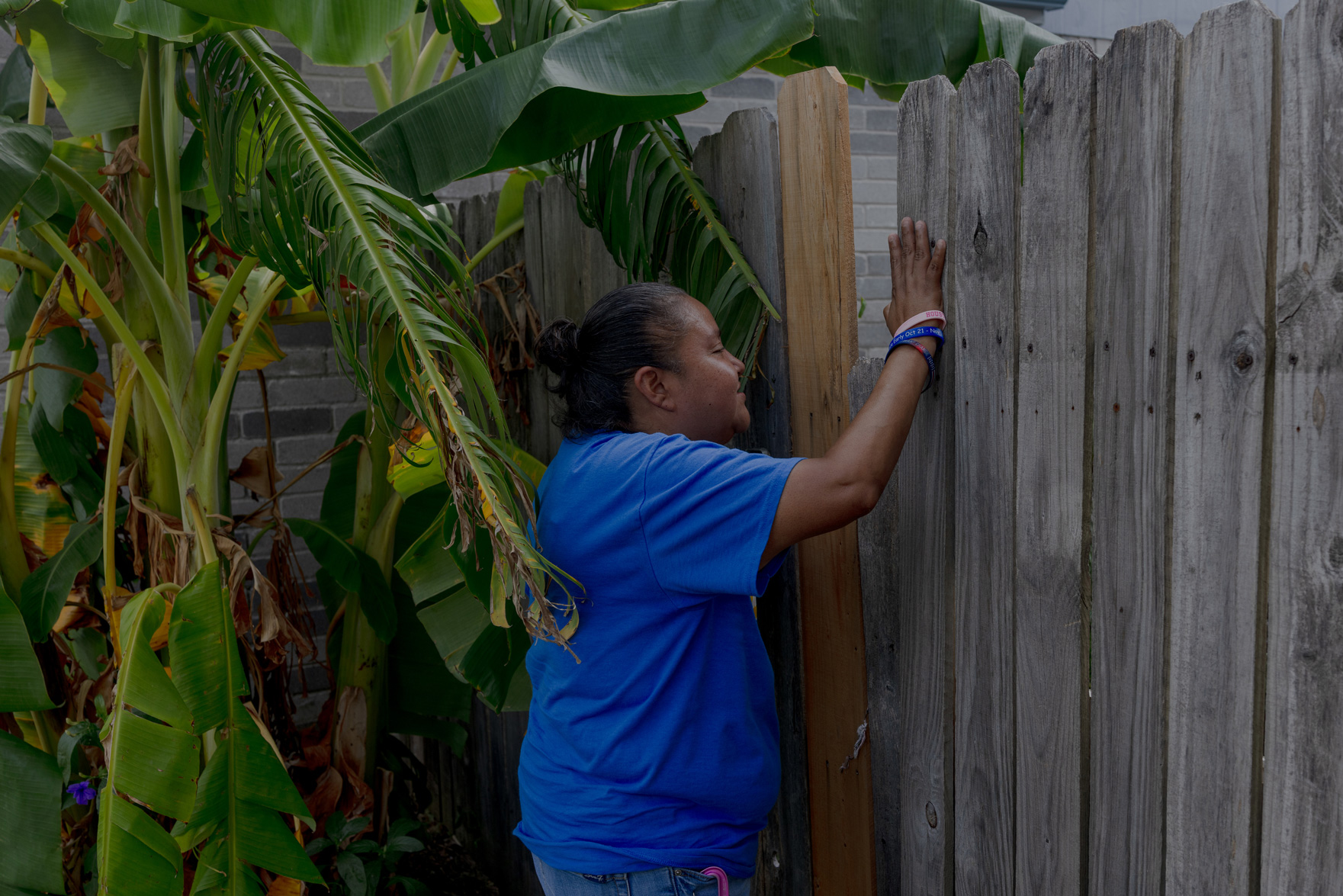
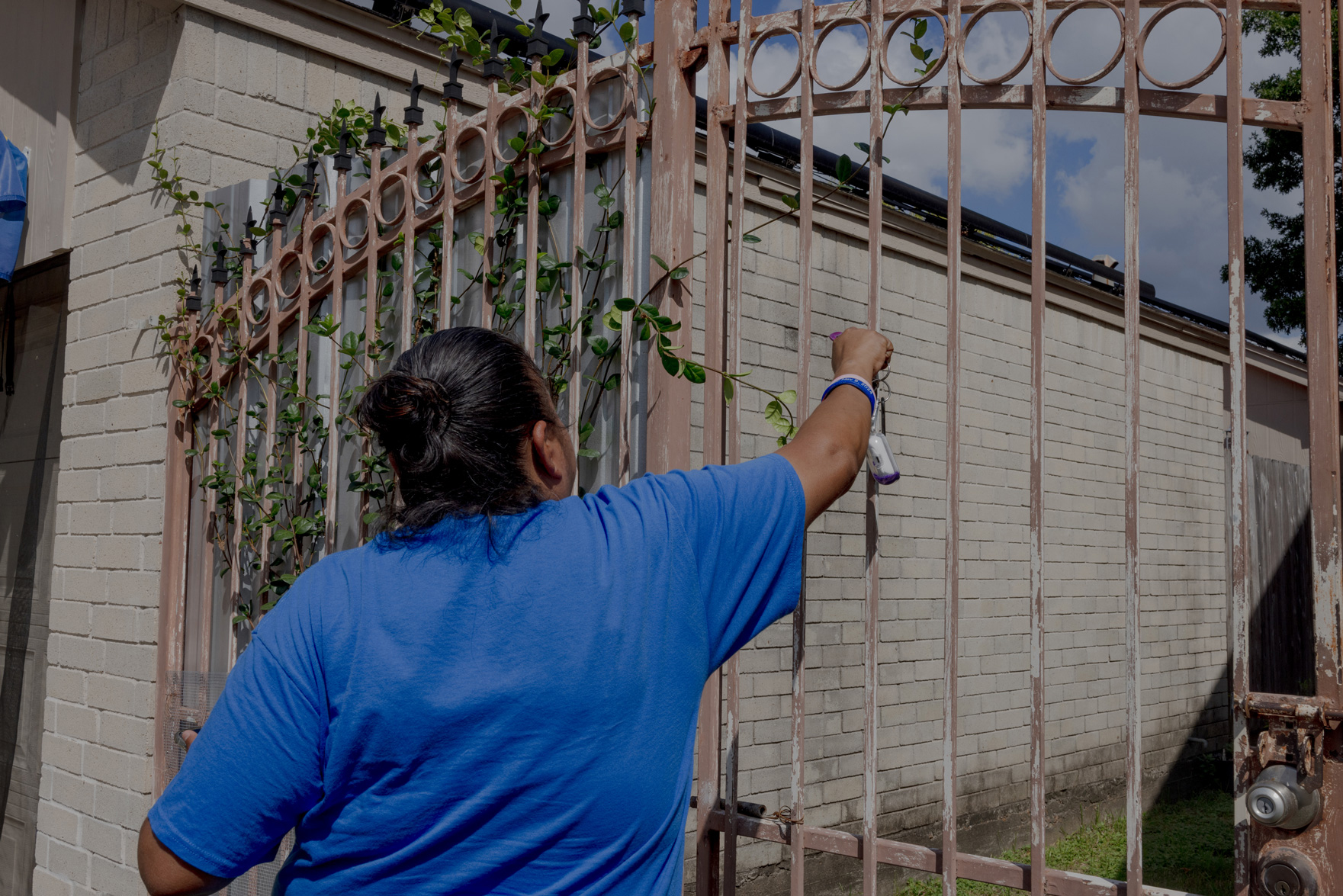
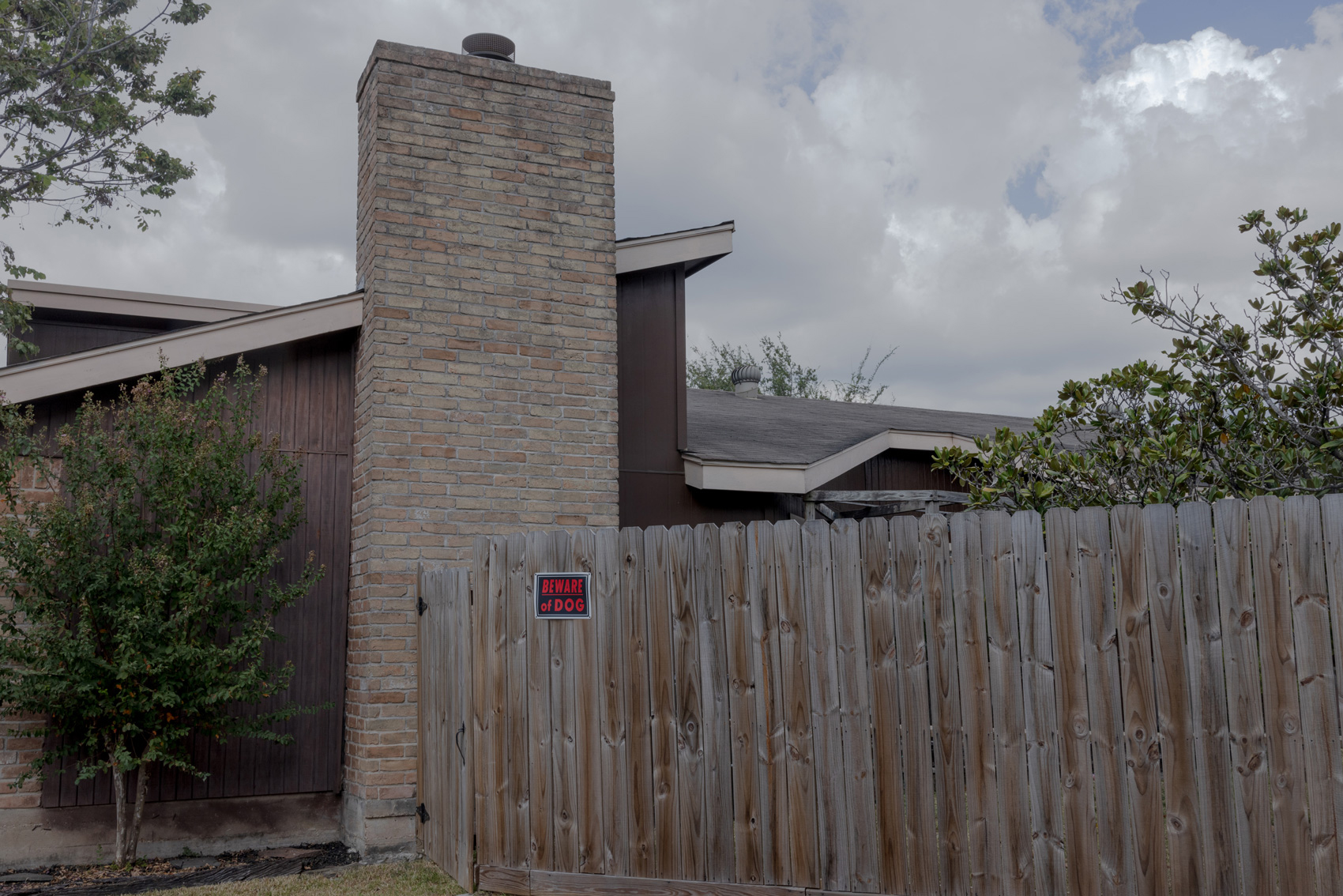
The majority of these canvassers speak both English and Spanish, but there are still barriers, mostly physical, along the way — fences, gates, roaming dogs or threatening signs. But the team is trained to make conversation however it seems feasible and safe.
Erika Barrera, a canvasser for over a year, has sometimes had to hold conversations through closed doors, fences and doorbell cameras.
“It’s just like you are talking to the person. They’ll have a full conversation with you,” Barrera said about the doorbell camera conversation. “It’s very helpful because people get to see you and they get to know what organization you are with. They do answer.”
Pressing issues
Unidos US, the nonprofit and nonpartisan Latino civil rights organization, polled 3,000 Latino eligible voters – 400 of them in Texas – in English and Spanish, with the majority answering an online survey and about 25 percent of them answering questions via telephone.
What to know about canvassing efforts
Canvassers may knock on your door with information about the upcoming elections. Here’s what to know about their work:
- Political canvassing is a common way to survey voters, persuade them to support a specific candidate or party, or encourage you to participate in an election.
- Canvassers are sometimes paid employees for a political party, candidate or organization. Many, however, are volunteers.
- They might come with nonpartisan information, ready to help you come up with a plan to vote (i.e. key election deadlines, sample ballots, etc).
- Canvassers may ask you how or who you plan to vote for. It’s up to you to respond.
- They will not ask you for personal information outside of your voter registration status and opinion on certain issues.
About 63 percent of participants said they were certain they would vote in this presidential election, but only a third of them said they would do so during the early voting period.
“The majority of the Texas Latinos planted to Vote, many have not made a firm commitment to do so,” said Gary Segura, principal researcher on this poll. “Fifty two percent of Texas Hispanic voters have not been contacted by anyone to turn out or register to vote. That number is exactly the same as national numbers… it is really an issue of underinvestment in Latino communities by both parties.”
In this poll, Latino voters in Texas are more likely to cite inflation and the economy as their main concern. This was followed by better-paying jobs, immigration focused on a path to citizenship, health care, abortion, gun policies and crime.
Locally, organizations such as Houston in Action, Sisters United Alliance and Woori Juntos have worked year-round to increase voter turnout and engage low-propensity voters, especially in communities of color and among youth voters.
As part of the in-person interaction, Mi Familia en Acción canvassers are tasked with asking what issues concern that particular voter the most, then they proceed to inform them of seats that are up for grabs in this election that could impact certain issues.
So far this year, canvassers have encountered everything from immigration, to the economy, reproductive rights and health care. But for Zamora’s team, even smaller issues could mean turning a disengaged resident into a voter.
“I always say, ‘Ok, we are going to be in the Alief area, I know that in the Alief area top priorities are going to be crime and safety, streets and potholes, schools and education, and these are the elected officials,’” Zamora said. “It’s about being a one-stop shop.”
That Saturday afternoon, Fernández was surprised but took no time in stepping out of his porch and engaging in conversation with Estrada. He seemed curious in what she had to say despite being certain that he and his family would participate. He might not be the most enthusiastic voter, he said, but he likes knowing that he did his part.
“It’s good to vote to know who is going to govern us, although they don’t do much for us,” Fernández said. “It’s the same here or where we are from, México, a bunch of promises but they never do anything for us.”

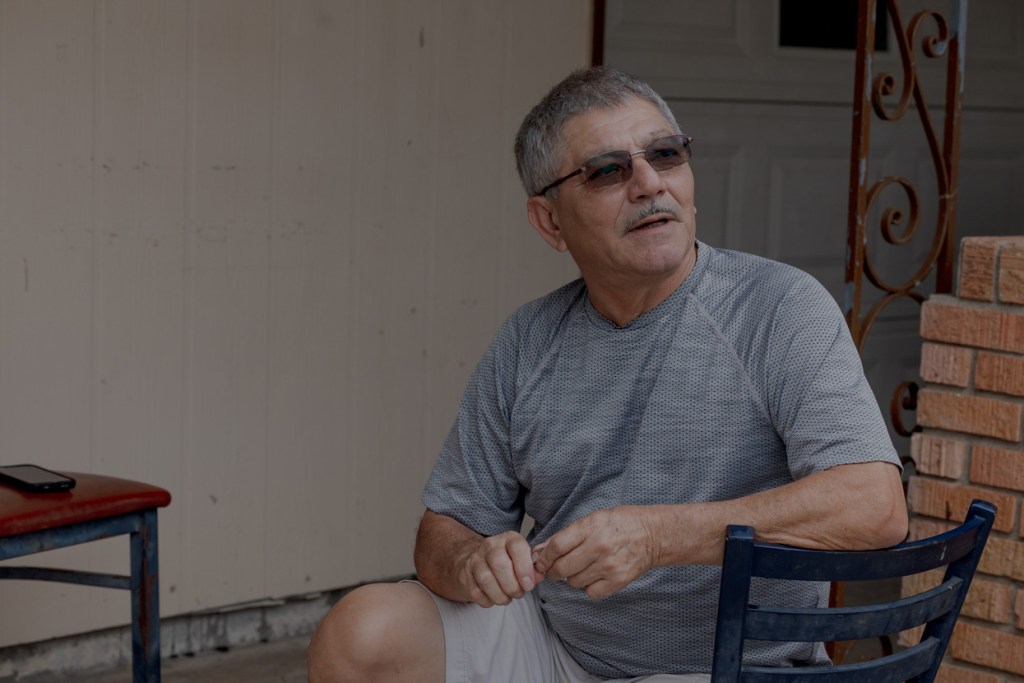
A couple of blocks away, Oscar Ventura sat on his porch talking on the phone as the canvassers approached him. He was weary of talking to strangers at first, but hung up to engage in conversation. This was also the first time anyone approached his household with voter information, he said.
“I didn’t know what it was going to be about,” he said in Spanish. “I think this is a good idea, especially for those who are not aware of (voting) for them to get an idea of what’s going on… We thankfully have always voted.”

