


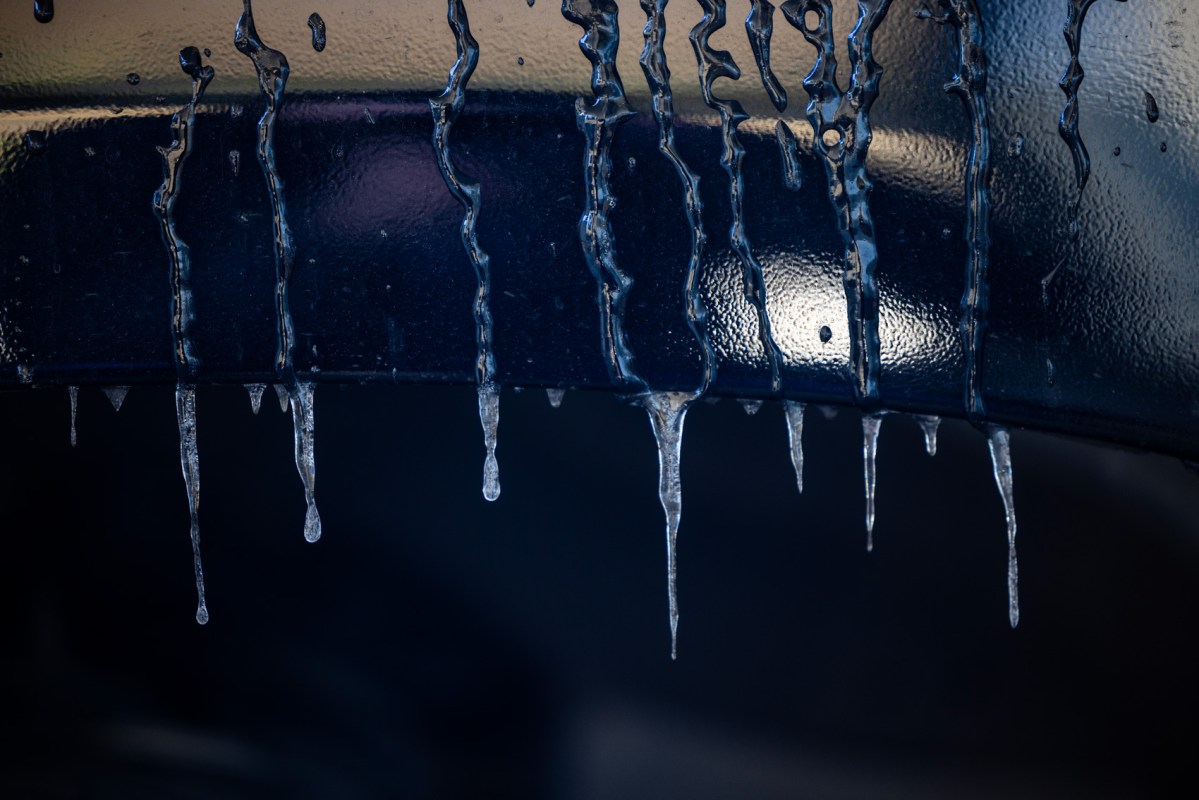
Winter has come, and with it comes the possibility of freezing weather. The National Weather Service forecasts that frigid temperatures with an increasing possibility of snow or sleet could hit the Houston area early this week.
With cold weather comes the possibility for a hard freeze, which the National Weather Service considers a possibility on Tuesday and Wednesday mornings. NWS issued a Winter Storm Watch starting 6 p.m. Monday extending into Tuesday afternoon for the region.
The weather service predicts up to five inches of snow for the northern parts of the area. Freezing temperatures will also extend well into Wednesday.
The Houston Landing first published this guide in December 2023, and we’re republishing with updates to help you prepare for upcoming frigid weather.
Staying warm in a cold snap
A native of Buffalo, New York, Dr. David Persse, chief medical officer at the city of Houston, said he has seen more hypothermia patients in Los Angeles and Houston due to unpredictable cold snaps than he ever saw in Buffalo despite the harsh winters.
A key difference, he says, is that the homeless population in Buffalo is more prepared. When you’re outside, it’s about wearing layers, gloves and making sure you have something on your head to stay warm, Persse said.
Houston homes are not built for extreme temperatures. And similar to summer when people don’t want to turn on their air conditioning because it can increase their bills, some people may not turn on their heat during the winter to save money. Persse recommends checking in on elderly family members and friends during the winter to make sure they’re OK.
The city of Houston opened 10 overnight warming shelters at 6 p.m. on Sunday and will remain open 24/7 until midday Thursday for anyone who needs them, Mayor John Whitmire announced Friday. Those centers are located at:
- Acres Homes Multi-service Center
- Denver Harbor Multi-service Center
- Fonde Community Center
- Kashmere Multi-service Center
- Magnolia Multi-service Center
- Metropolitan Multi-service Center
- Moody Community Center
- Northeast Multi-service Center
- Southwest Multi-service Center
- Sunnyside Multi-service Center
Animals will be allowed at all locations, but the Metropolitan Multi-Service Center and Fonde Community Center will have kennels already set up, primarily to help the unhoused.
Individuals will be allowed to keep items they arrive with along with them while at the warming centers. Unhoused individuals who are transported to locations by police will no longer be handcuffed on the drive there.
If an individual needs a ride to a warming center, they can call 311 and request a Z-Trip that will take them to any open warming center.
Unlike in previous years, warming centers will also accept food donations from community members. Each warming center will be staffed with health and public safety personnel and equipped with basic necessities, per a press release from the Office of Emergency Management. Houstonians planning to use the warming centers should pack any medications or special dietary needs.
How to handle power outages
You can create a plan before power outages occur. From stocking up on items like food or talking to your doctors about how to store medicine, making a plan beforehand helps. Be sure to have alternative lighting options like flashlights or lanterns with extra batteries or fuel.
If a power outage occurs, the Electric Reliability Council of Texas recommends people contact their local electric provider.
The Public Utility Commission of Texas has a list of electrical providers for the state.
Check out the Landing’s guide to power outages here for more tips on how to prepare.
How to winterize your home
Houston Public Works advises residents to wrap exposed pipes located outside or in unheated areas of the home before freezing weather occurs. People should remove garden hoses connected to outside faucets and turn off sprinkler systems. Make sure they aren’t broken to prevent potential water leaks due to frozen water pipes.
“Houston Public Works does NOT ask people to drip their faucets,” said Erin Jones, acting communications director and public information officer at Houston Public Works, in an email. “It could have a negative impact on the city of Houston’s water pressure if we have a mass amount of people dripping their faucets.”
During freezing weather, the department suggests people open cabinet doors under sinks next to outside walls. In unheated garages, shut off water to washing machines. Also, make sure to protect pipes that have frozen in the past.
If you won’t be home, the department recommends draining outside water faucets and setting your home heating system to low.
During freezing temperatures, the department also schedules extra crews to respond to any fallen debris due to high winds.
The National Weather Service suggests that people insulate their attics and inspect chimneys before winter weather. Individuals should also caulk and weather strip doors and windows.
Fire safety for heating your home
Heating fires were the second-leading cause of home fires in 2021, according to Ready.gov, a U.S. Department of Homeland Security website focused on educating the public about disaster preparations. It recommends people keep items that can burn at least 3 feet away from all heat sources.
Heaters should be plugged in directly to an outlet. Make sure the cord isn’t damaged or frayed. Individuals should have a professional check out and clean chimneys and heating equipment yearly, according to the website.
The National Weather Service suggests smoke and carbon monoxide detectors be checked before the temperature drops.
For renters, landlords are required to have at least one smoke detector installed outside of each bedroom with some exceptions, according to Texas Tenant Advisor. Be aware that the landlord only has to test it at the beginning of the tenancy or when the smoke detector is first installed. Which means that if it stops working, it’s up to you to put in a request to fix it or inspect it. Just make sure you’re up-to-date on your rent. Texas Tenant Advisor recommends putting a request in writing.
Make sure heat sources have proper ventilation and generators are kept at least 20 feet away from your home. Don’t keep gas, kerosene or propane heaters indoors because of the risk of carbon monoxide poisoning.
Former Houston Fire Chief Samuel Peña said you should have smoke detectors on every floor, including the basement. Carbon monoxide is colorless, odorless and poisonous but can be lethal for humans and animals.
Common sources of carbon monoxide develop from improperly working furnaces.
If power outages occur, generators should not be indoors, including garages with open doors. Individuals should also not use their stove or oven to heat their home.
How to prepare your car for the winter
Houstonians should take their vehicles for a preseason checkup. If you haven’t done that yet, now is the time, said Daniel Armbruster, senior public affairs specialist at AAA Texas.
The top winter-service calls in Texas include dead batteries, flat tires and engine failure, which typically means there’s an issue happening under the hood with the belts and hoses. It’s important to check those for any potential cracking from wear and tear.
You should make sure that your windshield wipers are in good shape. Make sure your car has the proper fluids, like windshield washer fluid and oil. Windshield wipers should be changed out every six months, Armbruster said.
Tires should be checked once a month to make sure they have enough tread and the right amount of air pressure.
Additionally, if your battery is over three years old, a trusted mechanic should check it out. Colder temperatures can decrease the life span of a car’s battery. Typically, a car battery lasts three to five years.
Additionally, you should add a winter survival kit for each car that includes warm clothes, blankets, food, water, and a cellphone and charger, according to the National Weather Service. It’s important to have extra blankets and jackets in case you need roadside assistance and you don’t have heat, Armbruster said.
Protecting your pets from the cold
Julie Kuenstle, vice president of communications for the Houston SPCA, recommends keeping pets indoors or adequately sheltered out of the extreme cold weather. You can place them in your home, a laundry room or a garage with warm blankets to keep them warm. Just make sure your garage is warm enough for your pet.
“You don’t want to leave them in a garage where the temperature is also freezing,” Kuenstle said. “It just depends on the structure that you have, but bring your pets indoors during that extreme freeze.”
Pet owners should also avoid metal bowls for outdoor pets since their water could freeze. Additionally, outdoor pets typically need at least 20 to 50 percent more calories because of the cold weather. She recommends checking with your veterinarian as well.
Just like the summer months, pet owners should not leave their pets in their cars no matter what. A car can act like a refrigerator during the winter months, Kuenstle said.
Additionally, make sure to tap the top of your hood before starting your car to scare away any animals that have taken refuge inside your motor.
For farm animals, she recommends they have access to a barn or a three-sided structure to escape from wind and cold.
To avoid accidental poisoning, the city of Houston’s Office of Emergency Management advises people to clean antifreeze spills or leaks. If you believe your pet has ingested any chemicals, seek veterinary care immediately.
For more information on protecting animals during the winter, visit the Houston SPCA’s website.
Additional helpful links
- Sign up for Houston Emergency alerts
- Follow weather updates at Space City Weather and the National Weather Service
- For road updates, keep up with TransStar
Reporter Hanna Holthaus contributed to this story.

