

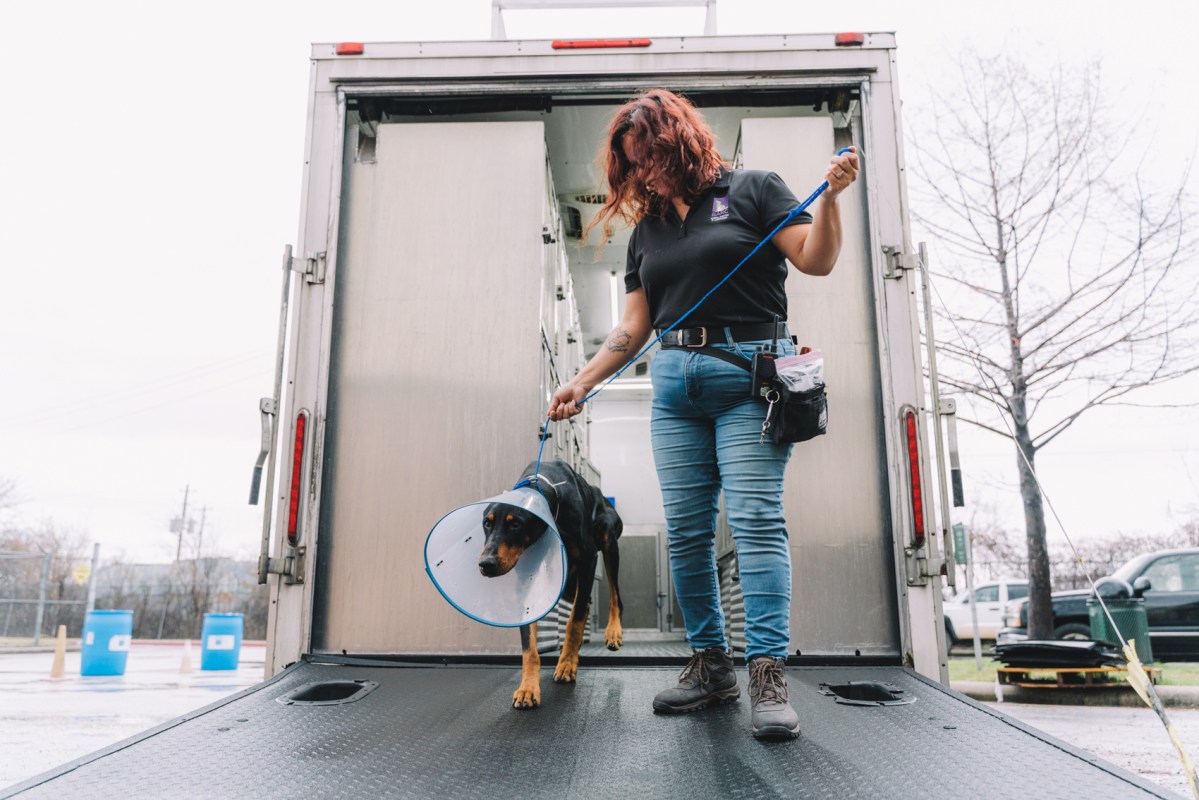
The city will cut the time it holds hard-to-adopt animals in half, potentially leading to an uptick in euthanasia cases when the shelter cannot secure an animal’s transfer to a partnering rescue organization.
Citing an increase in reported stray animals, dog attacks and calls for enforcement, BARC, the city-operated animal shelter, has announced it will keep dogs and cats on its “at-risk” list for 24 hours instead of 48 hours.
Animals on the list have medical or behavioral problems that make them unsuitable for general adoption, said Cory Stottlemyer, BARC director of communications. The shelter still will circulate the list to approved partners while balancing the need for more space to expand its enforcement operations and bring new animals off the street.
“We agree there’s a focus on outcomes, but don’t forget that there is a public safety aspect we can’t ignore,” Stottlemyer said Monday. “And we need to push our efforts in that area, as well.”
BARC announced a series of policy changes last Friday, ranging from new volunteer opportunities to agency partnership guidelines. The changes come after BARC saw an increase of approximately 2,000 animal intakes in 2024, and is routinely near capacity.
There also has been an increase in reported animal attacks which ultimately killed one woman and have sent others to the hospital, Stottlemyer said.
BARC increased its number of fostered and adopted animals in 2024, and transferred more than 8,600 to rescue groups, according to its annual report. More than 5,300 found adopted homes.
The shelter previously used the 24-hour rule until a few years ago, Stottlemyer said. The shelter aims to promote urgency among rescue partners to produce a quicker response for animals on the list, which then impacts the number of new animals BARC can accept.
The shelter is able to successfully close about 60 percent of calls from community members reporting strays annually. The longer an animal is with BARC, the more likely it is to be put on the at-risk list even when it is eligible for adoption. Stottlemyer said the changes will allow volunteers to continue to push for adoptions for long-stay animals, while rescues and experienced partners will focus on animals with medical or behavioral issues.
Any animal’s stay is considered long if it lasts more than 15 days, Stottlemyer said.
Around 80 percent of animals in the city shelter are not euthanised, but the rate could decrease if the shelter is unable to find better outcomes while also increasing its enforcement effort to help keep communities safe, he said.

