

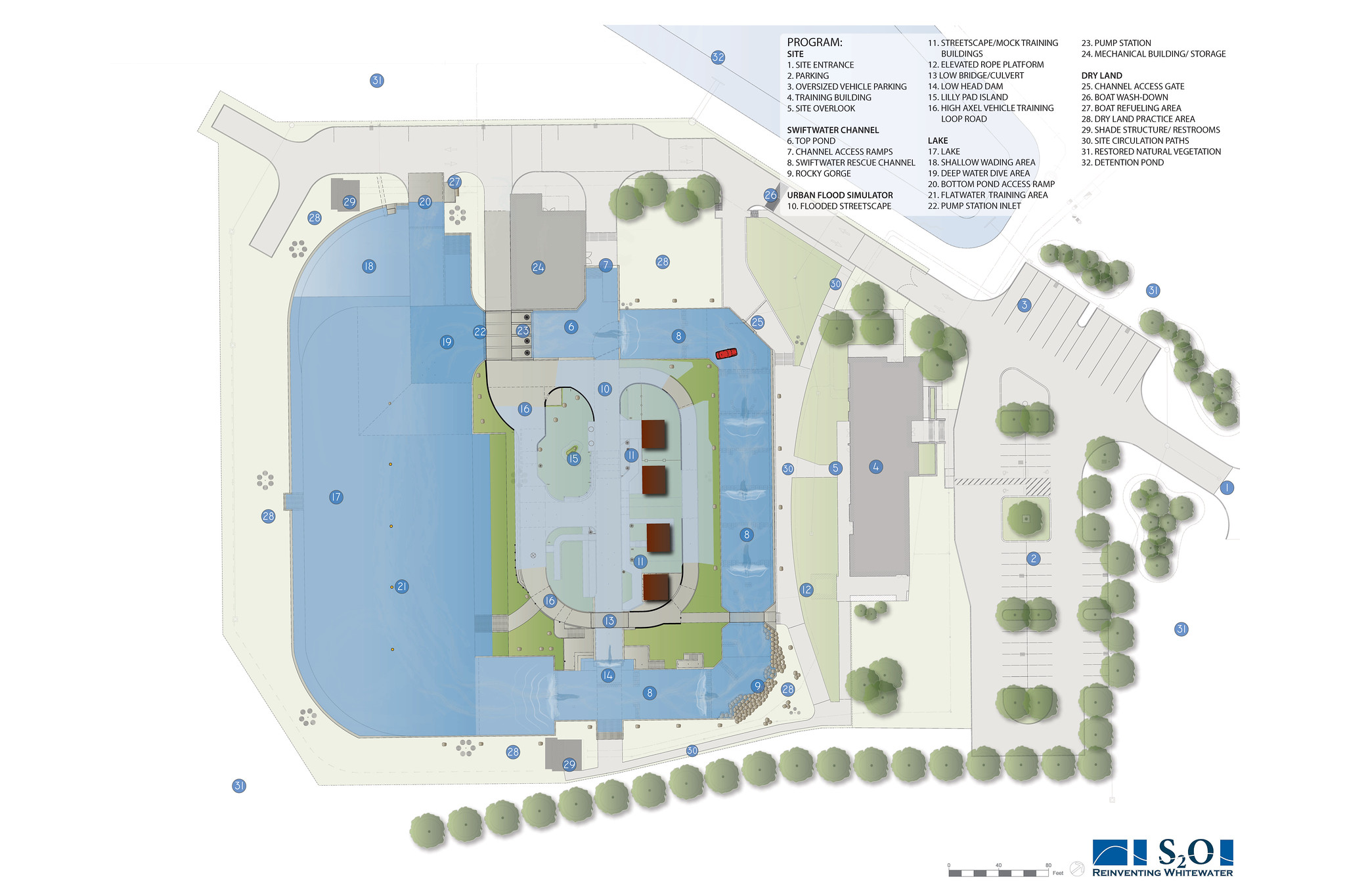
When then-Houston Community College Chancellor Cesar Maldonado unveiled plans in 2022 for a state-of-the-art, $30 million training facility on school grounds for first responders, he declared the facility would “redefine what it means to be prepared” for natural disasters.
A large pool with submerged homes, office buildings and vehicles would mimic flooded neighborhoods, like those traversed by rescuers after Hurricane Harvey. A fast-moving water channel, deep-water diving area and helicopter simulations would allow trainees to practice rescuing residents. And a 100-foot stretch of underwater boulders would provide an opportunity for obstacle training.
HCC leaders said the five-acre complex on Houston’s northeast side would be completed by the start of 2025, welcoming first responders from across the region, state and nation.
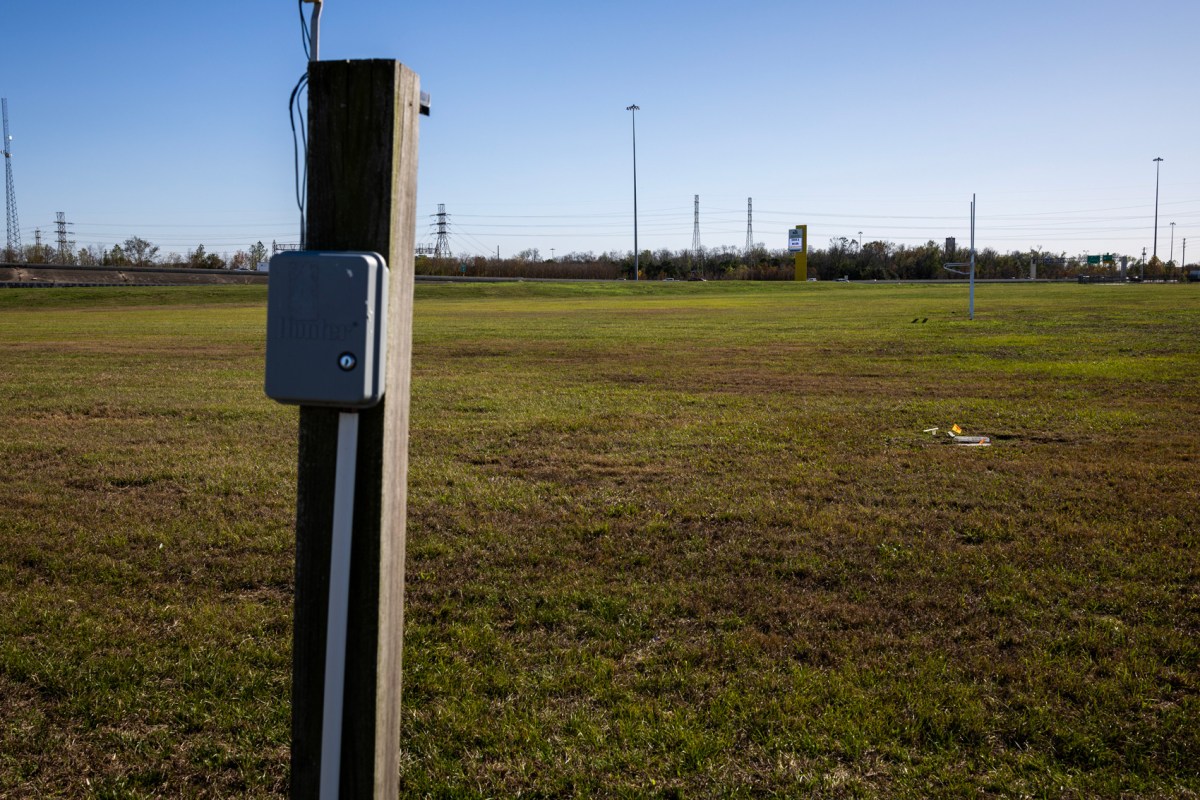
Yet today, the plot of land sits empty, a visual symbol of an ambitious plan yet to materialize.
Despite three years of work and millions of dollars pledged, HCC has made little progress on a once-heralded project that’s now being dramatically scaled back, college officials confirmed to the Houston Landing. Instead of a cutting-edge facility, HCC leaders now say they plan to build a “downsized swift water rescue center,” though they’ve released few details about the project.
The suspended plans mean HCC will fall short of its goal of becoming a destination for outside rescue agencies and attracting 3,000 first responders annually to a groundbreaking training facility.
In addition, local first responders from the Houston Fire Department and other area agencies will need to keep making time-consuming treks for training to facilities outside of the city, such as those in Galveston and Oklahoma City, and continue practicing dives in the Lake Houston reservoir.
“There was a lot of excitement on it,” said Mark Sloan, Harris County Homeland Security and Emergency Management Coordinator and chair of a community advisory panel HCC assembled to guide the project. “But nothing has moved on it, that I’m aware of. I’m not sure exactly where it is. … I have not heard anything in over a year.”
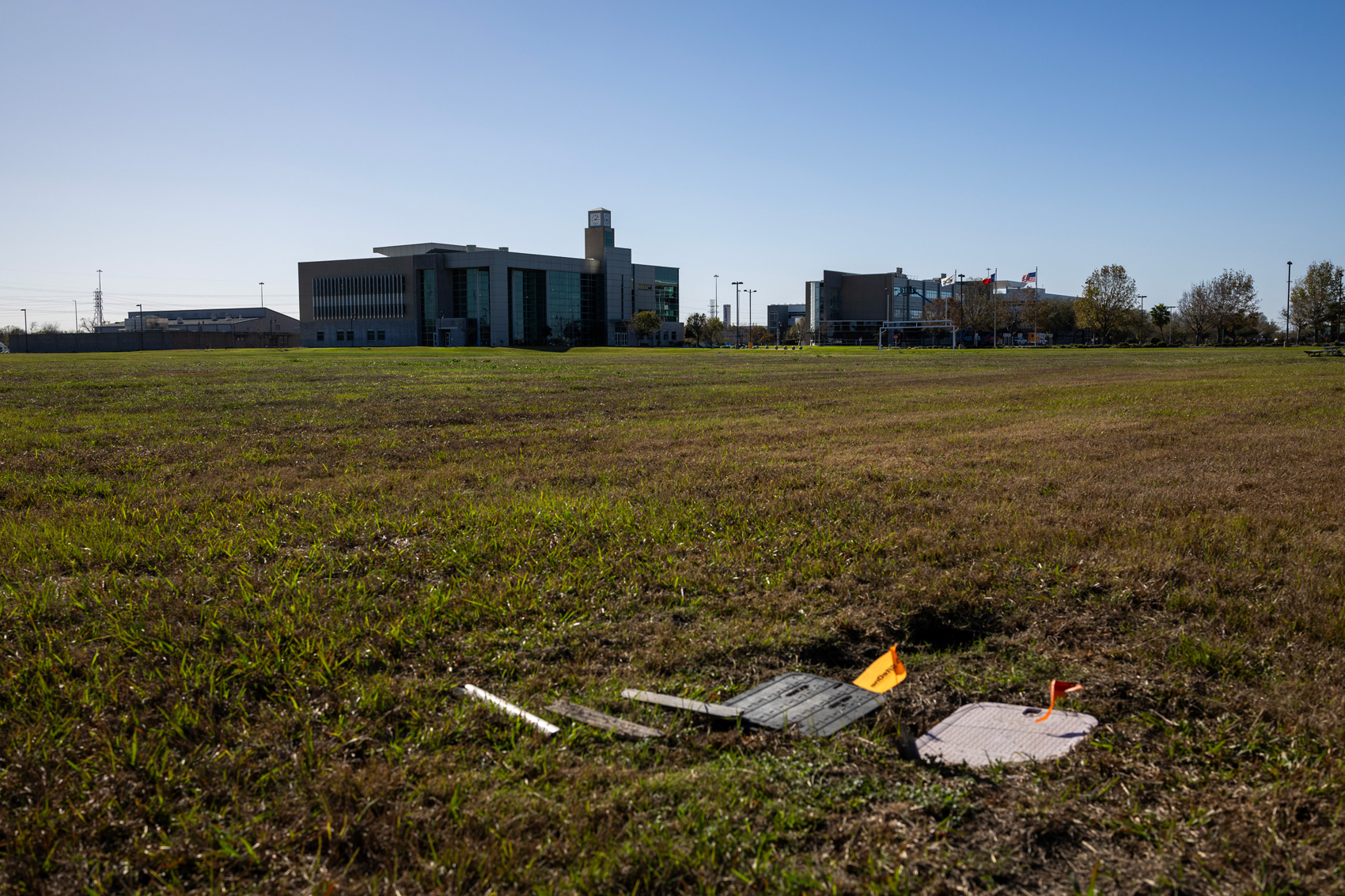

In an email to the Landing, HCC Communications Director Stephen Lestarjette said the project stalled due to higher-than-expected construction costs. Lestarjette confirmed the pared-down plans involve an indoor facility, but he didn’t respond to questions about the size, features or cost of the project.
“While the scope of the swift water recuse facility has been downsized in recognition of escalating construction costs, HCC remains committed to advancing this initiative to completion,” Lestarjette said. “The project has been delayed as the college awaits approvals of the modifications to the original plans at a greatly reduced cost.”
‘Changed pretty quickly’
Speaking to a crowd of hundreds at HCC’s State of the College event in April 2022, Maldonado revealed his vision for the Resiliency Operations Center, a facility with “global appeal” that would attract trainees from well beyond Houston.
“Safety professionals and first responders need a facility with which to train safely under simulated conditions, with the intent of reducing the loss of life from threatening circumstances,” Maldonado said at the time.
The project received early support from key community leaders and legislators.
Following Maldonado’s announcement, members of several prominent nonprofits and corporations, along with local emergency management leaders, joined a committee responsible for guiding and providing feedback on the project.
Over the past several years, Texas lawmakers allocated $7.25 million for planning and construction, according to HCC. The late Houston congresswoman Sheila Jackson Lee also helped secure a $2 million federal grant to develop disaster preparation courses for community members alongside construction of the facility. (Records show seven students have taken one of five classes developed to date.)
But the project’s momentum ground to a halt following two major developments.
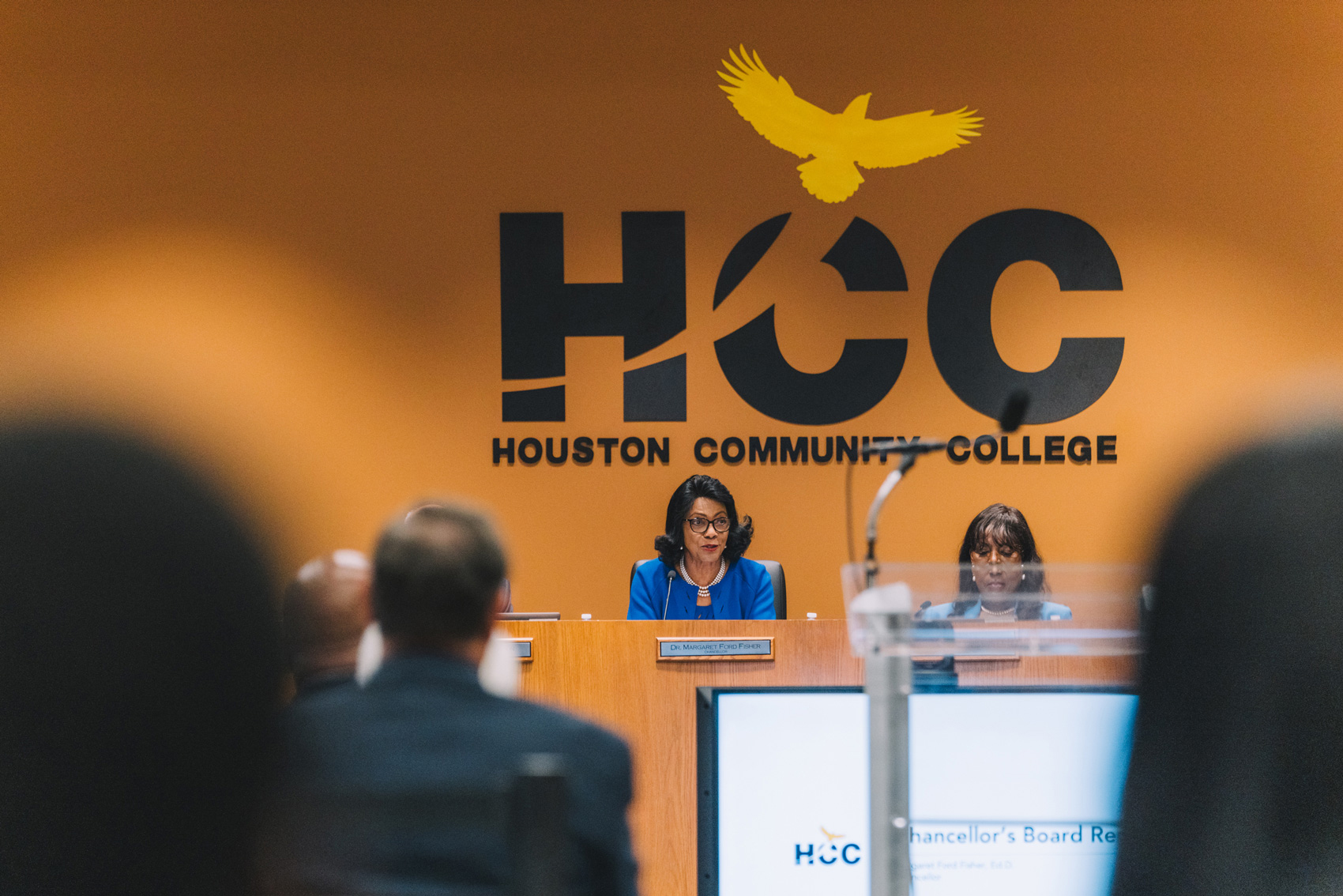
In March 2023, nearly a year after Maldonado’s announcement, HCC trustees voted not to renew the chancellor’s contract. Maldonado’s nine-year term leading the district ended later that summer. Trustees named Margaret Ford Fisher, who served a brief term as interim chancellor, as Maldonado’s successor in January 2024.
Former HCC Trustee Robert Glaser, who served on the board from 2014 to 2023, said the project “changed pretty quickly” with Maldonado’s departure.
related to education
Houston Community College is taking students ‘into the metaverse.’ Here’s what that means.
by Miranda Dunlap / Staff Writer
“It went from a front-burner to a back-burner project,” Glaser said. “A ‘we’re gonna look at this further and get back to you’ project.”
Efforts to reach Maldonado for this article were not successful.
In the meantime, the price tag for building the facility came in more than $10 million higher than expected due to “escalating construction costs,” Lestarjette said. Inflation and rising interest rates have driven up the price of many construction projects in the past few years.
After the setback
HCC leaders significantly scaled back the project last year, though they haven’t publicly posted their new plans. They’re asking the Texas lawmakers for about $2.4 million more during the upcoming legislative session to help pay for the smaller facility.
Lestarjette said the new plans incorporate “recent advances in flood water and swift water facility design and equipment” that will reduce the size and cost of the building.
“With additional state support, HCC is closer to constructing the downsized swift water rescue center intended to serve the public interest and meet a compelling need of the state and the immediate community,” Lestarjette wrote in his statement.
Glaser said the delays are warranted because initial plans were too ambitious. The former trustee said he was never fully sold on the facility, arguing that Maldonado’s administration didn’t provide enough details and transparency to warrant “moving ahead with something of that magnitude.”
“I’ve seen a lot of initiatives and things like this, and the larger they are, the higher degree that they never really die,” Glaser said. “They just hang around.”
As HCC’s plans have sputtered, Greater Houston has experienced multiple deadly and damaging weather events, including floods, a derecho and a hurricane. Local emergency responders, meanwhile, are moving on without HCC.
Houston Fire Department spokesperson Brent Taylor said the agency is not “aware of any progress of this project” and has not implemented it into its training plans. In mid-2023, Harris County commissioners approved plans for a $7 million, 9,500-square-foot swift-water training facility.
“The concept was very, very good,” Sloan, the Harris County emergency management coordinator, said of HCC’s initial plans. “I think it would be a benefit to first responders across the country that deal with flooding situations, so that they could be better prepared and not put themselves at risk in flood water. But, you know, again, it costs a lot of money.”
Miranda Dunlap covers Houston’s community colleges in partnership with Open Campus. Despite roughly half of Houston’s higher-education students attending community colleges, there hasn’t been much news covering these systems or students — until now. Her reporting holds institutions accountable, highlights barriers faced by students and helps them navigate their opportunities. Reach Miranda at miranda@houstonlanding.org or on Twitter and Instagram.

