
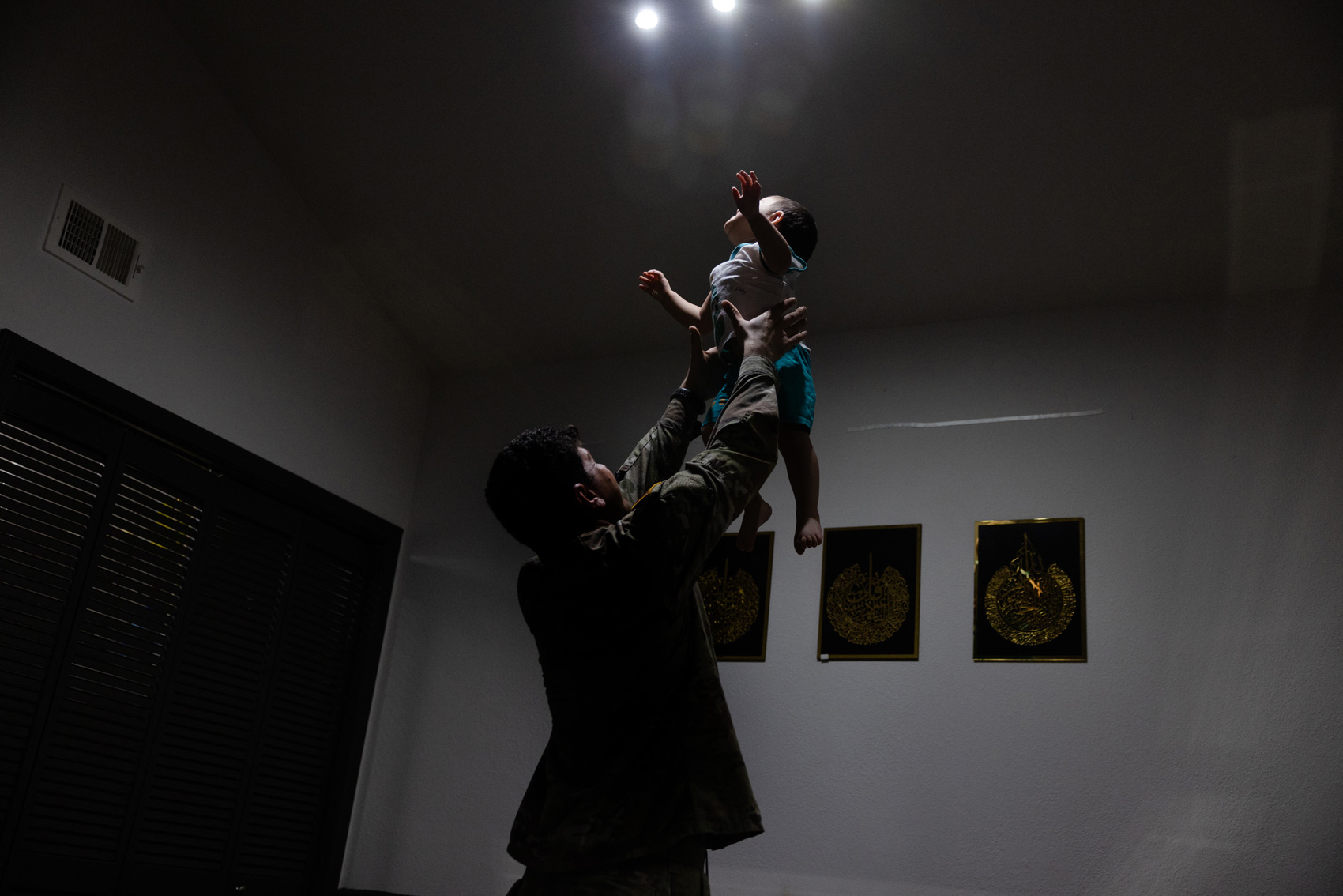

Every day, Houston truck driver “Mojo” checks in with his sister Zainab in Afghanistan to make sure she hasn’t been arrested by the Taliban government.
Zainab had been expecting to get on a plane out of Afghanistan any day – until President Donald Trump issued an executive order last month that brought an immediate halt to all U.S.-backed efforts to bring refugees to America.
Trump’s order upended refugee resettlement programs in Houston and created a climate of fear across the city among people working to help newcomers acclimate to life in America.
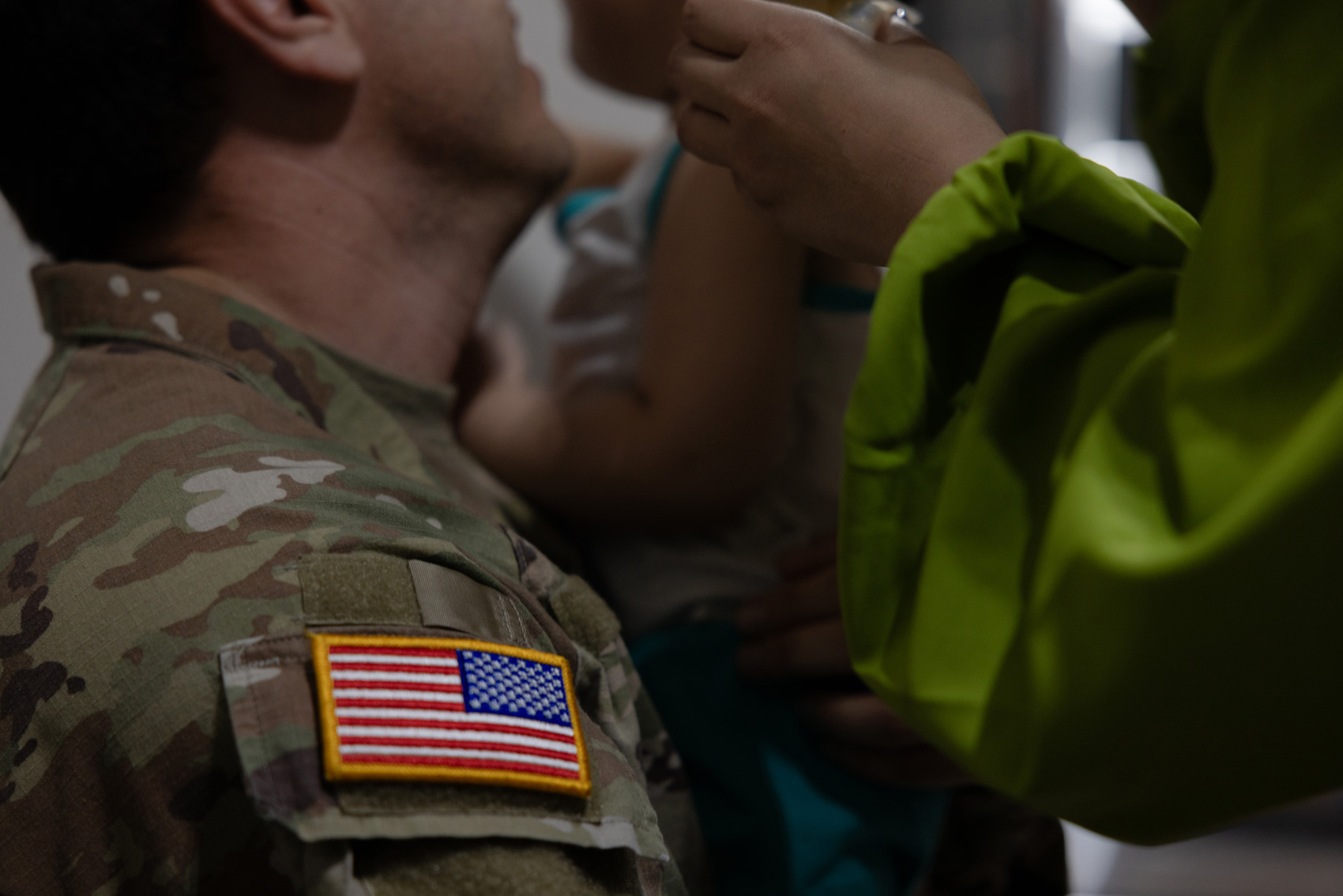
“I am hoping the president changes his mind,” said Mojo, a U.S. Army reservist who asked to be identified by his nickname to protect his sister in Afghanistan. “This country was literally made by refugees and immigrants.”
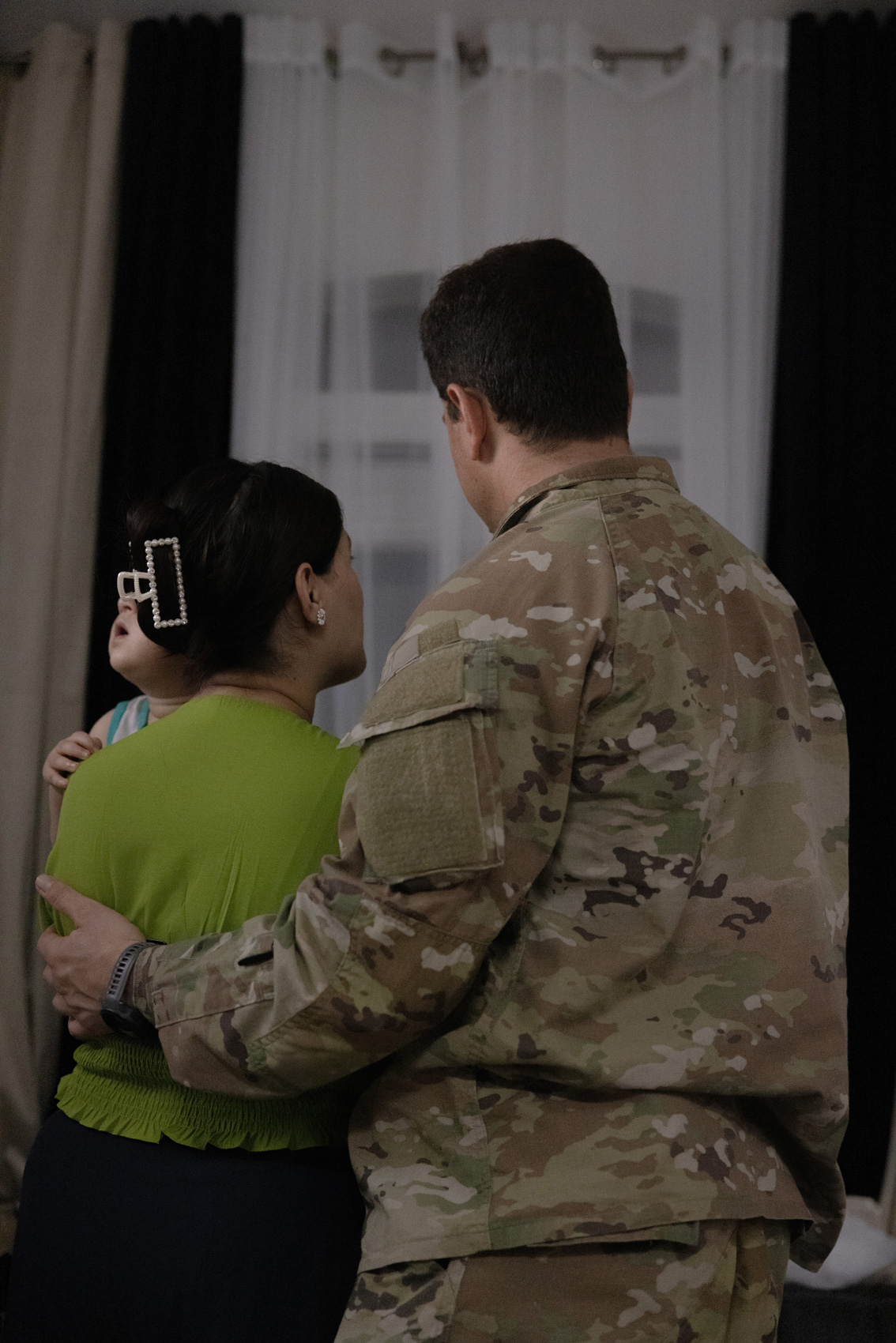
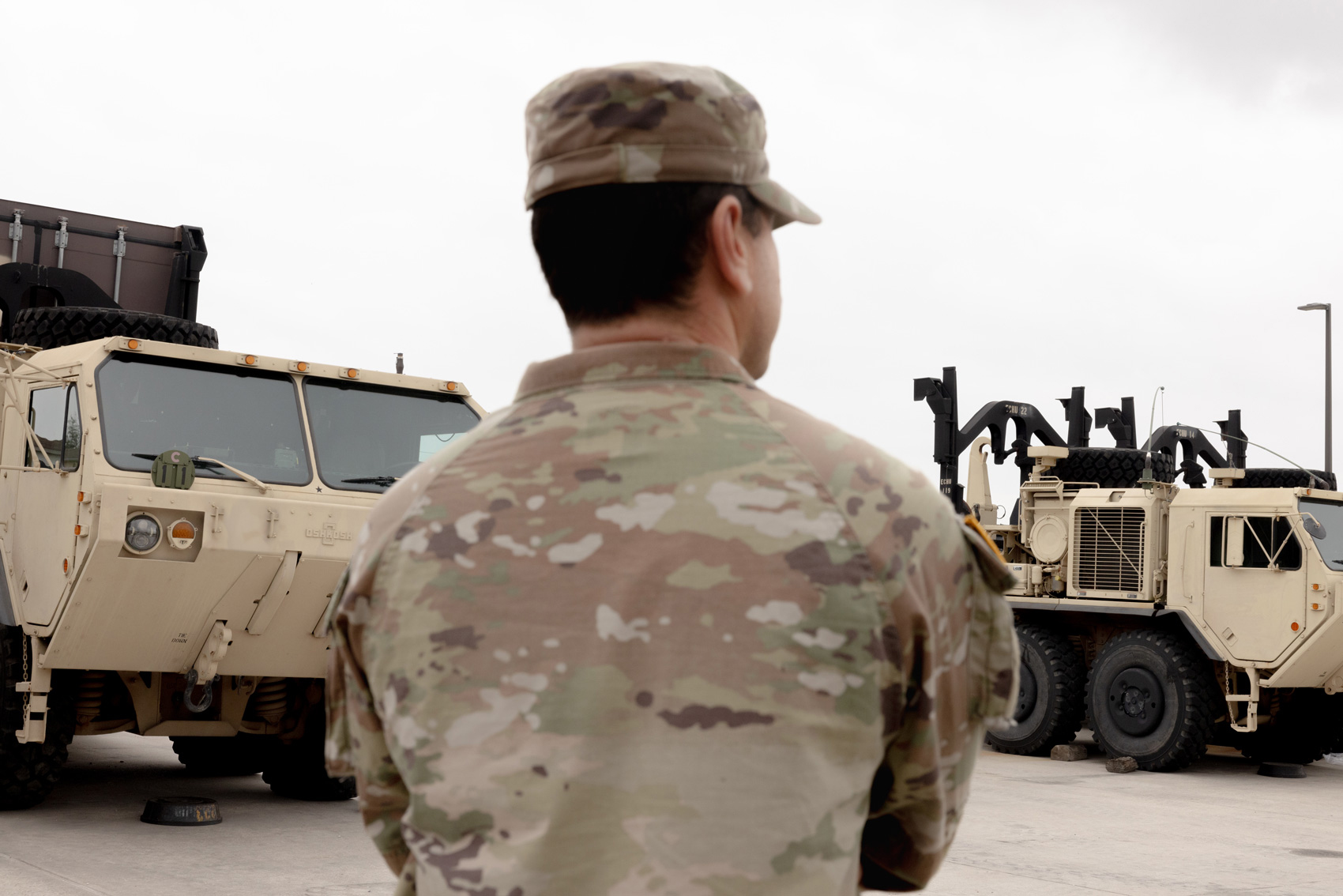
Zainab, 34, is among an estimated 60,000 Afghans whose future has been thrown into doubt by Trump’s actions. Mojo, 32, spent four years working as a linguist for the U.S. military in Afghanistan, where he repeatedly came under fire with American forces trying to beat back the Taliban insurgency.
Mojo and his wife flew out of Afghanistan on Aug. 1, 2021, two weeks before the U.S.-backed government in Kabul collapsed and the Taliban regained power after two decades. But Zainab was not able to leave the country amid the chaos. The Taliban turned up at the family home looking for Mojo and his brothers, who also worked as linguists for the American military, he said.
Zainab went into hiding while her brother worked for years with American officials to get her out of Afghanistan.
EARLIER: These are the top immigration changes affecting Houston in Trump’s first days
Trump made his criticism of the chaotic 2021 U.S. withdrawal from Afghanistan a key talking point during his 2024 presidential campaign. He castigated then-President Joe Biden for mishandling Afghanistan and asked relatives of American servicemembers killed during the withdrawal to speak at the Republican National Convention last summer.
Shawn VanDiver, a Navy veteran who founded #AfghanEvac, a nonprofit that helps Afghan refugees adjust to life in America, said the Trump administration has given no sign it plans to help Afghans who helped the UnitedStates over the last two decades.
“These are people that stood alongside us,” he said. “They fought a war for us and saved American lives. There’s no question that these folks should be able to come. The question is whether or not the president is going to let them.”



Houston became a central hub for Afghans who fled their country in 2021. Nearly 8,000 of the 90,000 Afghan refugees who have come to the United States since 2021 have resettled in Houston.
A close-knit network of Houston-based groups have provided them with a wide array of assistance, from rent money and food stamps to English lessons and help finding jobs. The Trump administration has put a freeze on federal funding for such groups, throwing refugee resettlement work into doubt.
In response, Catholic Charities of the Archdiocese of Galveston-Houston, one of the main Houston groups providing aid to Afghan refugees, said Tuesday that it had to shutter its refugee resettlement programs and lay off 120 staff members working on the projects.
“Catholic Charities has served the community for more than eight decades,” the group said. “Our commitment to our mission remains strong: to serve as people of faith helping people in need achieve self-sufficiency and live with dignity.”
The new administration also is singling out religious groups aiding refugees and accusing them of providing support for their own profit.
Vice President J.D. Vance has put a harsh spotlight on groups like Catholic Charities that have helped a million refugees over the past 50 years.
“Are they worried about humanitarian concerns? Or are they actually worried about their bottom line?” Vance said in an interview last month on CBS.
Elon Musk, the Tesla Motors CEO spearheading a polarizing effort for Trump to radically downsize the U.S. government, also has singled out federal funding going to refugee resettlement programs for special scrutiny, elevating a sense of fear among such groups across the country.
RELATED: Need immigration legal aid? These Houston organizations offer free and low-cost services
Jeff Watkins, chief International Initiatives Officer for the YMCA of Greater Houston, said the group was “dealing with high levels of ambiguity and uncertainty” that made it difficult to discuss its work.
One volunteer working with the YMCA said the group had stopped providing new refugees with rent money and food stamps.
“Everyone is afraid to speak,” said one Houston businessman who asked not to be identified, fearing that speaking out could hurt his business.
Trump directed his administration to decide by the end of April how to handle refugee resettlement programs.

Advocates like VanDiver are trying to rally support from sympathetic Republican lawmakers who may be willing to go to bat for Afghan refugees.
VanDiver said he is getting no sign the Trump administration is eager to resume the work.
“There’s nobody to meet with yet and it doesn’t feel like anybody would like to meet with us,” he said. “All we are getting is closed doors and no answers.”
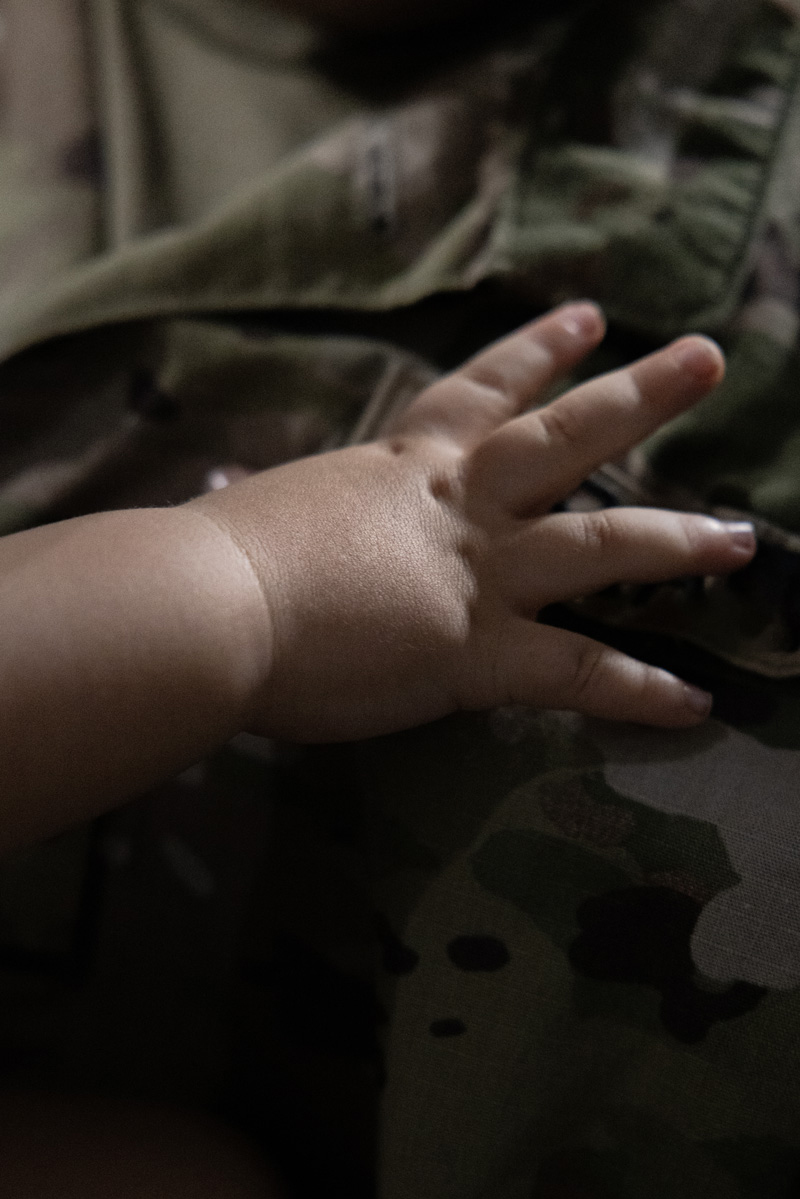
Mojo continues to serve in the U.S. Army reserves and is looking after his six-month-old son – born on Aug. 15, 2023 – two years to the day that the Taliban seized power.
“I’m feeling pretty bad,” he said last week. “He shouldn’t put all refugees under one rule. He should evaluate different people. All people are not the same.”
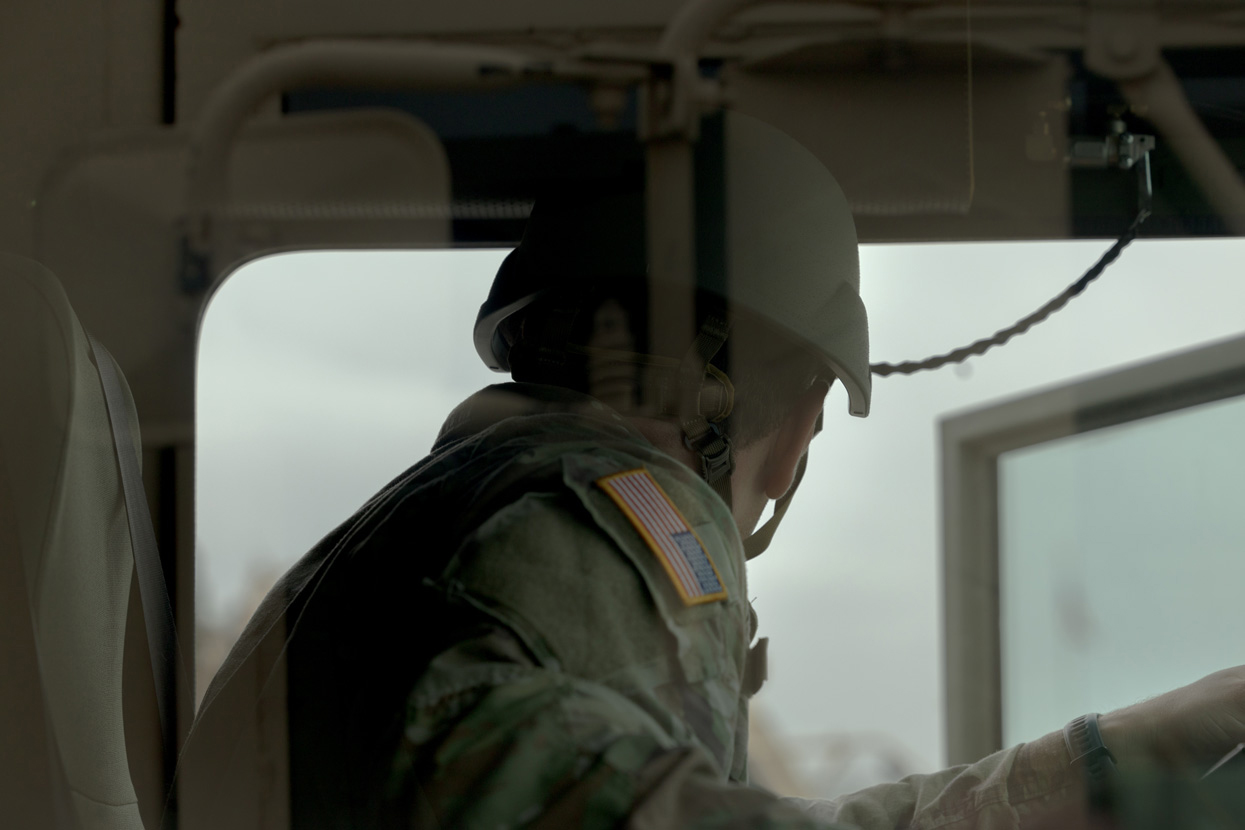
Editor’s Note: Images were edited to maintain anonymity.

