
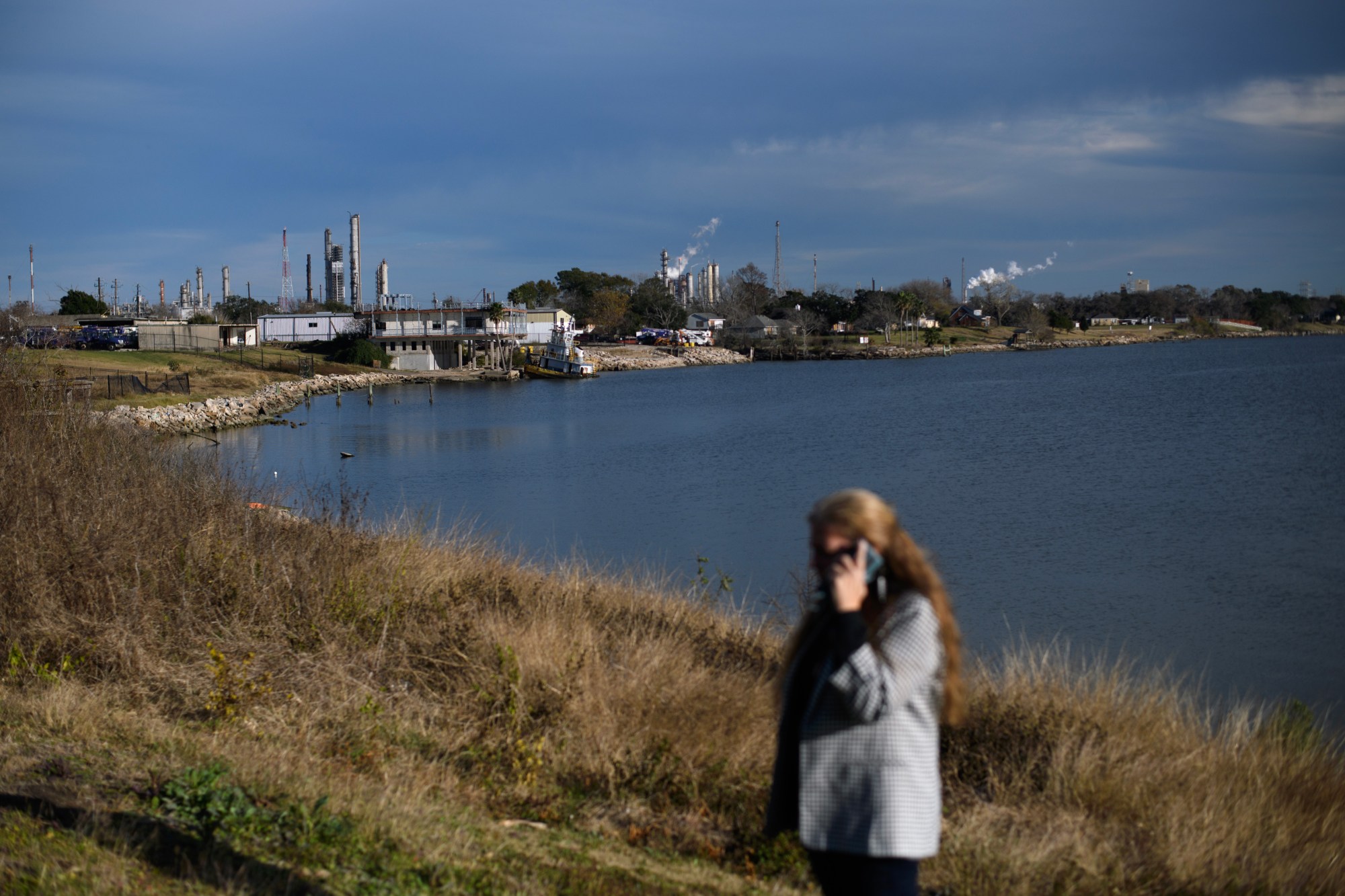

For Sharon Sprayberry, the columns of pipes and rising smoke of ExxonMobil’s refinery in Baytown have cast a shadow over her life. When she was a kid, a job at the refinery was how her father put food on the table. She believes it’s also the reason that she developed asthma at a young age. Decades later, when she moved back to Baytown, she became part of a lawsuit against ExxonMobil under the Clean Air Act and after a 15-year wait, in December 2024, she got the news that her side won.
“It was a great Christmas present,” said Sprayberry, now 75, in an interview with the Houston Landing.
The Fifth Circuit Court of Appeals affirmed in December a lower court ruling that ExxonMobil committed more than 16,000 violations of its air permits at the refinery, incurring at least one violation each day for more than 8 years from 2005 to 2013. These occurred when the company expelled chemicals — including known carcinogens such as benzene and volatile organic compounds — into the air at levels above the legal limit allowed by the facility’s air pollution permits.
These unauthorized emissions totaled nearly ten million pounds of pollutants, with 90 percent being substances that the Environmental Protection Agency determined could endanger public health, court documents show.
After multiple appeals, the full panel of 17 judges at the Fifth Circuit upheld a previous ruling to fine ExxonMobil $14.25 million for its violations. The case is the largest citizen-initiated lawsuit to enforce the Clean Air Act, and the decision has given hope to the plaintiffs and Baytown residents living near the refinery. ExxonMobil made $33.7 billion in earnings in 2024. If it chooses to continue the legal fight, the company has until mid-March to ask the U.S. Supreme Court to hear an appeal.
“We’re disappointed in this decision and we’re considering other legal options,” an ExxonMobil spokesperson said, in an email to the Landing.
The Environment Texas Citizen Lobby ruling vs. ExxonMobil ruling demonstrates that although it may take decades, residents can challenge industry when pollution impacts their lives. Yet, it also underscores the challenges in the relationship between the Houston area’s petrochemical giants and neighboring communities. Refineries and chemical plants across the shipping channel provide vital fuel to the local economy, but they often leave residents uneasy about the noise, abrasive smells and occasional explosions.
‘This air is not clean’
The ExxonMobil Baytown complex stretches 3,400 acres along the shipping channel about 25 miles east of Downtown Houston, where the company directly employs about 2,000 people. In addition to the refinery that can process 584,000 barrels of crude oil per day, the complex also houses chemical manufacturing and advanced recycling plants.
Sprayberry is not looking to get any money from the lawsuit personally. The $14.25 million penalty will go to the EPA. Instead, her motivations revolve around the precedent the case could set. “The importance of the case is the legal standing for citizens to speak up and say, this air is not clean this, and this is why, and this is what needs to be done to rectify that,“ she said.
Behind Sprayberry’s motivations are her own health challenges that she links to living in Baytown.
“I had lived in the area, moved away, and then come back, and I could see the changes in my health,” Sprayberry said.
At only three months old, Sprayberry was diagnosed with asthma. Her breathing problems did not go away until age 18 when she moved from near the refinery in Baytown to Waco, where she attended Baylor University. She chose that location in part because she knew from visiting her great-grandparents in Waco that it was easier to breathe the air there.
“The day I moved into my dorm, I breathed wonderful, and I never used any asthma medication for the whole four years I was there,” she said.
She went on to have a career in the Navy and then as a technology officer for public school districts, which eventually brought her back to Baytown in 2004. Breathing in what she described as a “sulfur-like chemical smell,” her asthma flared up again after more than 35 years without any problems.



Around the same time Sprayberry was moving back to Baytown, Environment Texas, a nonprofit that advocates for clean air, water, parks and taking action on climate change, was examining self-reported emissions data from ExxonMobil and other petrochemical companies in the area. They found numerous unintended emissions events exceeding legal pollution limits, which can be caused by equipment malfunctions, pressure build-ups and natural disasters. But the state regulatory agency, the Texas Commission on Environmental Quality, would not take action against the company, Luke Metzger, Executive Director for Environment Texas said in an interview.
“We decided that we needed to hold the polluters accountable ourselves,” Metzger said.
TCEQ fined ExxonMobil over $1.3 million for 36 air violations discovered at the Baytown refinery from 2005 to 2013. In an email to the landing, TCEQ described their enforcement process but did not respond to specific questions about the case.
Environment Texas, along with the Sierra Club, filed a lawsuit on behalf of the group’s members living in Baytown, including Sprayberry, using a section of the Clean Air Act that allows citizens to take legal action when they believe regulatory agencies are failing to enforce the law.
Environment Texas filed similar suits against Shell and Chevron Phillips for air permit violations at their facilities in the Houston area. Both of those companies agreed to settle the cases in 2009 and 2010, pay a combined $7.8 million and install better pollution controls, which resulted in a 95% reduction in major unplanned emissions, Metzger said.
Lingering questions about emissions
Throughout the eight-year period covered by the lawsuit, court documents show that ExxonMobil did make investments to improve pollution controls in Baytown. The company spent more than $6 billion on facility maintenance and measures to better comply with environmental regulations. And by 2013 the amount of unauthorized emissions had decreased 95% from 2006 levels, according to a dissenting opinion signed by eight judges at the Fifth Circuit.
Lawyers for Environment Texas are skeptical of these amounts but they acknowledge that ExxonMobil did make significant investments that lowered emissions. However, Metzger said that many investments occurred after the lawsuit was filed and overall air pollution reductions were only temporary.
Several key pollutants at the refinery have increased since 2013, according to EPA data. In 2021, the most recent year with facility-level data available, the amount of benzene emitted at the refinery was up 60 percent compared to 2013. Emissions of the compound 1,3-Butadiene, which along with benzene is listed as a carcinogen by the National Institute of Health, went up 78 percent over the same period.
Emissions of toluene, which can cause eye irritation, trouble breathing, dizziness, and nausea, increased by a staggering 449 percent in the same period.
As the company looks to appeal the latest ruling, it also continues to expand its Baytown complex, and some residents and environmental groups believe ExxonMobil is still not doing enough to prevent excessive pollution.
“Unfortunately, we have not seen a dramatic improvement in ExxonMobil being a good neighbor in regards to air emissions,” said Executive Director of Air Alliance Houston Jennifer Hadayia. “Very little has changed.”
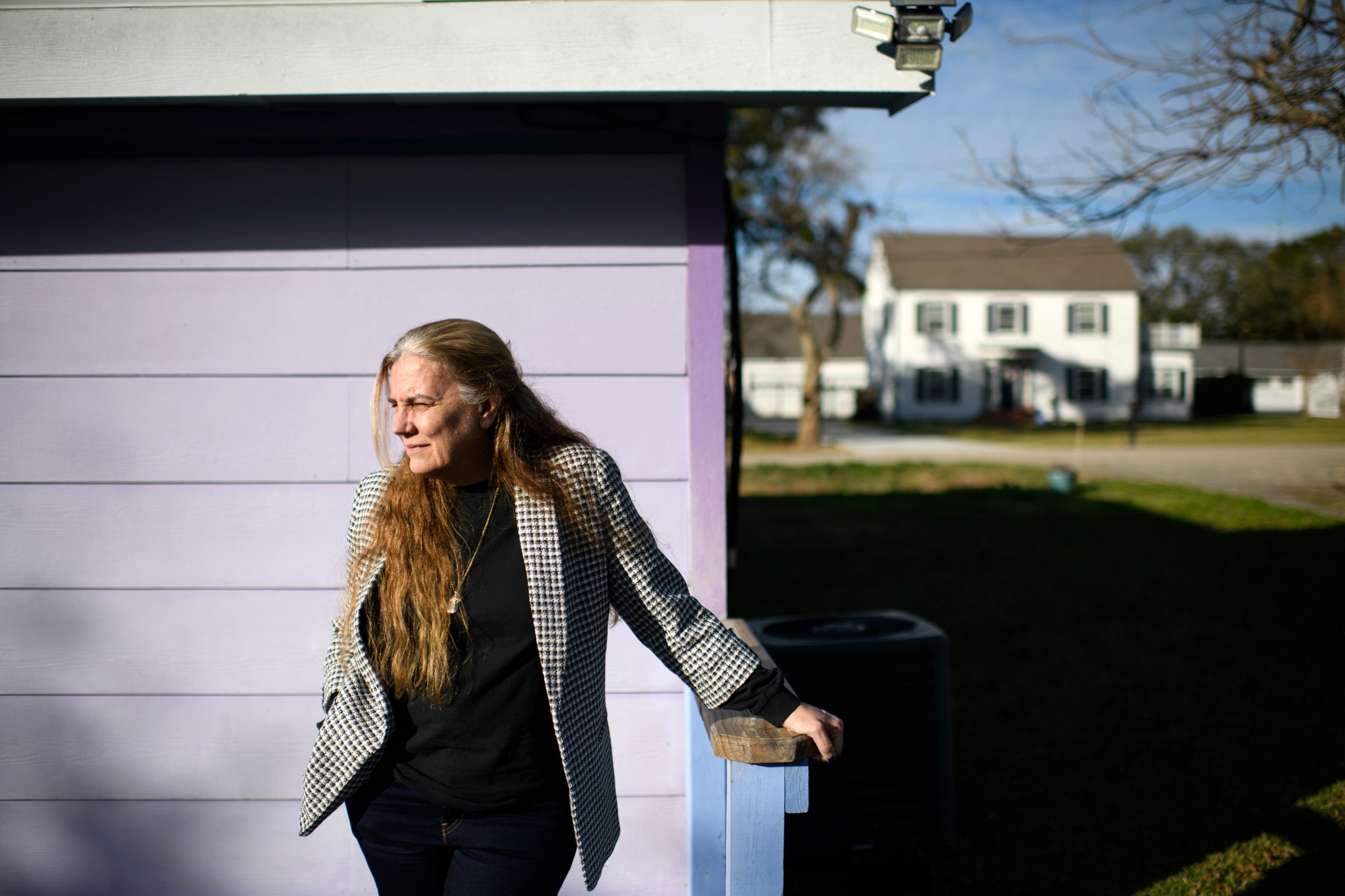
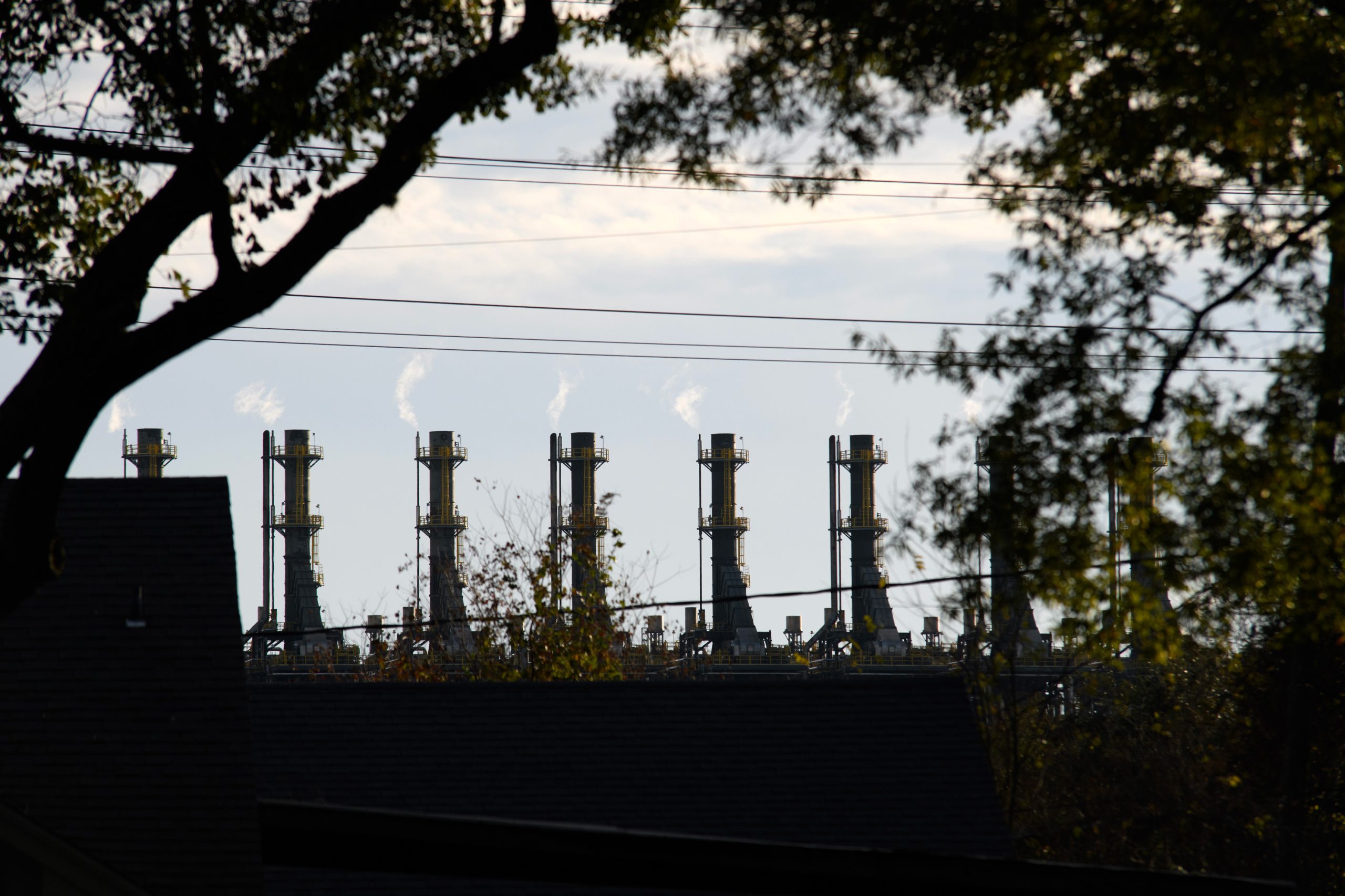
ExxonMobil’s Baytown complex was named by Air Alliance Houston near the top of its “Dirty Dozen” in a 2024 report that compared the largest sources of air pollution in the Houston area using the most recent five years of data from the EPA and TCEQ.
“Being a good neighbor is our priority. We remain focused on reducing emissions from our Baytown site and improving air quality in the community while providing the products that society relies on,” said a spokesperson for ExxonMobil in a statement to the Landing. “We strive to comply with all applicable regulations across our operations.”
Baytown resident Theresa Blackwood’s concern over air pollution has led her to keep a log of incidents — whether its strong smells, vibrations or loud noises — that she notices from her home, less than a mile from the edge of ExxonMobil’s property.
If she goes outside at the wrong time, bad smells affect multiple parts of her body; “Your eyes will burn. Your throat can burn,” Blackwood said. “It’s not announced, so when you walk out, you don’t know what you’re walking out to.”
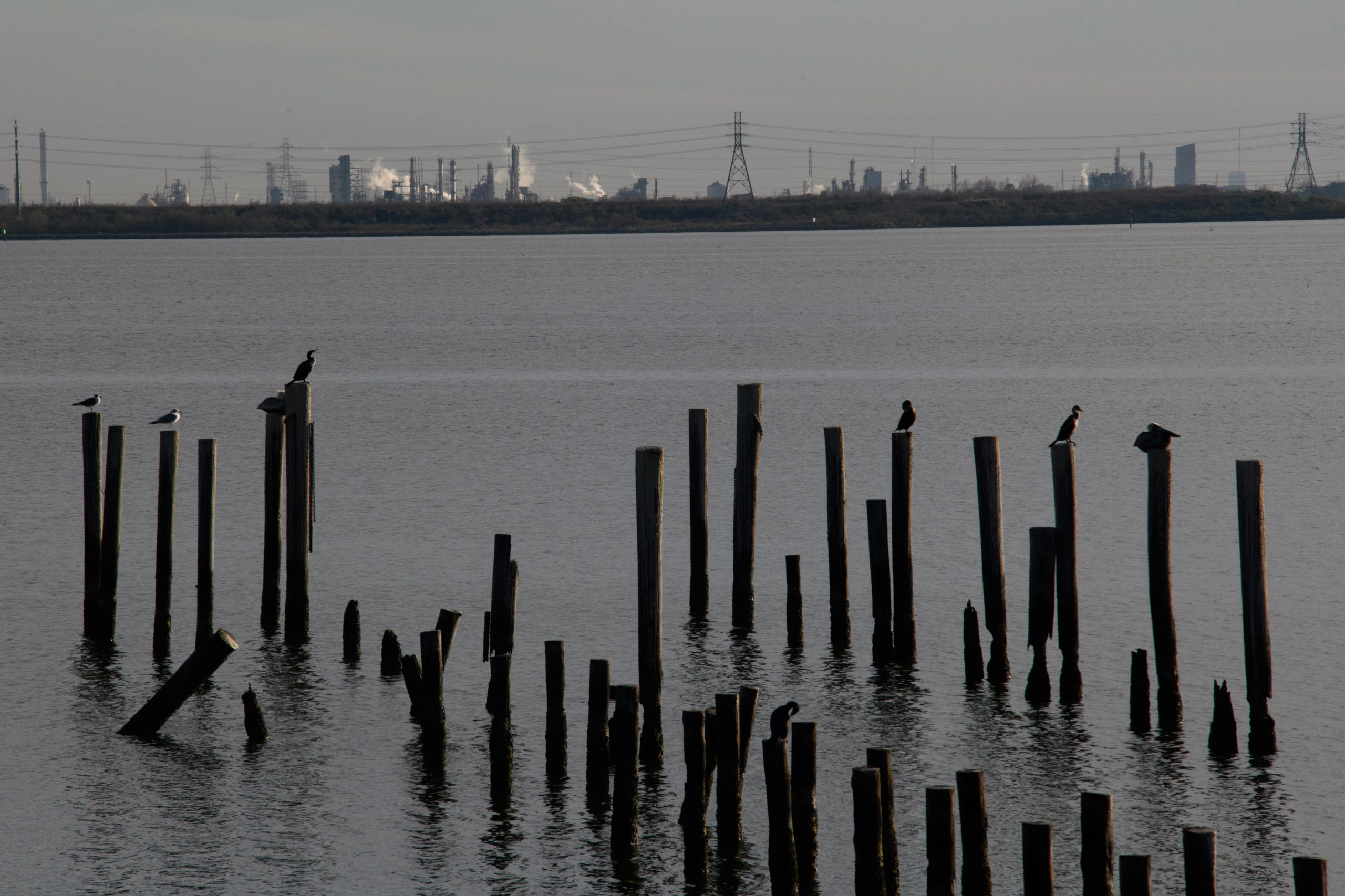
Blackwood, 58, had moved 27 times in her life before settling in Baytown, and she said she loves her home on the shipping channel. “I watch ships all day long,” she said. “For me, it looks like Christmas lights. Oh my god, it’s so beautiful.”
However, when foul odors overtake her home, Blackwood worries about long-term health effects because she doesn’t know what she is breathing in. Although she was not involved in the lawsuit, the court decision is exciting and gives her a sense of hope that standing up to ExxonMobil could be worth it.
“Exxon knows that the public is watching,” she said. “They need to be more transparent.”
Correction: This story has been updated to reflect the fact that from 2005 to 2013, TCEQ issued 36 violations and $1,358,745 in penalties against ExxonMobil’s Baytown refinery.

