

Each week, “Answer Key” aims to help families by responding to an important question about education and schools in Greater Houston. If you have a question for us to answer, please email us at education@houstonlanding.org or fill out the form at the end of this article.

This week’s question:
If school voucher legislation is passed, what is the predicted outcome on enrollment and capacity at private schools over the next 10 years?
— Katie Crosby, parent
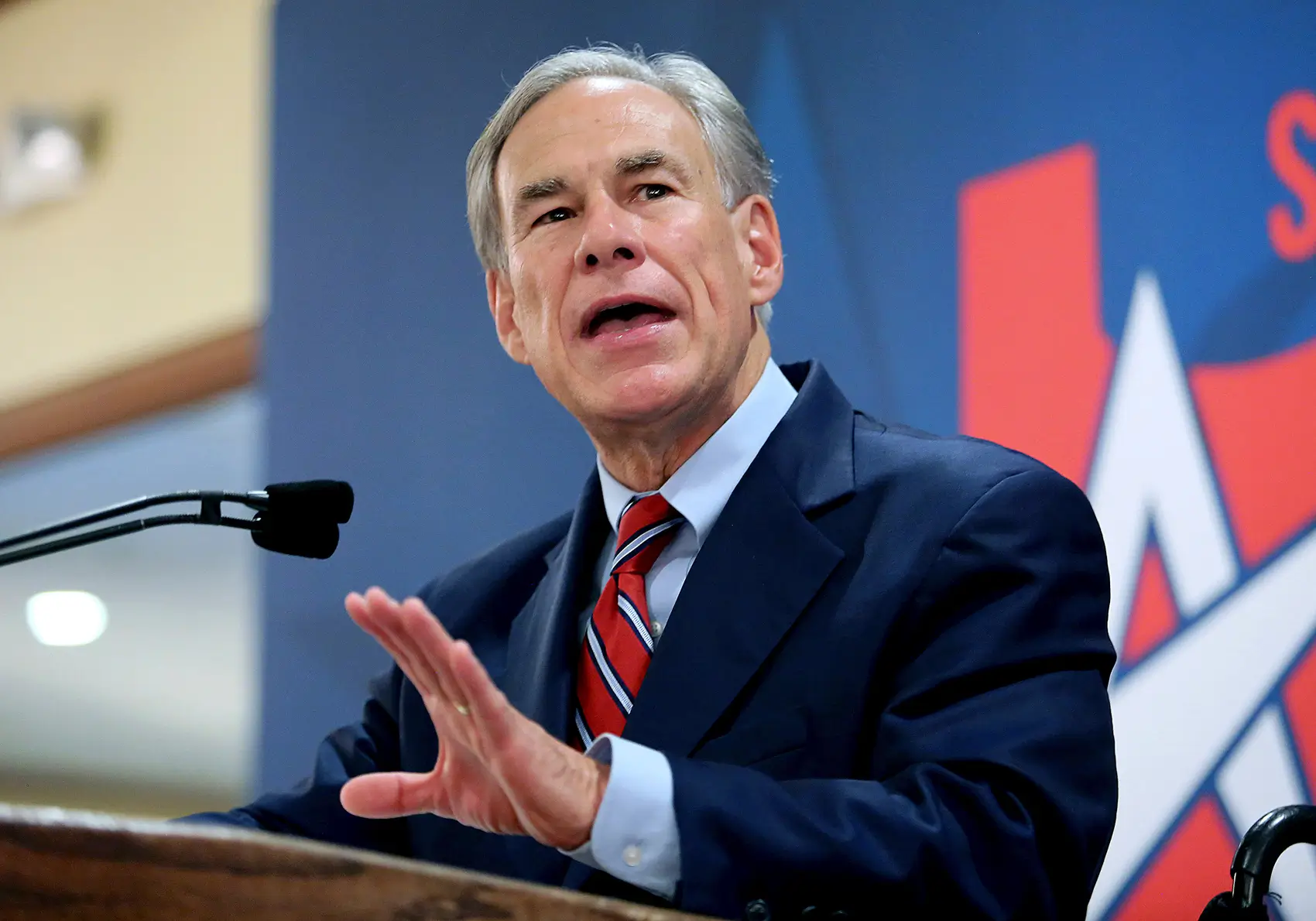
After Gov. Greg Abbott fast-tracked school voucher legislation as a top priority this legislative session, school vouchers, also known as education savings accounts, could soon be reality. The controversial bill would allow families to use state funds to pay for private school tuition or home schooling.
The Texas Senate and House have introduced separate but similar bills dedicating $1 billion to vouchers. The Senate passed its version in early February, while the House introduced its own version Thursday.
Supporters argue that education savings accounts will empower families to seek out the best education in their area. Critics say the legislation will hollow out Texas’ already struggling public schools and do little to benefit rural students and students with disabilities.
But how would the sweeping legislation reshape the state’s private schools? That depends on the Legislature and private schools’ openness to students with vouchers.
How many students are expected to enroll in private schools in the first year of vouchers?
That would ultimately depend on multiple factors, including:
- How many families apply for vouchers
- The household income of families that apply
- Private schools’ capacity
- How many private schools decide to admit students who use vouchers, and how many students they accept
- The ultimate details of any legislation passed by Texas lawmakers
The Senate’s bill sets aside $1 billion for education savings accounts in fiscal 2027, the first year that families would get vouchers, with students attending private school receiving $10,000 to $12,500 and homeschool students getting $2,000.
The Legislative Budget Board, which is responsible for analyzing the potential financial impact of legislation, estimates about 24,500 of the state’s 5.5 million public school students would switch to private schools in 2027. Another 10,500 of Texas’ estimated 560,000 homeschool students also would enroll in private schools.
The analysis doesn’t specify how many of Texas’ estimated 350,000 students already attending private school would get vouchers, though the LBB analysis assumes that half of them would apply.
LBB officials also estimate that roughly half of the state’s homeschool students would receive the $2,000 benefit, an amount totaling $539 million.
The LBB declined to comment on how it calculated its estimates, referring additional questions to the Texas Education Agency. The TEA declined to comment on pending legislation. The office of the Senate bill’s author, Sen. Brandon Creighton, R-Conroe, didn’t respond to a request for comment.
The House’s voucher bill is more complicated than the Senate’s version, largely because it ties the voucher amount to public education funding. The Texas Tribune reported last week that a typical or average amount of a voucher wasn’t immediately clear.
The LBB hasn’t done a fiscal analysis of the House bill.
related to education
Answer Key: Could my child get school vouchers under proposed Texas plan?
by Asher Lehrer-Small / Staff Writer
How many students are expected to enroll in private schools over the next several years?
That largely depends on how much money the Texas Legislature is willing to spend on vouchers beyond 2027 and how many students private schools admit.
While the House and Senate bills both provide $1 billion for vouchers in fiscal 2027, neither bill pledges money beyond that.
The LBB fiscal analysis of the Senate bill projects that the state “could” spend $4.6 billion on vouchers in fiscal 2030 as the program grows, with an estimated 98,000 students leaving public schools for private schools. However, reaching that total would require the Texas Legislature increasing the state’s investment in vouchers when they return to session in 2027 and 2029.
Laura Colangelo, the executive director of the Texas Private School Association, questioned how the LBB arrived at its multibillion-dollar estimate.
“I don’t know where they got those numbers, so I haven’t put much stock in that at this point,” Colangelo said.
How much room is there in private schools for new students?
Colangelo said there are about 70,000 to 75,000 open seats in accredited private schools across the state.
“Right now, there do appear to be about enough open seats,” Colangelo said. “Now, will a seat be a fit for a child that’s applying for an (education savings account)? That we can’t know. Some will, certainly, but it is a bit of a guessing game right now.”
For now, the Texas Legislative Budget Board assumes that private school capacity “could increase by 10 percent of current enrollment each year.” The analysis didn’t specify current private school capacity.
Colangelo said she doesn’t expect private schools to quickly start construction projects to expand capacity and accept large numbers of students with vouchers. In 2023, as the Texas Legislature debated voucher legislation that ultimately didn’t pass, several private school leaders told the Houston Landing that they had no immediate plans to grow.
“I don’t think schools are thinking of large-scale changes and admitting hundreds of (education savings account) students, because that’s just not realistic,” Colangelo said. “So we’re thinking of incremental steps they could take to prepare.”

related to education
A shorter summer vacation? These Houston schools tried it — and not everyone got on board.
by Brooke Kushwaha / Staff Writer
How are private schools across Texas preparing for the increase in applicants?
Some private schools are more prepared to communicate to parents about voucher options than others, Colangelo said. For instance, Texas’ Catholic schools have made inroads with local organizations that do outreach to families of current public school students about voucher opportunities, she said.
In some cases, smaller private schools with fewer resources are preparing not for an increase in students, but for a potentially more diverse pool of applicants with different needs, Colangelo said.
On the other hand, private schools with larger endowments and existing scholarship funds for lower-income families — such as Houston’s Kinkaid and St. John’s schools — may not see an immediate need to accept families using vouchers, she said.
Correction, Feb. 24: An earlier version of this story mischaracterized a comment by Laura Colangelo about Texas’ Catholic schools and their relationships with organizations doing outreach work.
Brooke Kushwaha covers Aldine, Alief, Pasadena and Spring ISDs for the Landing’s education team. Find her @BrookeKushwaha on X and Bluesky, or reach her directly at brooke@houstonlanding.org.

