


More than 30 community organizations are advocating for a voice in how Houston spends $314 million in federal disaster relief funds following last year’s destructive storms, representation they say residents lacked when the city distributed housing dollars after Hurricane Harvey.
In a letter to City Council Tuesday, the groups offered several recommendations on how the city can avoid mistakes made following previous disasters like Hurricane Harvey when they say residents were left unserved and without resilient homes.
“Houstonians have learned a great deal from the natural disasters the city has faced – our government should capitalize on these hard lessons and work toward an improved, informed recovery,” the groups said in the letter.
The U.S. Department of Housing and Urban Development announced new disaster recovery funds in January in response to the May 2024 derecho and Hurricane Beryl last July. Harris County received a separate $67 million.
Houston has yet to release how the funds will be used.
Members of Texas Housers and the Northeast Action Collective told City Council on Tuesday they wanted Houston to form a citizen advisory committee to help decide how to provide equitable relief to homeowners, renters and those at the lowest income levels.
“We’re the ones that survived this,” said Doris Brown, a Houston resident for 72 years and co-founder of the Northeast Action Collective. “We need to let everyone know that we can all do this together. Everybody. Houston can come back.”
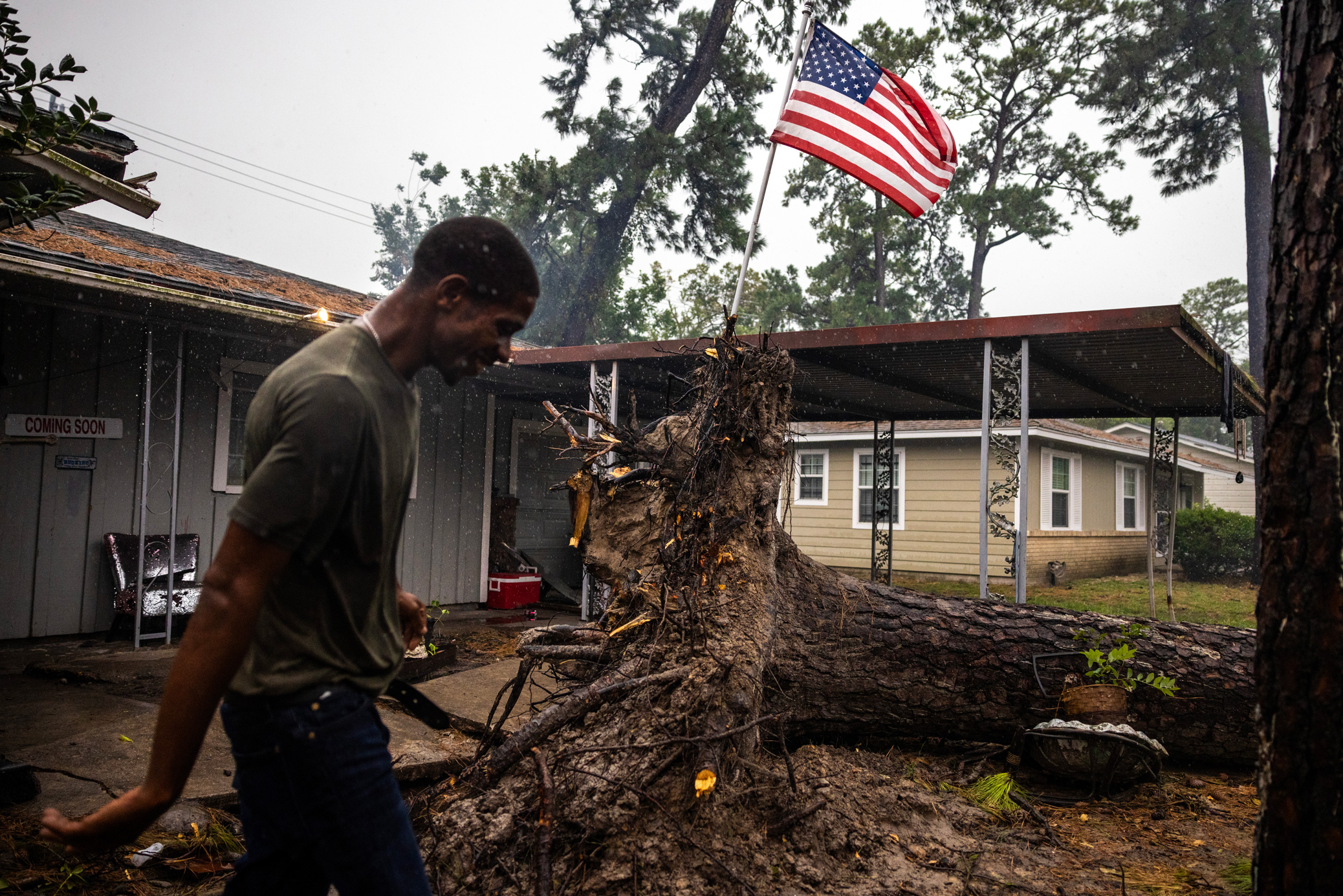
Mayor John Whitmire’s office did not immediately respond to questions about whether his administration will consider the groups’ request and recommendations. Spokesperson Mary Benton said HUD has specific guidelines regarding how and when the city must submit an action plan and hold public hearings.
RELATED: Poor drainage leaves northeast Houston residents with full ditches, flooded homes after Beryl
Homes built after Hurricane Harvey meant to stand against future storms were built in areas without resilient infrastructure, Brown said. She called for fairness, transparency and accountability for the next round of disaster spending.
“We stand behind this, and if we have to be here every day, we will be down here every day, every week, until someone does the right thing,” Brown said.
Harvey housing woes
Houston faced a number of challenges and criticism when allocating federal relief funds following Hurricane Harvey.
The Texas General Land Office initially did not allocate any of $1 billion in federal funds to Houston or Harris County for flood mitigation, which resulted in an ongoing Department of Justice investigation.
Houston additionally struggled to meet deadlines for more than $1 billion in HUD funding to repair and replace housing damaged by Harvey. Saying the city was moving too slowly and had failed to meet benchmarks for disbursing the funding, the General Land Office clawed back millions, leaving $665 million for housing repairs or replacements. The state last April gave the city an additional two years to spend the remaining funds.
The city since has announced plans to reopen its Harvey Homebuyer Assistance Program for people who resided in Houston in 2017 and meet the income requirements.
The Houston Housing and Community Development Department did not immediately respond to questions about how much funding remains available.
RELATED: Photo essay: Hurricane Beryl’s aftermath in Houston, documented
Julia Orduna, the Southeast Texas regional director of Texas Housers, said she moved to Houston in 2019, because of its need for disaster relief following Harvey. She said both the city and the Texas General Land Office prioritized the administration of the funds over their implementation, and she hoped to avoid a similar situation moving forward.
“There have been homes that were built before Hurricane Beryl with this (disaster relief) money, who got significant damage during the hurricane,” Orduna said Tuesday. “So, to say that we are building resilient homes in the city of Houston is not true entirely.”
Community inclusion
Orduna said she initially was told the city would release its action plan for spending the latest disaster funds and host a community meeting on Wednesday. The mayor’s office did not confirm HUD’s deadline to turn in the action plan or any upcoming community meetings.
The community groups, which included superneighborhoods, housing and environmental advocates, said they want to be included in the creation and oversight of the plan to ensure the residents most affected by the storms are prioritized.

“In my experience in working with applicants and program administrators, both parties are often burnt out by a system without transparency and proper communication,” Orduna said. “These systems need a human connection, one that operates in understanding and empathy. This makes hiring survivors as case managers key to applicants’ care.”
Recommendations included in the letter fall predominantly in three categories for homeowners, renters and infrastructure. Among them:
- Homeowners should have choices in how they move forward, whether by buyouts or rebuilding.
- Homeowners should be able to choose their own contractors from a city-approved list. Those contractors must use high-quality materials to ensure a resilient structure.
- The funds should help create affordable housing for residents of varying income levels.
- Relief funds should go to renters affected by the storms directly, instead of landlords or private developers. The groups suggested allocating money for rent reimbursement programs, storage units, relocation assistance and security deposits.
- The city must enforce better building standards for multi-family housing.
- The city should only pursue infrastructure projects after coordination with immediate residents.

