
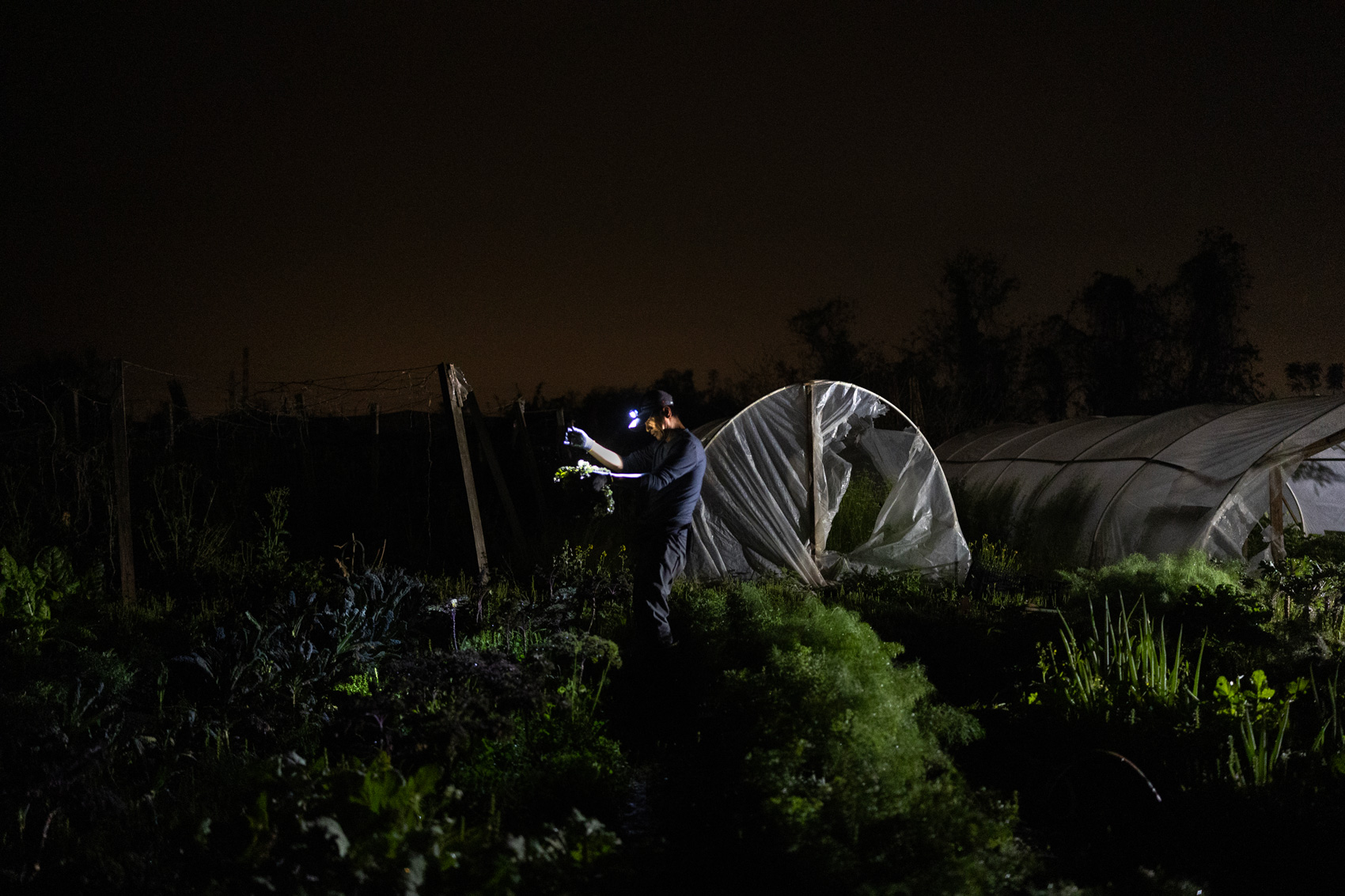

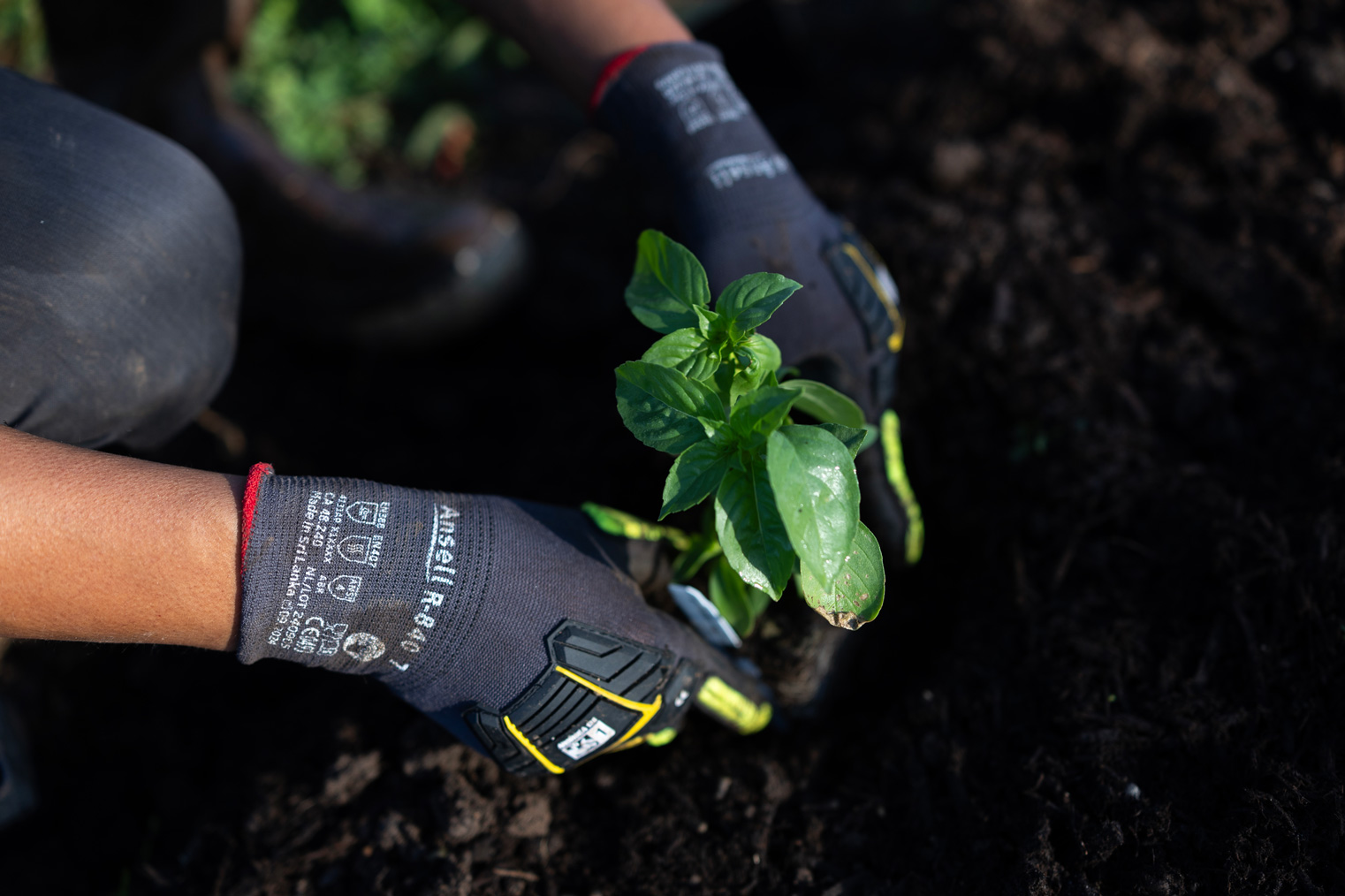
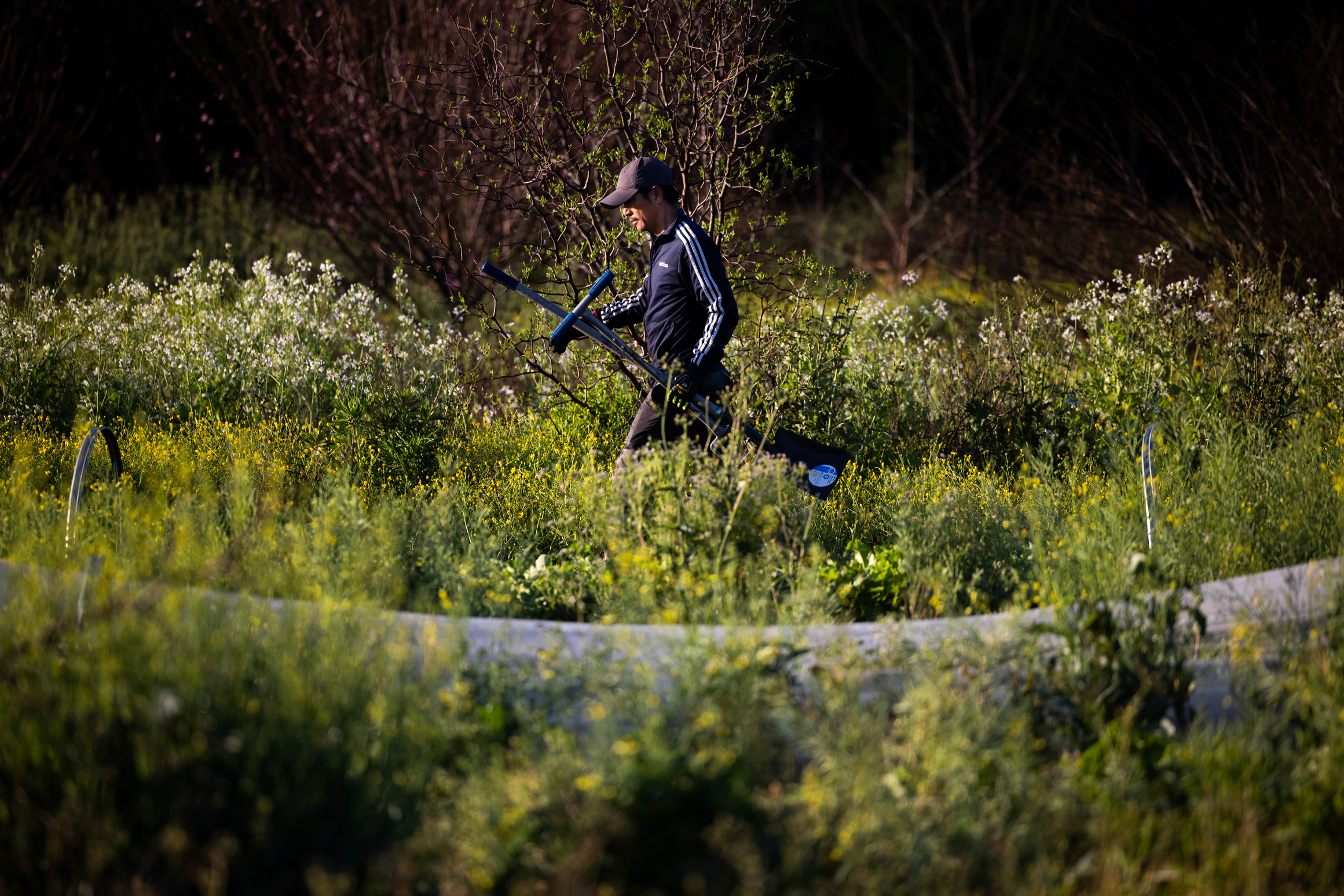
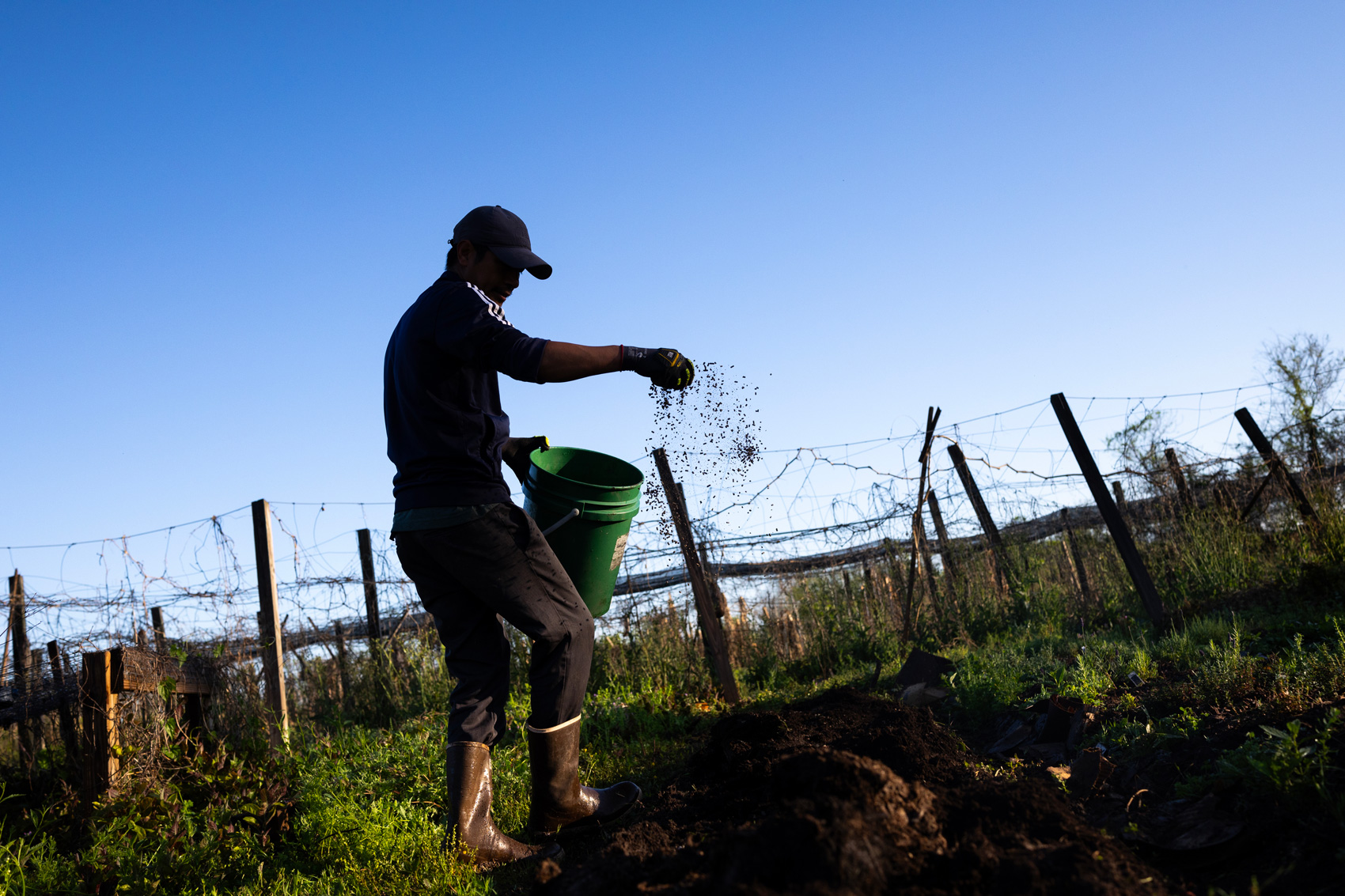
The sun is just peaking over the horizon when Van Thawng starts his day. He pulls on his gloves and his rain boots, a baseball cap and a light jacket and takes off at a brisk pace through his 4.6-acre farm southwest of Houston. He is watering, tilling and pulling weeds for the next couple hours – even planting an entire row of herbs before the sun is fully up.
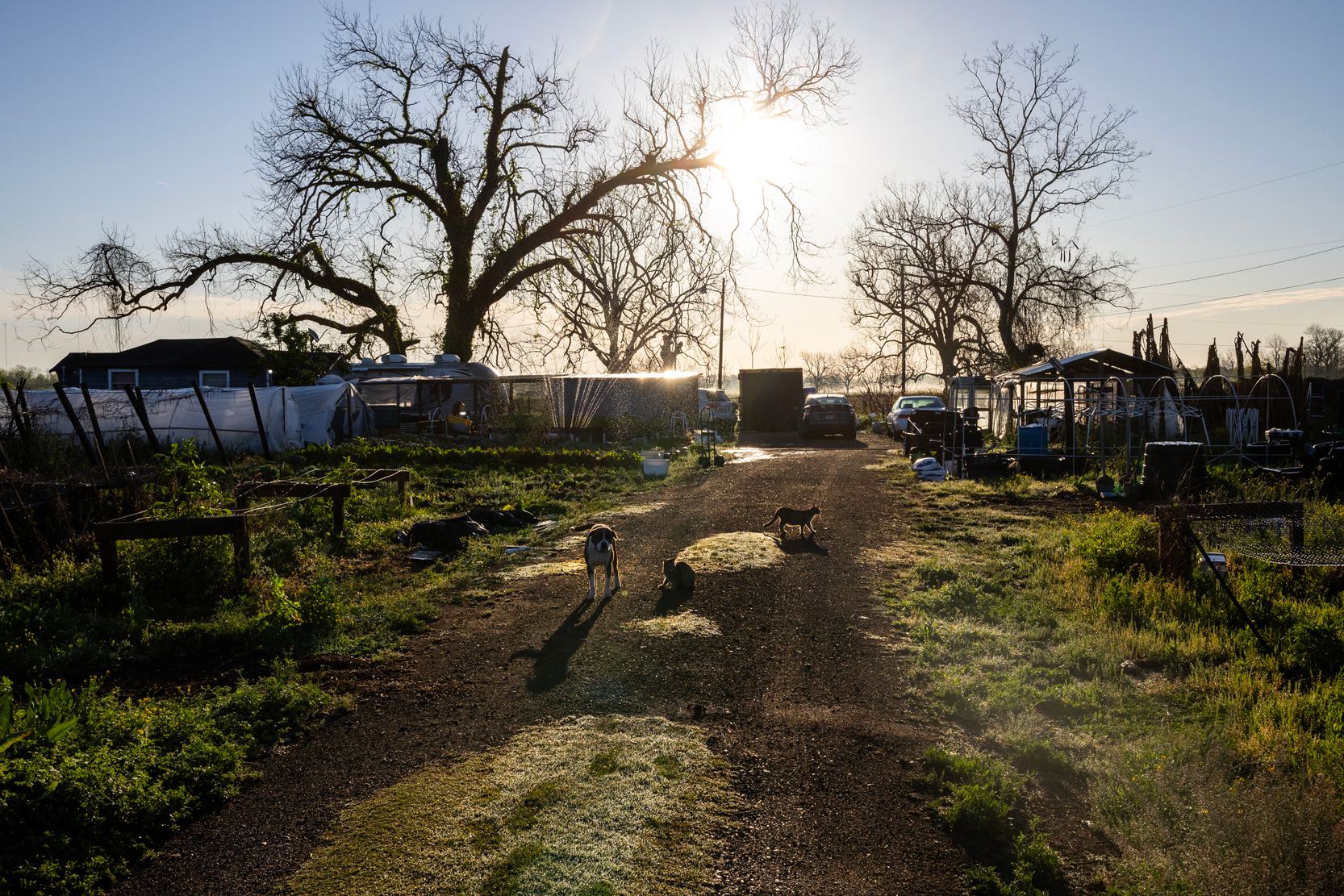
Thawng says he purchased this property about a year and a half ago to connect with the land. Previously, the 48-year-old had worked in restaurants and before that he had been a criminal lawyer in his home country of Burma. This work – farming – was fresh and new.
“I want to support my community with vegetables and other healthy foods,” Thawng said. “I also want my kids to get to know the land too, a kind of backyard garden to family kitchen so they can understand that process.”
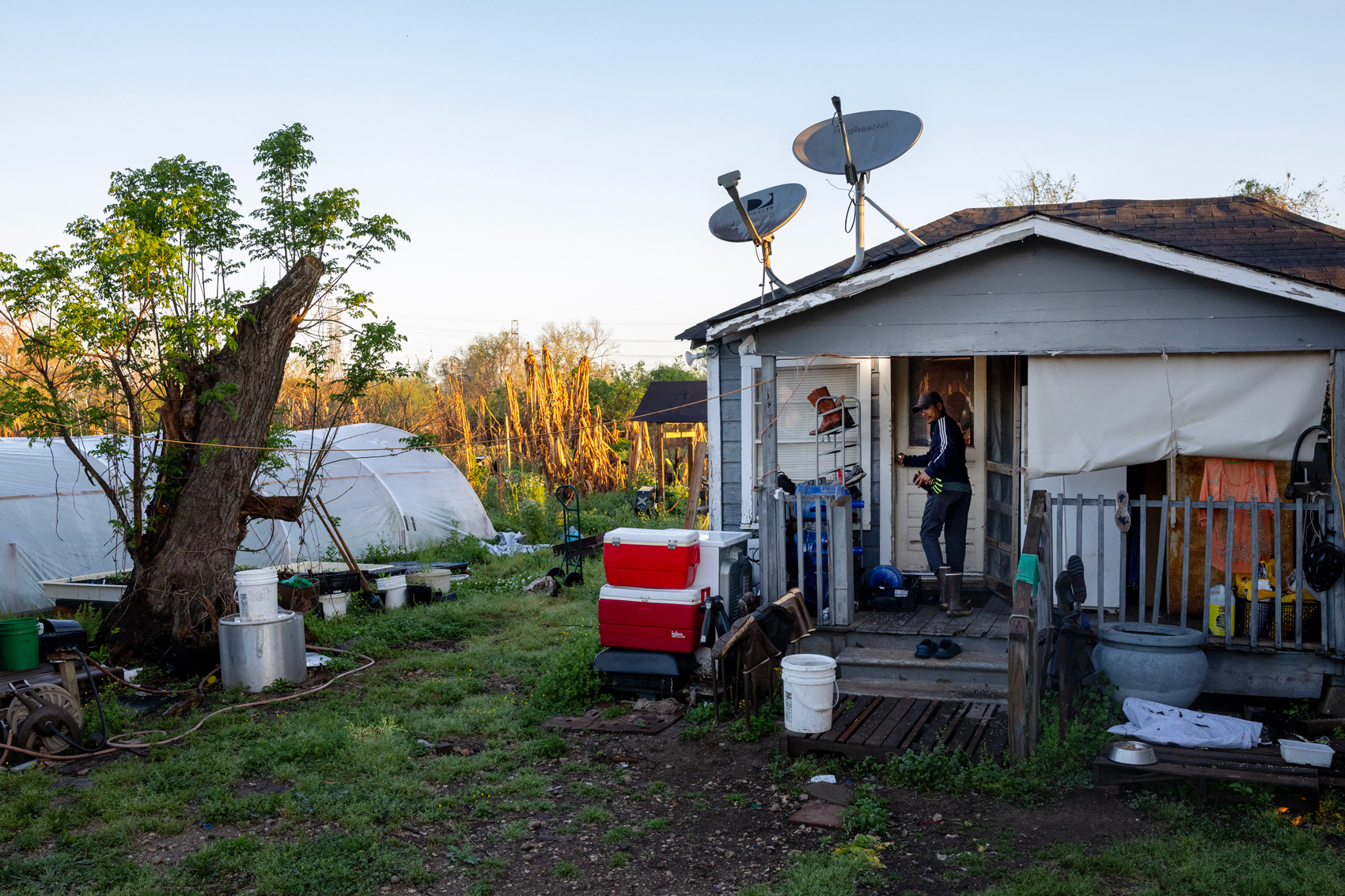
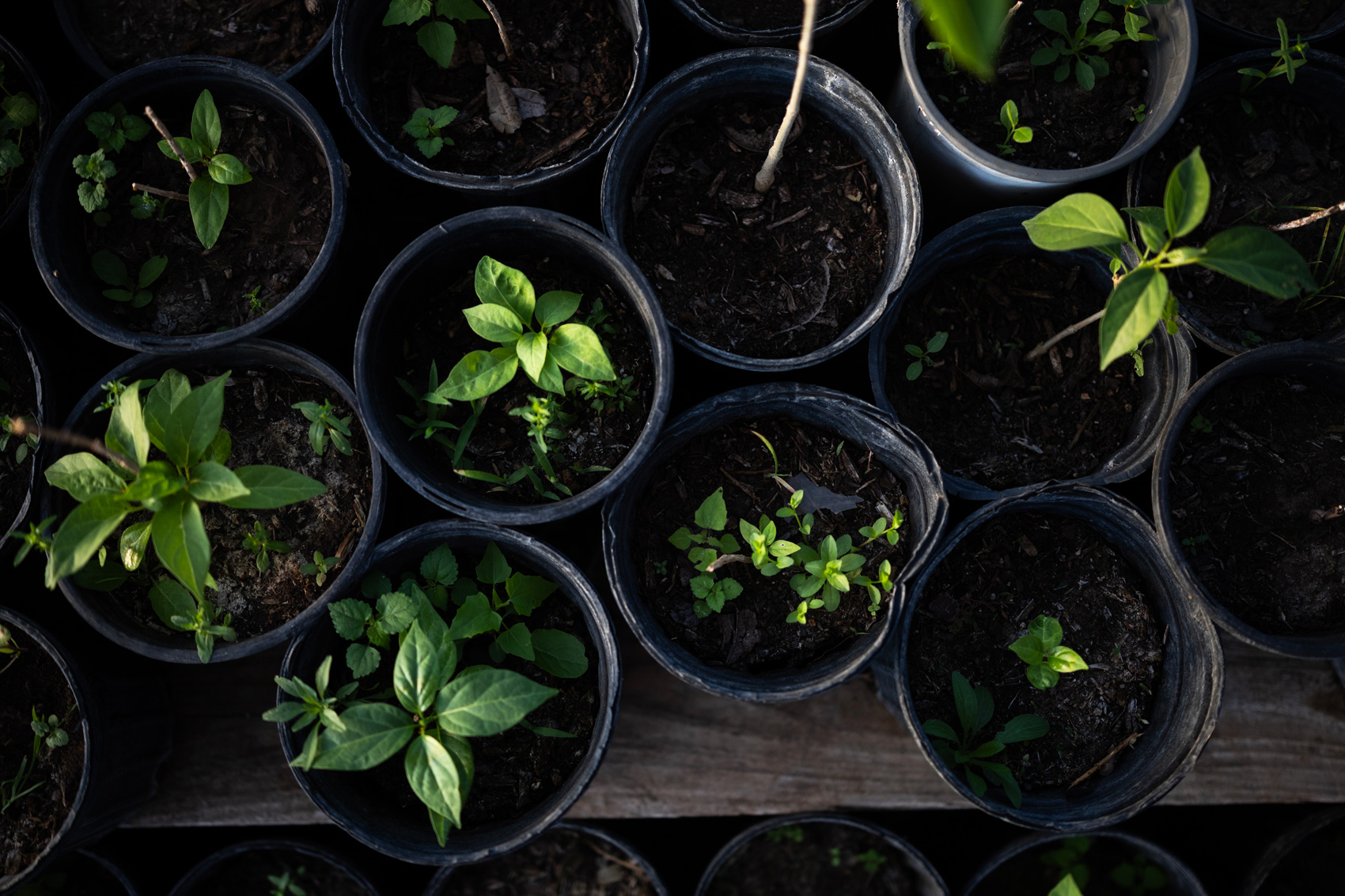
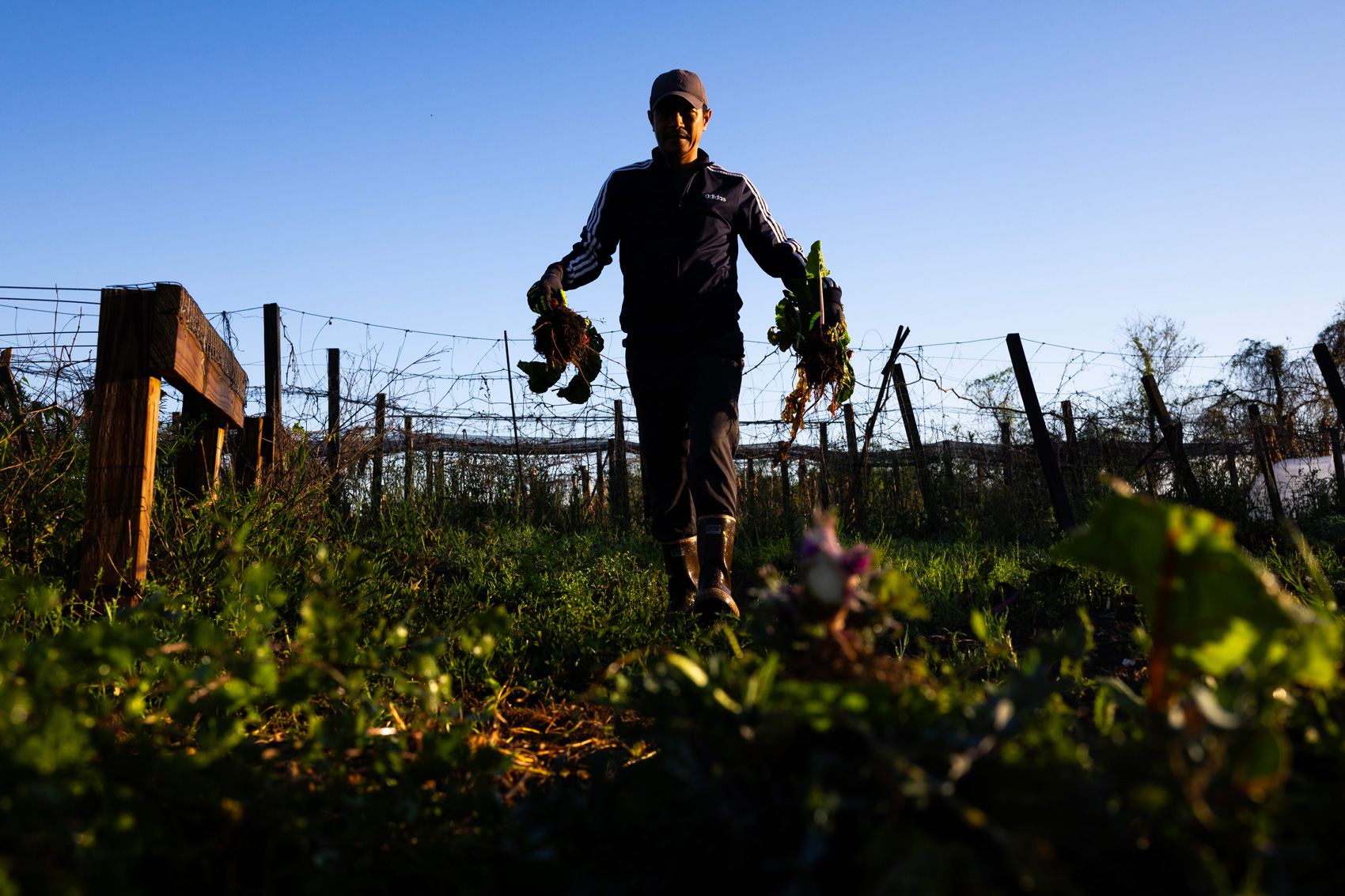
Thawng is not the only one looking for a fresh start. Just in March, six students – including Thawng – graduated from a year-long farming class offered by Plant It Forward. The non-profit works with refugees in Houston who are interested in agriculture by teaching them farming basics and partnering them with active Houston farmers. Thawng’s apprenticeship class began in 2024 with six students and the next one will begin at the end of the summer with four.
Since the program began in 2011, over 80 new farmers have participated in the training. The plan is to expand and create even more opportunities for recently immigrated farmers. However, land in Houston is expensive and finding acreages has been increasingly difficult for the organization. To tackle this, Plant It Forward – along with a national nonprofit called Agrarian Trust – applied and received a grant from the United States Department of Agriculture to purchase a 50-to-100-acre plot of land for a permanent farming cooperative in Houston to support at least 30 new farmers.
This means the land will be held in trust for only farming and can never be sold off for anything else.
Plant It Forward hopes to find the land by the end of the year. In the meantime, Thawng will be helping with the new students in the fall by lending part of his property for training. He’s excited to teach. He says he learned a lot from the class and he’s a big supporter of the ever-expanding farming network.

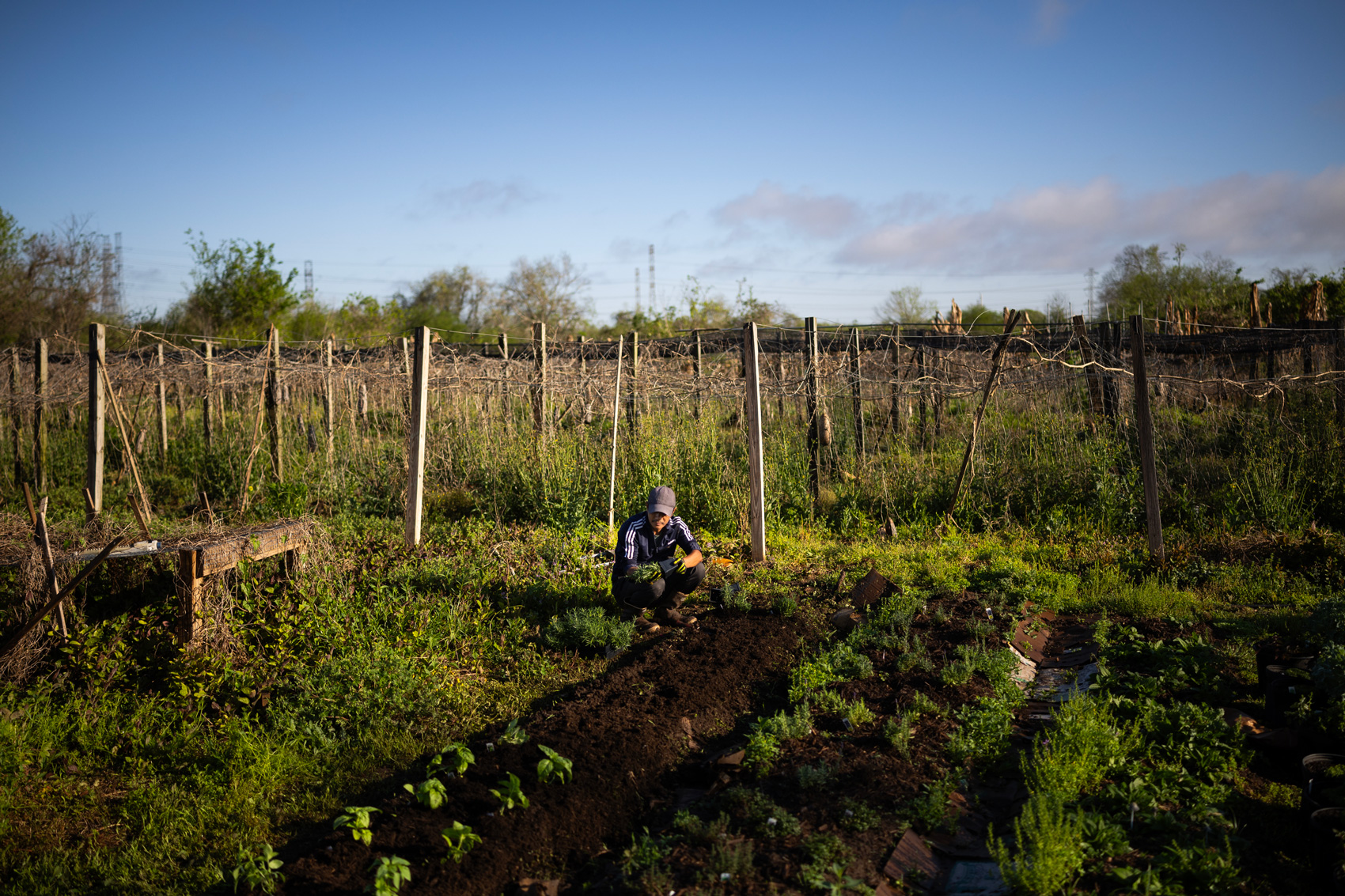
“I want people to be able to use this land, we could cook together, farm together, learn from each other,” Thawng said. “It’d be so cool, I’d love it.”
Finding the land
When Farm Program Director Rachel Lockhart Folkerts began working at Plant It Forward, the organization was focused on training recent refugees – or new Americans as they call them – with the hope that eventually they would be able to start their own farm.
However, over time, the team noticed there aren’t many family farms left in the Houston area – meaning it would be challenging for new farmers to get their own land to cultivate.
“Van Thawng is really an exception when it comes to getting your own land here,” Lockhart Folkerts said. “But we didn’t want to just stop at training. If we can’t find land for them to work on, what have we really done to change the food system and to empower new farmers? That’s not in the spirit of what we do here.”
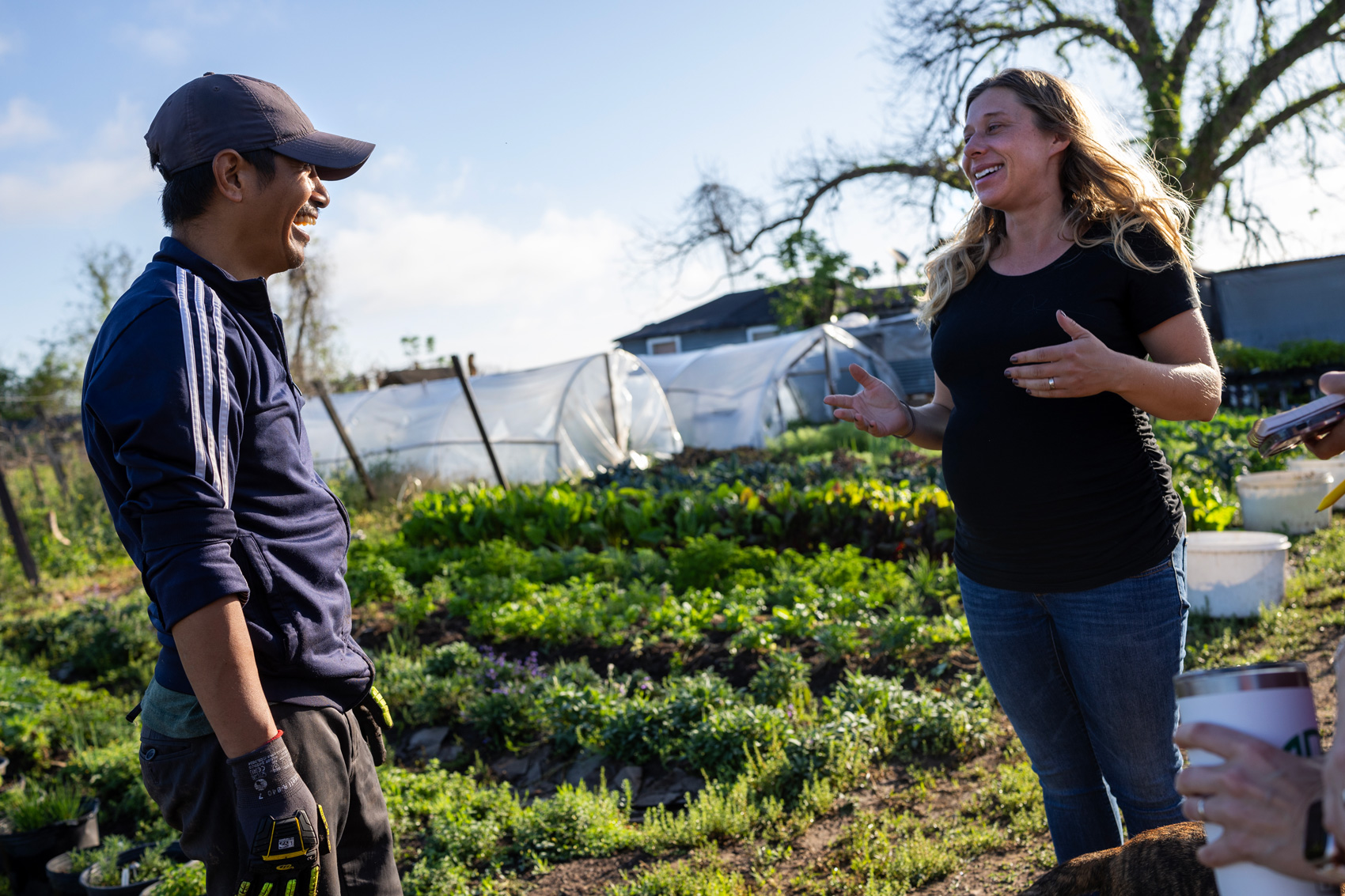
The cooperative – which they decided to call The Commons – would be beneficial for numerous reasons, according to Lockhart Folkerts. She says it’ll be operationally more efficient. The urban sites that the team has been using so far have many more restrictions and water is costly. At one site, called the Fondren Farm, the farmers can’t build or plant any higher than 6 feet because of a utility easement. Another farming site is closing down because the owners, the University of St. Thomas, need the land back to build a new dorm.
Ultimately, the co-op would give the farmers more security because it would be held in a land trust, Lockhart Folkerts said. The apprentices could immediately apply to lease a plot of land at The Commons after graduating. All they need to do is find the land – but that part is proving to be challenging. The land needs to be within a 40-mile radius of Houston. The organization’s partner, Agrarian Trust, will be helping to locate the property in its mission to help family farmers avoid high-cost, insecure leases.
“If you got a piece of land, we’d like to hear from you!” Lockhart Folkerts joked. “But seriously, we do.”
Another challenge the project faces is funding, which had seemed secured until the Trump Administration began terminating grants for programs linked with diversity, equity and inclusion. The USDA grant Agrarian Trust applied for – the Increasing Land, Capital and Market Access Program – is meant to aid underserved producers. The Trust received $12 million for communities all over the United States, with $2 million going to Plant-It-Forward. The 2023 grantees include Indigenous, Black, Latino, refugee farmers and other historically underserved farmers.
To mitigate the effects of a possible termination or reduction of the grant, Plant It Forward is working with Development Director Shellyn Shoenthal to diversify their funding. She doesn’t seem worried. More so excited to work with the team.
“As an organization, this is what we’re charged with,” Shoenthal said. “We want to figure out how to continue this program, find the land, because this is the heart of the organization. I mean without the farmers, without training them, without educating them, Plant It Forward isn’t Plant It Forward. One way or another, we’re going to figure this out.”
Bringing Burma to Houston
Back at the farm, Thawng moves through his crops to a greenhouse on the property. Inside, he has classically Burmese vegetables, including shikakai, green wax flower and a curry leaf that he uses to make a Burmese dish called Burmese Shwe Taung Noodle bowl.
He sells these vegetables to markets in New York, Chicago and Minneapolis for the local Burmese communities.
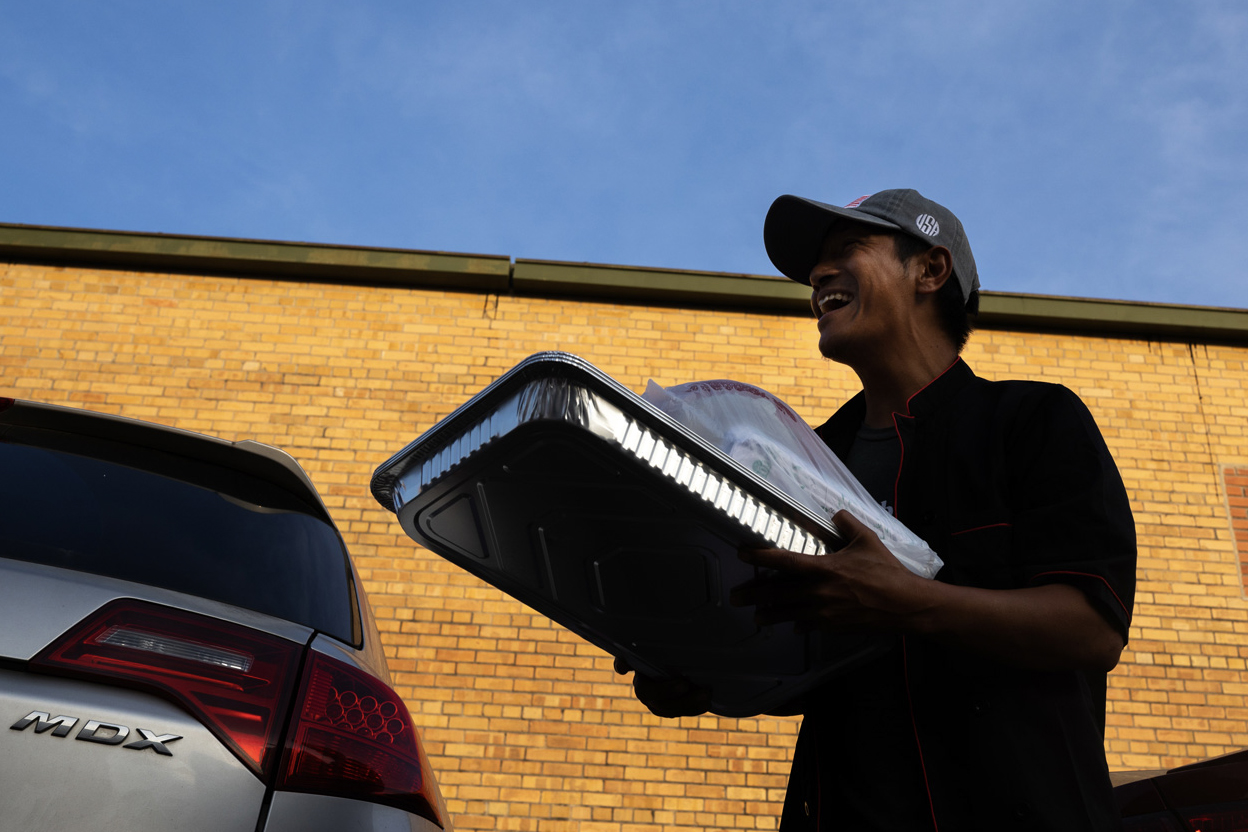
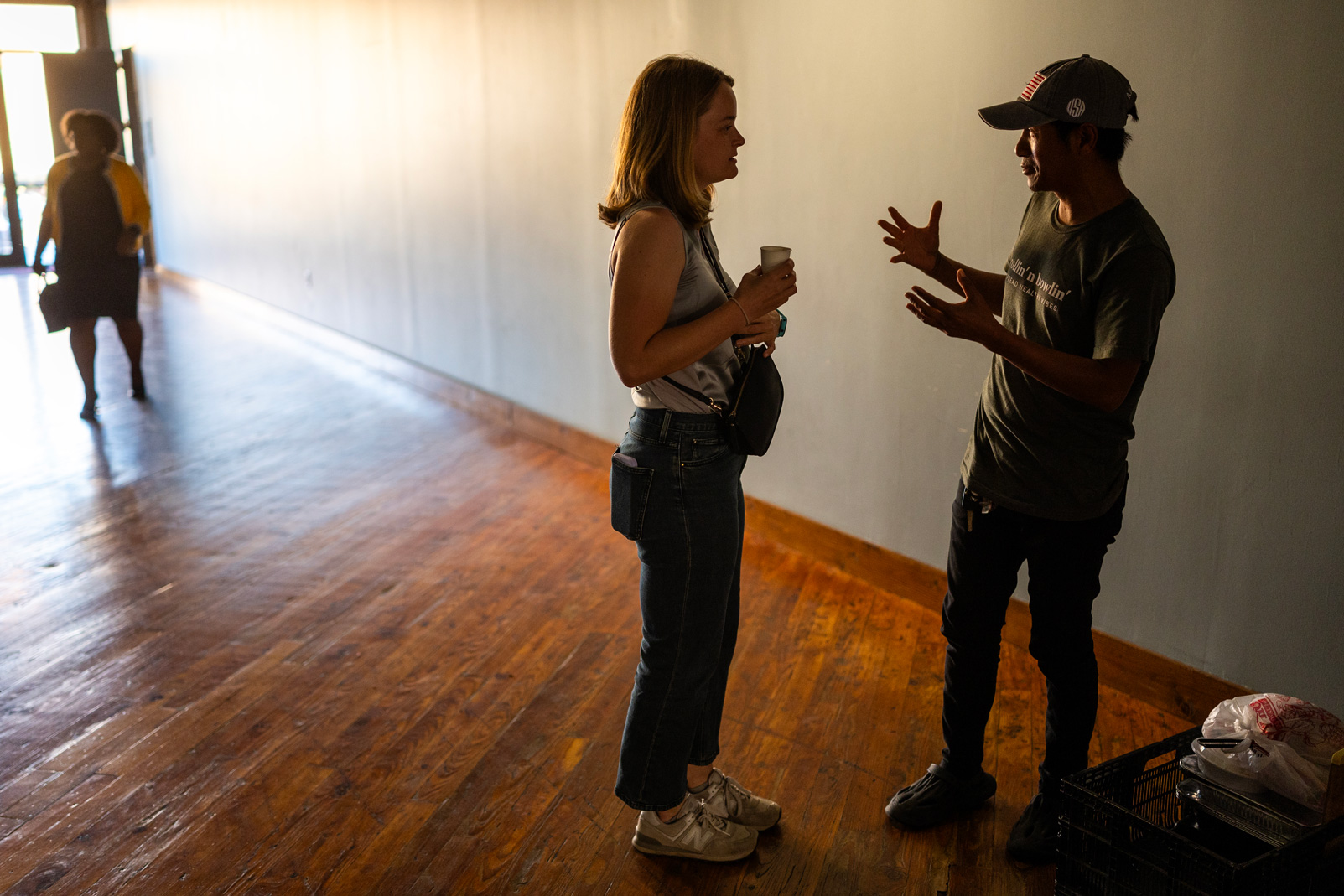
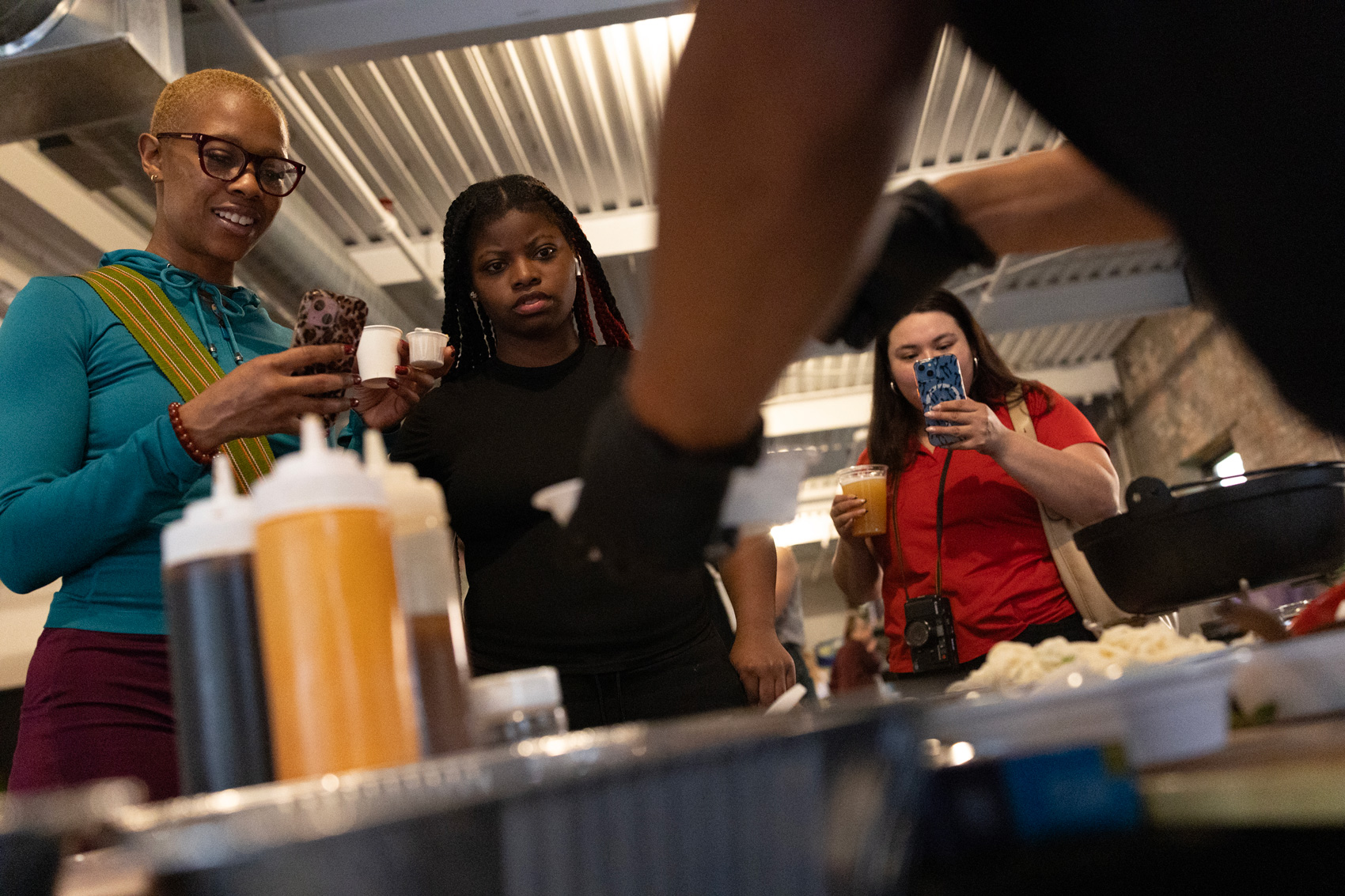
“I have a lot of demand for these vegetables,” Thawng said. “My country people want traditional foods and I’m happy to grow it.”
In 2007, political unrest shook Burma to its core. A Burmese military junta and authoritarian government suspended basic freedoms and violently targeted ethnic minority groups. Because of this, thousands left Burma in the following years.
This included Thawng. He was a criminal lawyer who was outspoken about what he saw as an oppressive regime. He says he eventually had to flee for his life. He first lived as a refugee in Malaysia before moving to Houston in 2012.
In Houston, he settled into different jobs, including aiding refugees at the YMCA International Services and working as an owner of several sushi restaurants across Texas. Eventually, he decided to move into farming. He met Lockhart Folkerts and learned about the opportunity to take the class.
Apprentices are paid about $20 an hour for 20 hours a week, so they are welcome to work other jobs or go to school at the same time. The entire program lasts about a year, with the student embedded on an actual farm during the final six months. Thawng had already bought his property, so he jumped into growing quickly.

Already, he sells at the local farmers market near his farm in Richmond every other weekend and also drives up to Houston for the Urban Harvest farmers market on Saturdays. He ultimately wants to start a CSA program, which means delivering his farm’s fresh produce regularly to customers who sign up for it.
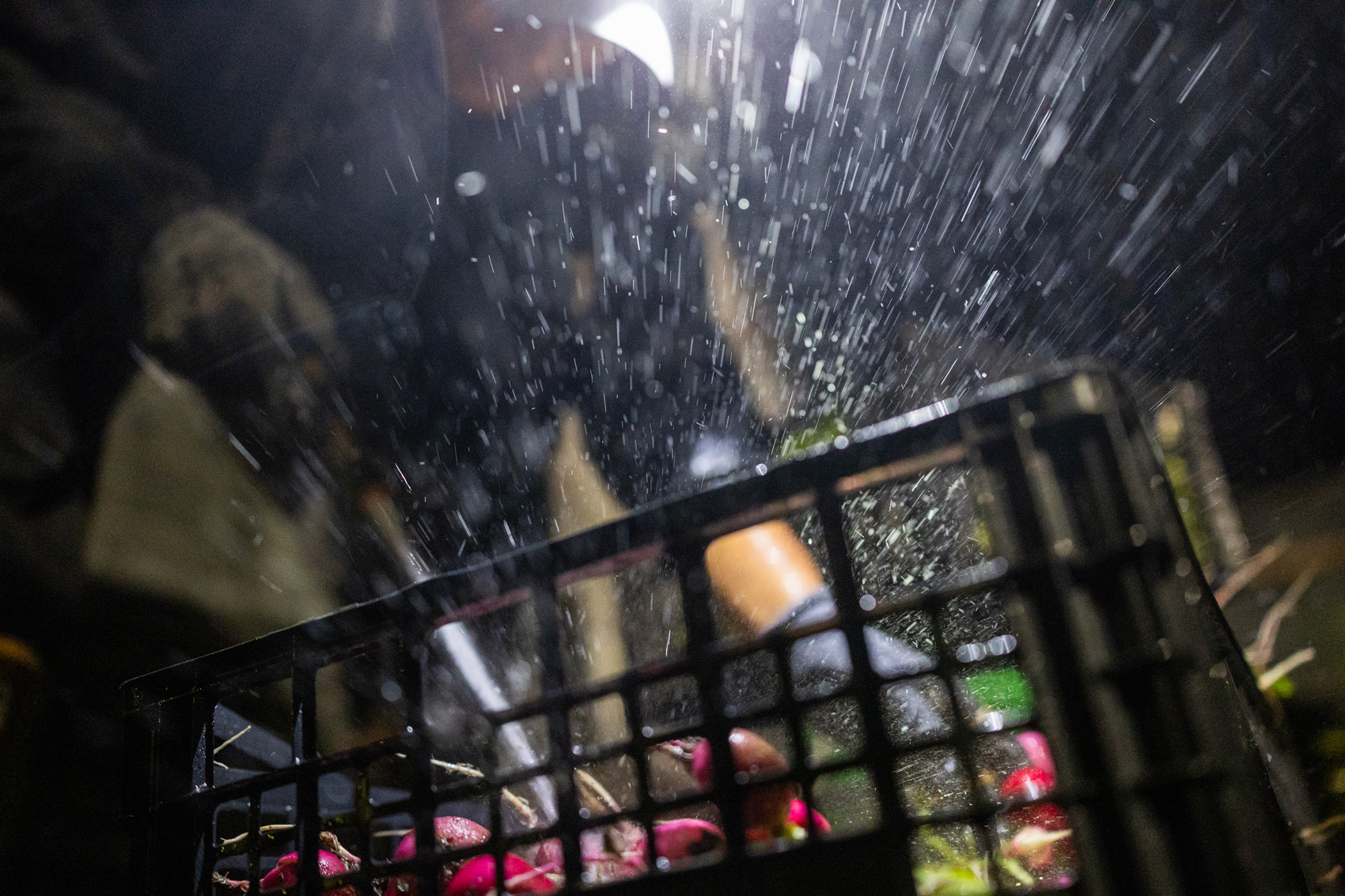
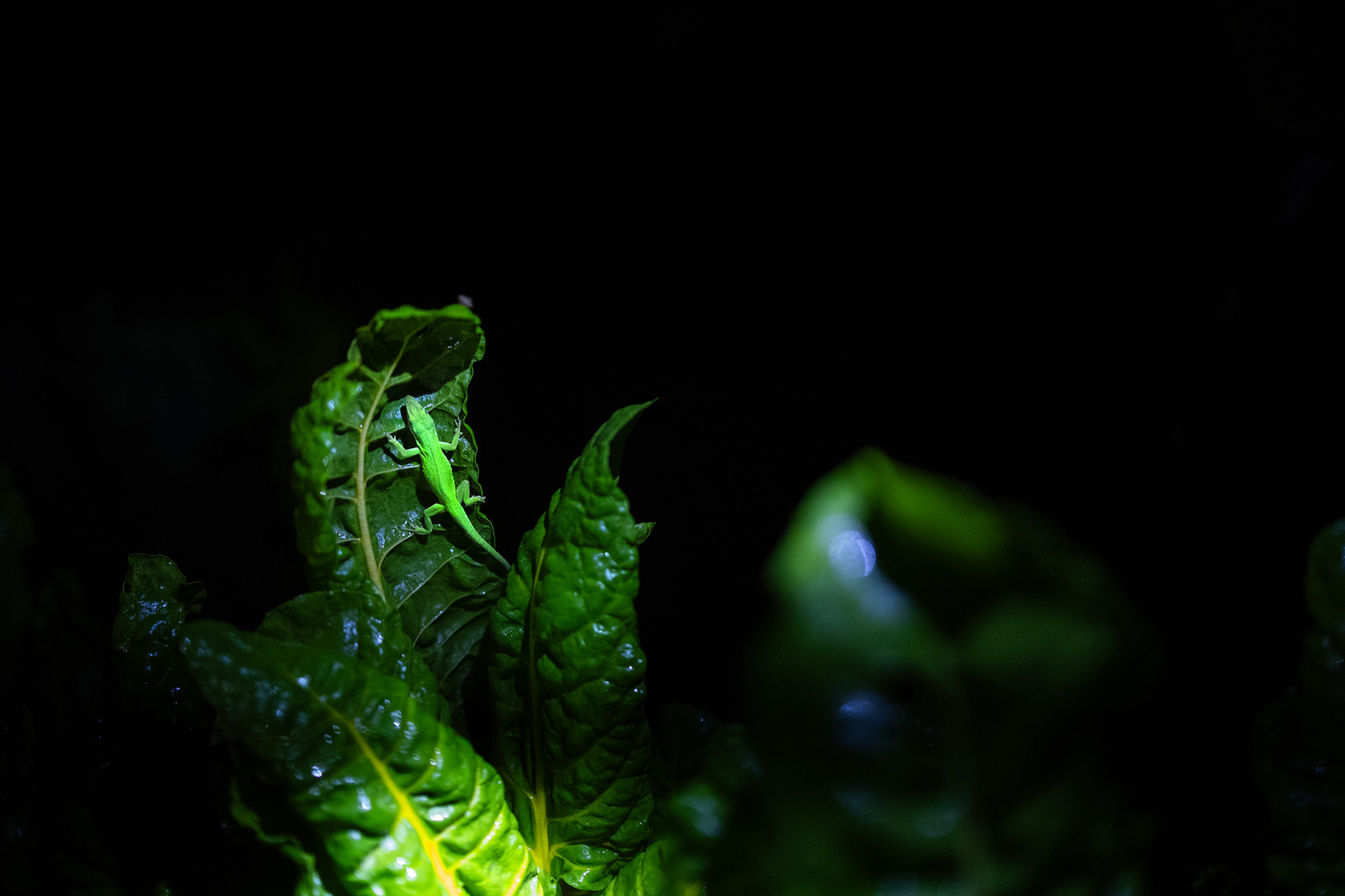

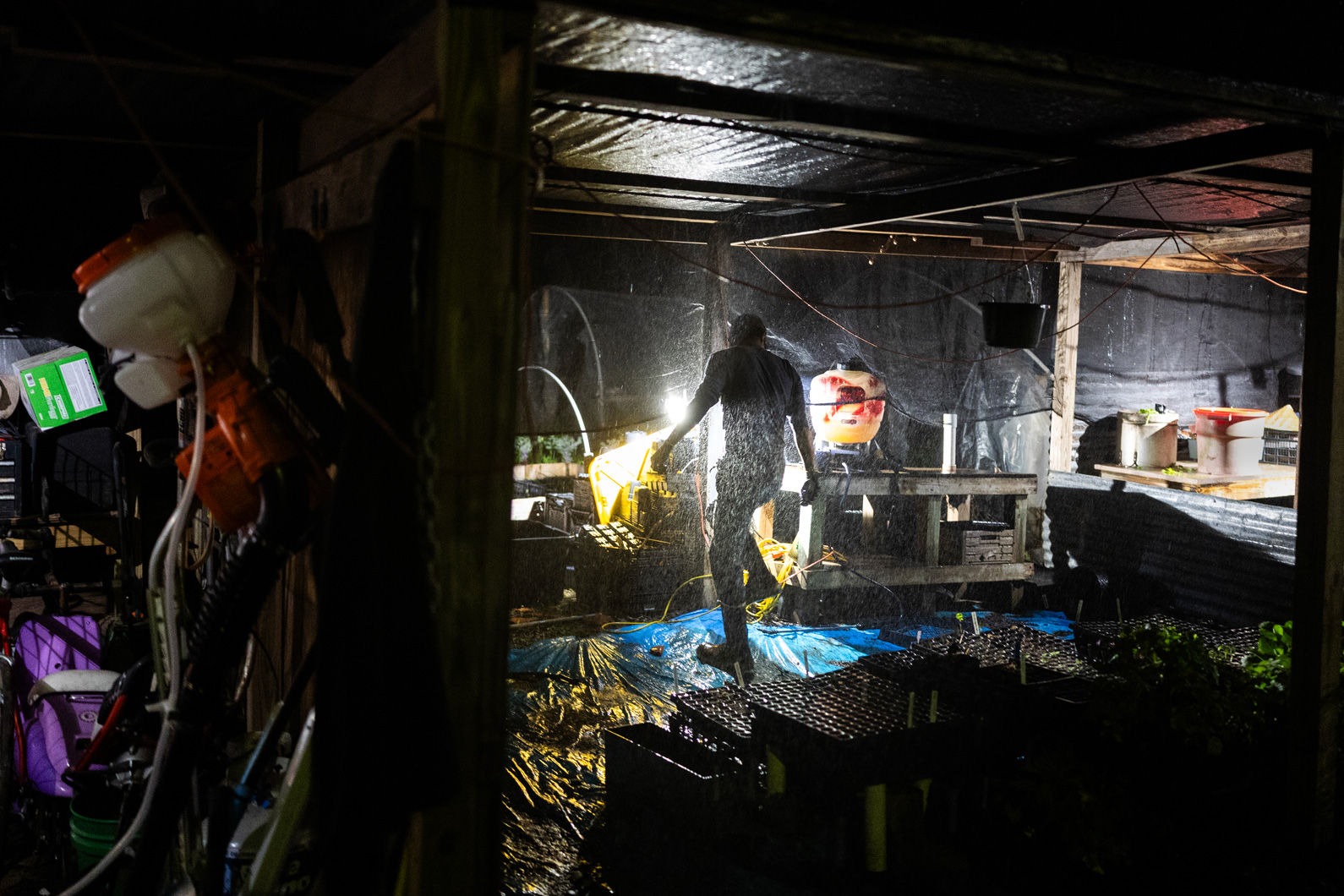
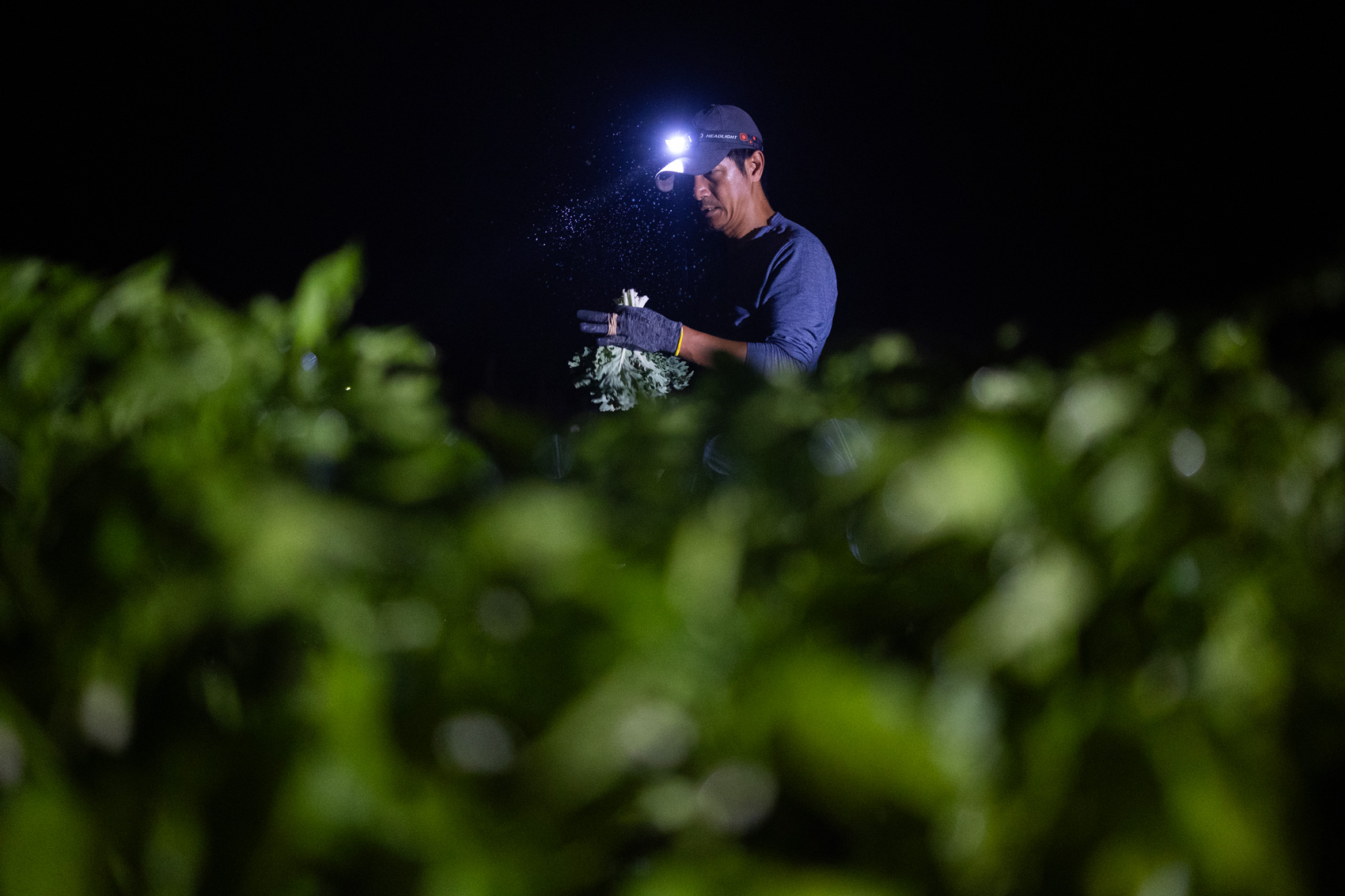
For now, however, he sticks to the farmers’ markets to get his name out there more.

Most recently, on a Saturday in late March, Thawng is up before the sun even rises to get ready for the Urban Harvest market. He collects vegetables from his farm to sell — kale, arugula,cabbage. He and other vendors know each other now, talk about the growing season, their produce and offer each other snacks.
Thawng cheerfully greets everyone who comes by his booth, pointing out what he has for sale and making notes of what he could be adding. A University of Houston student volunteering with Plant It Forward writes out a list of every interaction. Who stops by, what they ask for.
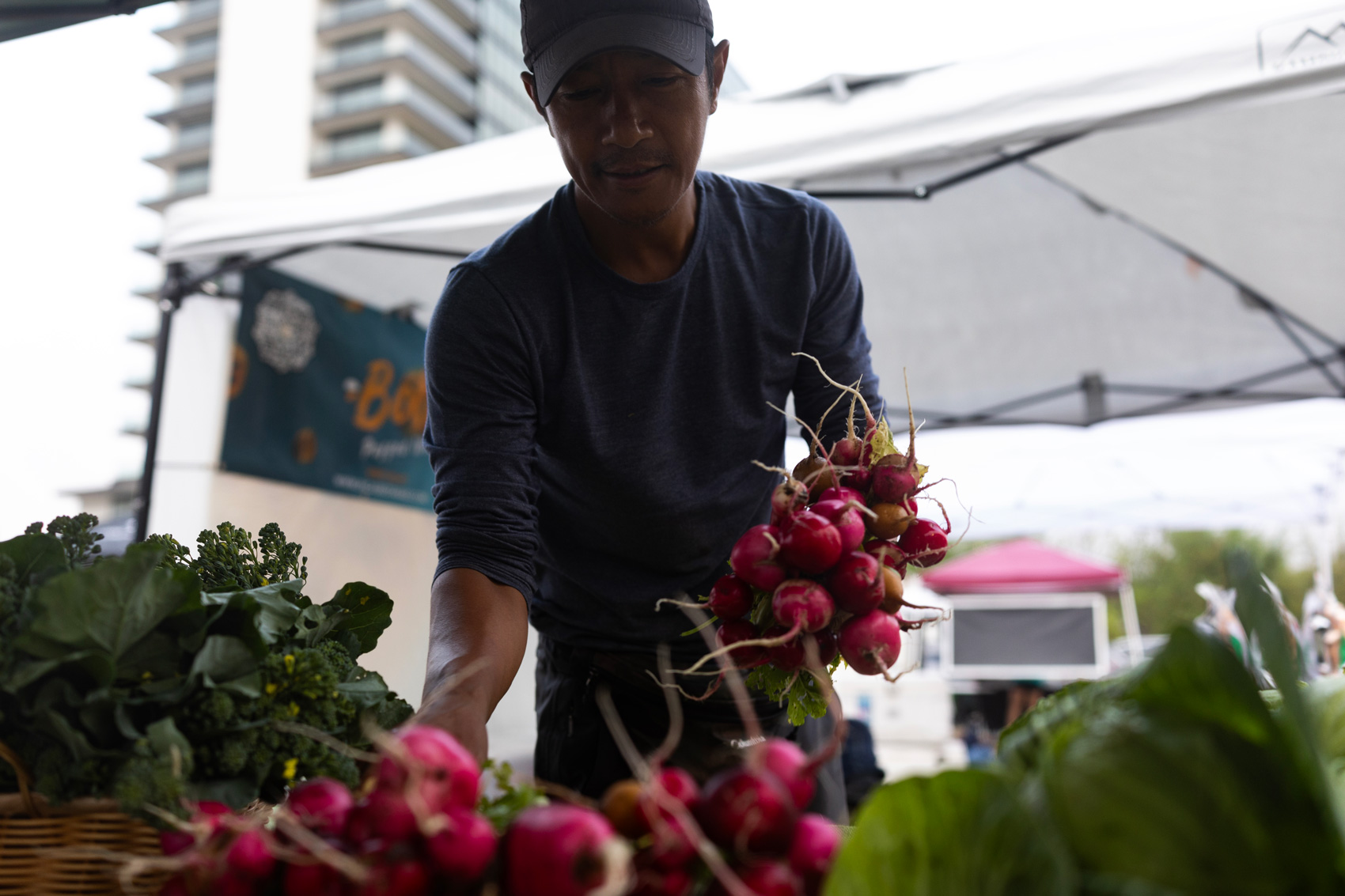
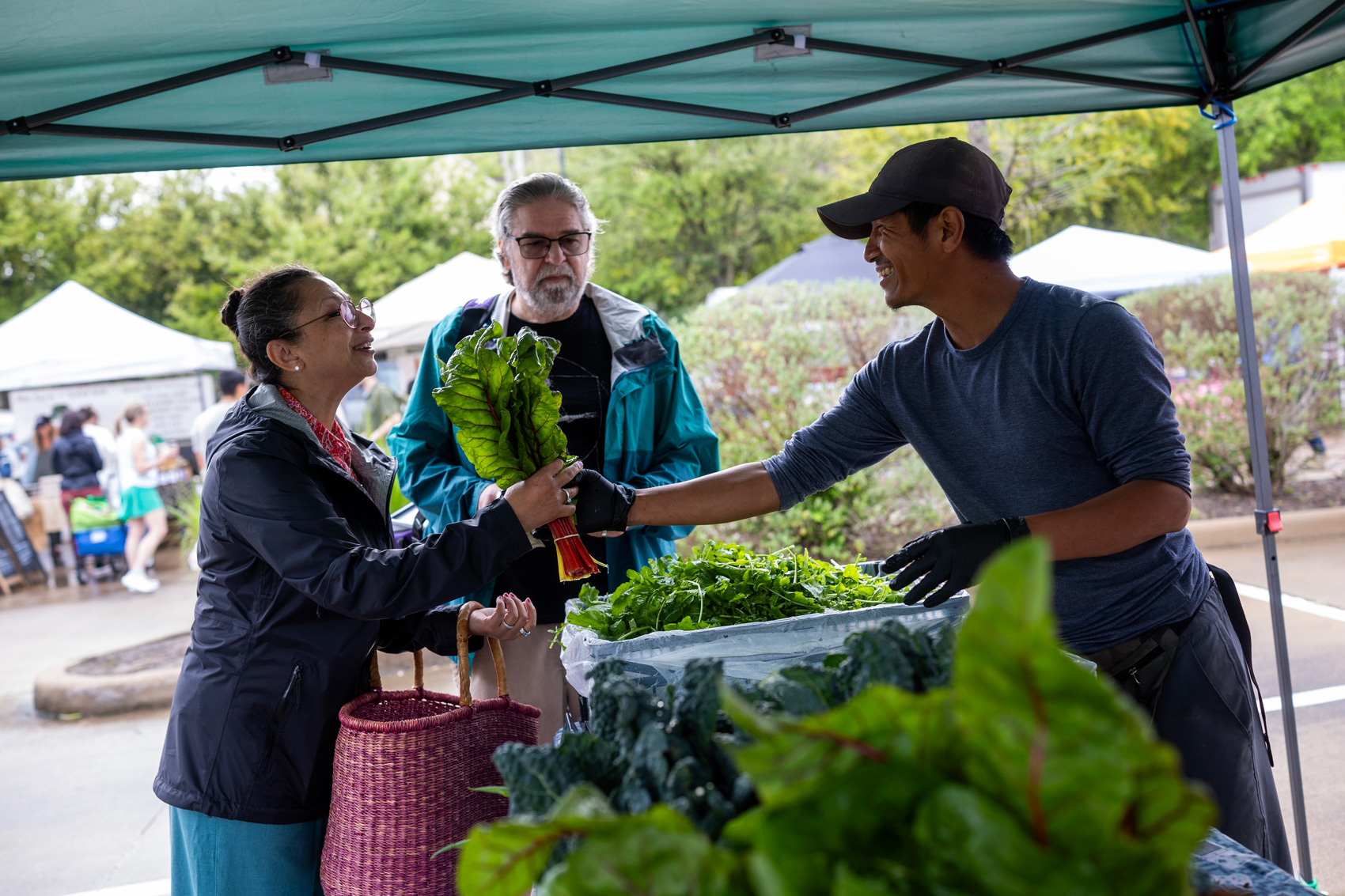

One customer asks if they have garlic. Another pokes at the swiss chard. One man asks if Thawng has any rosemary for sale and Thawng tries to give him a box for free.
The man laughs and gives him a couple of dollars anyway.Thawng puts the money in a jar, smiling.
“It’s a community here,” he said. “Everyone should be able to try something this fresh.”

